




What's Happening?
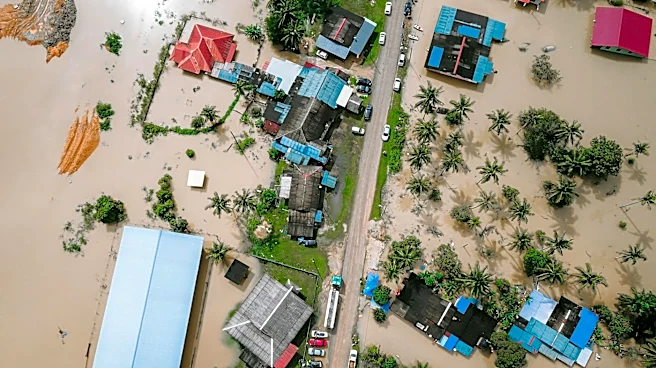
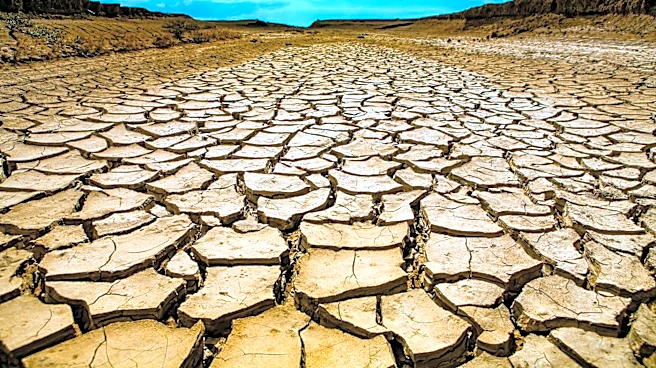
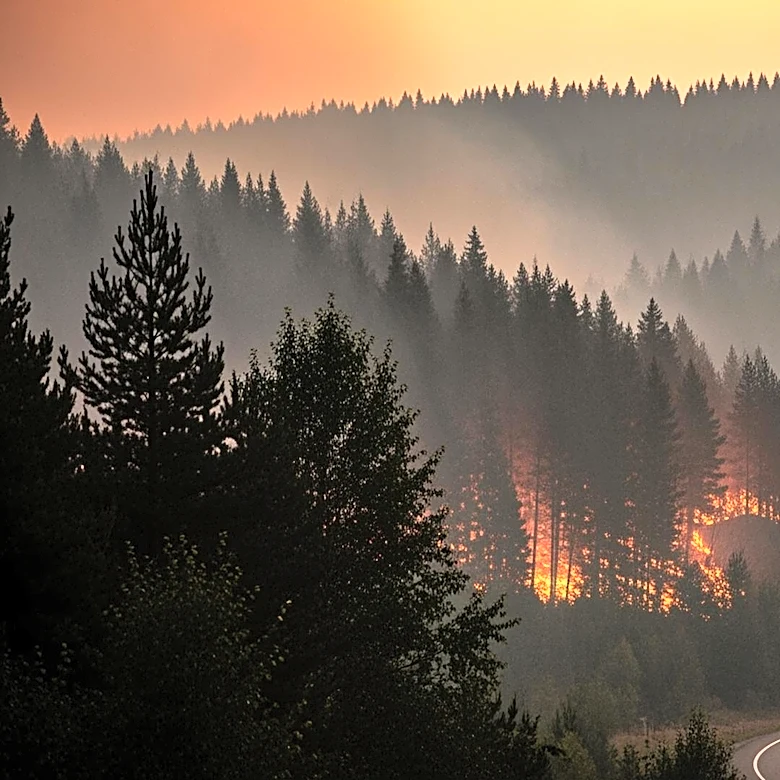
The Philippines is bracing for a potentially strong El Niño event expected to develop between June and August 2026. This climatic phenomenon, characterized by the warming of ocean waters in the east-central tropical Pacific, could lead to extreme weather
conditions such as heat waves, droughts, floods, and wildfires. The anticipated El Niño is drawing comparisons to the catastrophic event of 1877-1878, which resulted in a global famine and significant population losses. Modern advancements in climate monitoring and prediction have improved preparedness, but concerns remain about the potential impacts on global food security, particularly in vulnerable regions.
Why It's Important?
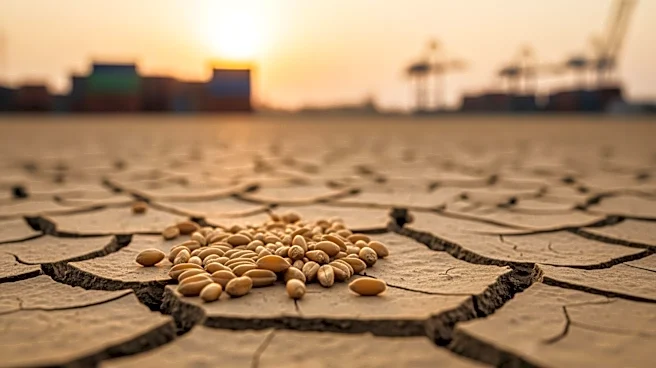
The potential super El Niño poses significant risks to global food security, especially in regions already vulnerable to adverse weather conditions. The 1877-1878 event led to a global famine, highlighting the severe consequences such climatic shifts can have. While modern technology and scientific advancements have improved the ability to predict and prepare for such events, the interconnected nature of global socioeconomic systems means that disruptions in one region can have cascading effects worldwide. Enhanced drought risks could threaten food, water, and economic security, underscoring the need for coordinated international efforts to mitigate these impacts.
What's Next?
As the El Niño event develops, governments and international organizations are likely to increase monitoring and preparedness efforts. This includes enhancing early warning systems and developing strategies to mitigate potential impacts on agriculture and food supply chains. Stakeholders may also focus on strengthening resilience in vulnerable regions through infrastructure improvements and policy measures. The situation will require ongoing assessment and adaptation to address the evolving challenges posed by the climatic phenomenon.
Beyond the Headlines
The potential super El Niño highlights broader issues related to climate change and the need for sustainable practices. The historical context of the 1877-1878 event underscores the importance of understanding the social, political, and economic factors that can exacerbate the effects of natural disasters. As climate patterns become more unpredictable, there is a growing need for global cooperation and investment in climate resilience to protect communities and ecosystems from future threats.