




What's Happening?
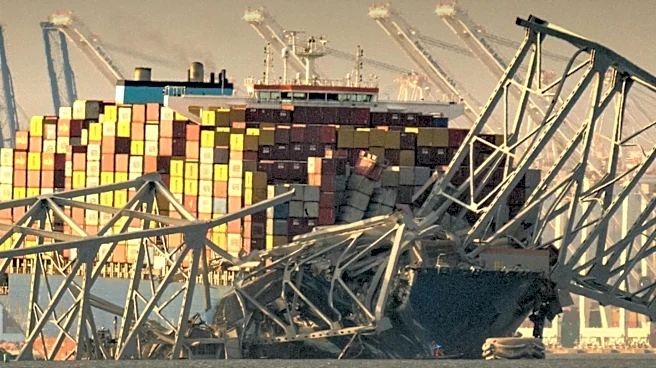
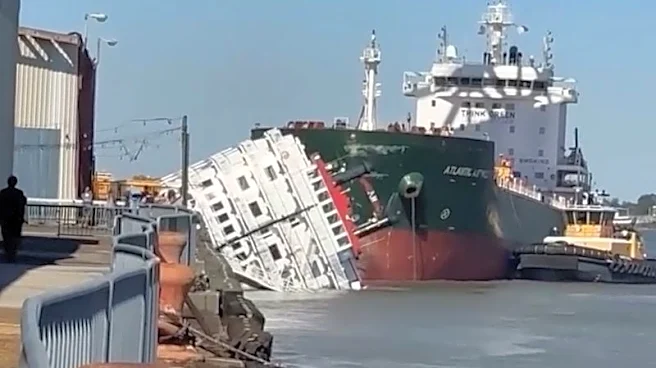
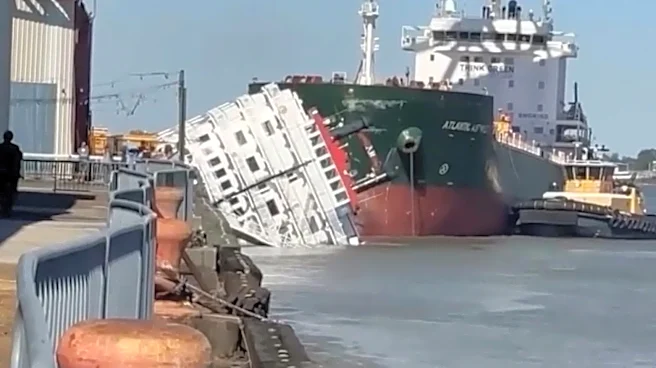
Recent incidents, including a docked cruise ship sinking in New Orleans, an Outlook outage, and an FAA ground stop, have drawn attention to the increasing complexity and potential unreliability of modern technology. While these events appear unrelated,
they share common factors: reliance on complex computer systems and human involvement. The exact cause of the oil tanker ramming the cruise ship is unknown, but computer systems are integral to ship operations. The Outlook outage and FAA ground stop were direct results of computer technology failures. The inherent complexity of these systems, with vast amounts of code and numerous modules, makes it difficult for any single individual to fully comprehend their inner workings, leading to challenges in maintenance and troubleshooting.
Why It's Important?
The growing reliance on highly complex technological systems across critical infrastructure, from transportation to communication, means that failures can have widespread and significant consequences. The cost of breakdowns, as demonstrated by these incidents, extends far beyond simple repairs, impacting economic activity, public safety, and daily life. The increasing sophistication of technology also creates a dependency on specialized tools and knowledge, making it harder for individuals to understand or fix issues. This trend highlights a critical vulnerability in modern society: as technology becomes more pervasive and intricate, the need for its reliability grows exponentially, yet the human element in its design, implementation, and maintenance remains a significant variable.
What's Next?
The incidents underscore the urgent need for enhanced reliability in technological systems and a re-evaluation of how human factors contribute to their vulnerabilities. Future developments may include increased investment in robust system design, more rigorous testing protocols, and advanced diagnostic tools to identify and prevent failures. There may also be a greater focus on training and human oversight to mitigate the risks associated with human error in managing complex technology. The ongoing evolution of artificial intelligence further complicates this landscape, as the interaction between human decision-making and autonomous systems will require careful consideration to ensure safety and stability.
Beyond the Headlines
These events prompt a deeper reflection on the societal implications of our increasing dependence on technology. The narrative suggests that while technology aims to make life 'easier,' it can inadvertently lead to complacency and a diminished understanding of underlying systems. This raises ethical questions about the balance between technological advancement and human responsibility. The long-term shift could involve a re-evaluation of educational priorities, emphasizing not just technological literacy but also critical thinking and problem-solving skills to navigate an increasingly complex and interconnected world. The incidents also highlight a potential cultural shift where the perceived infallibility of technology is challenged by real-world failures, leading to a more nuanced understanding of its limitations.