






What's Happening?
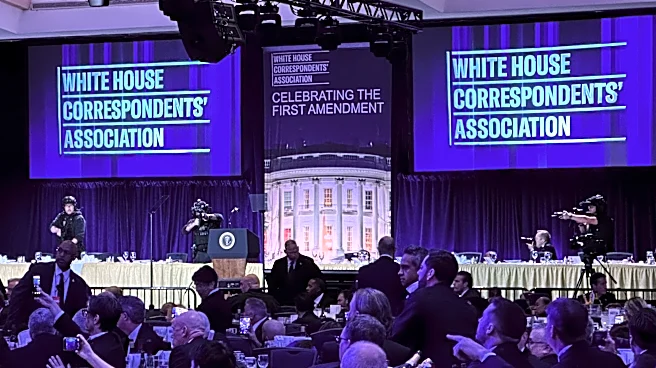
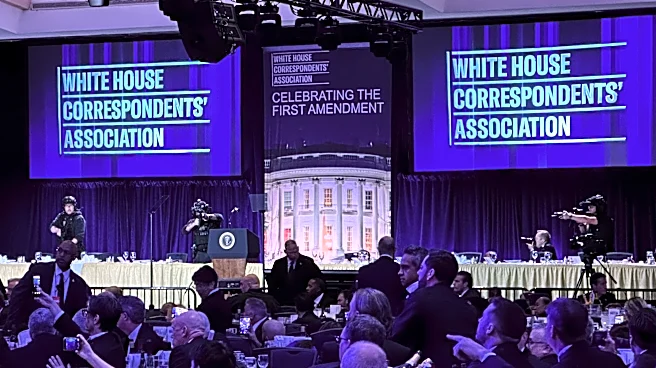
The Justice Department has requested a federal judge to lift an order halting President Trump's planned $400 million ballroom project. This request follows an incident at the White House Correspondents' Association dinner, where an attempted assassination
was thwarted. The administration argues that the new ballroom would enhance security and prevent such threats. The National Trust for Historic Preservation, which filed a lawsuit against the project, argues that the president lacks the authority to unilaterally alter the White House. The Trust maintains that their challenge is not about national security but about executive overreach. The case is currently under consideration by an appeals court, which has stayed the initial order halting construction.
Why It's Important?
This development underscores the ongoing debate over presidential authority and the balance between security and preservation of historic sites. The ballroom project, if approved, could set a precedent for future executive actions regarding modifications to national landmarks. The incident at the correspondents' dinner has intensified discussions about the security needs of the presidency, potentially influencing public opinion and legislative priorities. The outcome of this legal battle could impact how security measures are implemented at the White House and other federal properties, affecting stakeholders in government, preservation groups, and the public.
What's Next?
The appeals court's decision will be pivotal in determining the future of the ballroom project. If the court sides with the administration, construction could resume, potentially leading to further legal challenges from preservationists. Conversely, if the court upholds the halt, it may prompt the administration to seek congressional approval or explore alternative security measures. The case may also influence future legislative discussions on the scope of executive power and the preservation of historic sites.