
What's Happening?
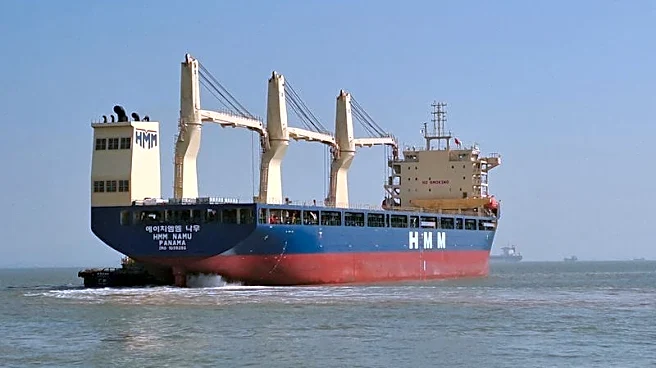
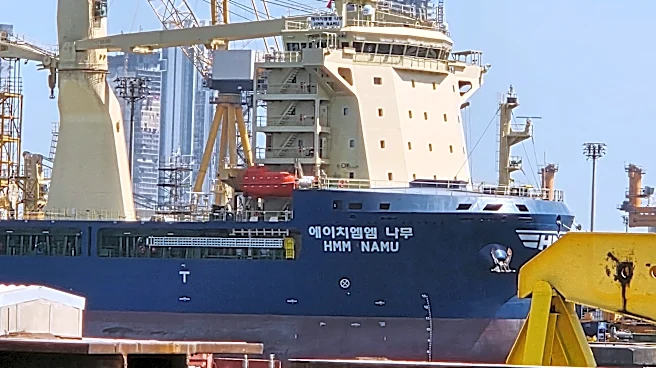
South Korea is evaluating a phased approach to contribute to the security of the Strait of Hormuz, as announced by Defense Minister Ahn Gyu-back. This decision comes in the wake of an attack on a South Korean-flagged
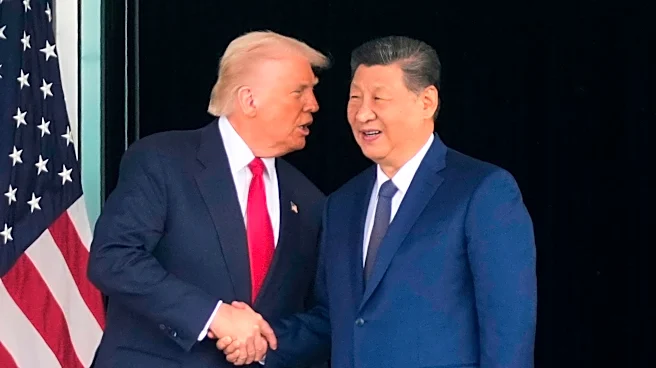
vessel near the strait. During a press conference in Washington, Ahn stated that South Korea aims to participate as a responsible international community member, potentially through political support, personnel dispatches, information-sharing, and military asset provision. However, no detailed discussions have occurred regarding expanding military involvement. The meeting with U.S. Secretary of Defense Pete Hegseth highlighted the expectation for allies to stand united against global threats, with President Trump's Operation Epic Fury cited as a demonstration of U.S. resolve. The discussions also covered the conditions-based transfer of wartime operational control from the U.S. to South Korea and other alliance issues, including nuclear-powered submarine plans.
Why It's Important?
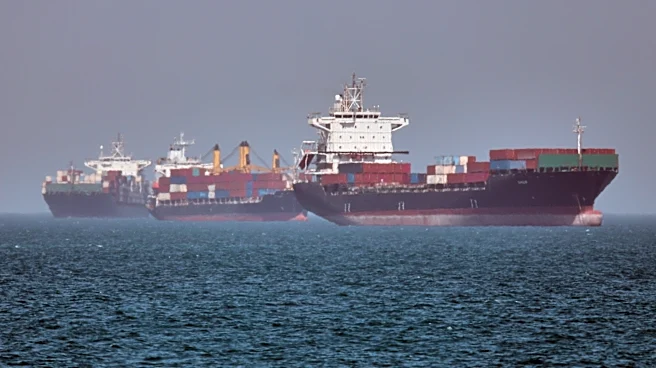
The potential involvement of South Korea in the Strait of Hormuz mission underscores the strategic importance of the region for global oil transportation and international security. South Korea's decision to consider a phased role reflects its commitment to international security and alliance burden-sharing, which could strengthen its diplomatic ties with the U.S. and other allies. The attack on the South Korean vessel highlights the ongoing risks in the region, emphasizing the need for coordinated international efforts to ensure safe navigation. This development could influence South Korea's defense policies and spending, impacting its military strategy and regional security dynamics.
What's Next?
South Korea's next steps will likely involve further discussions with international partners to define its role in the Hormuz mission. Any decision to expand military involvement will require domestic legal procedures and political consensus. The ongoing investigation into the vessel attack may also influence South Korea's strategic decisions. Additionally, the dialogue on wartime operational control transfer and nuclear-powered submarine plans will continue to shape the U.S.-South Korea alliance, potentially affecting regional military balance and strategic planning.