





What's Happening?
The Peace Corps Eastern Caribbean recently celebrated its 65th anniversary in partnership with Saint Lucia, marked by a commemorative event at the Delcer Combined School in Choiseul. Chargé d’Affaires Karin Sullivan launched the celebrations, acknowledging
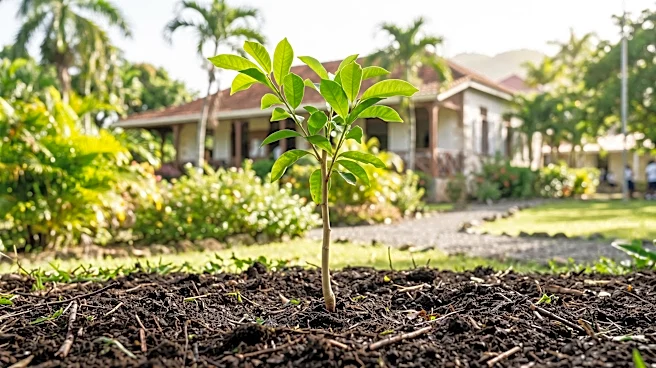
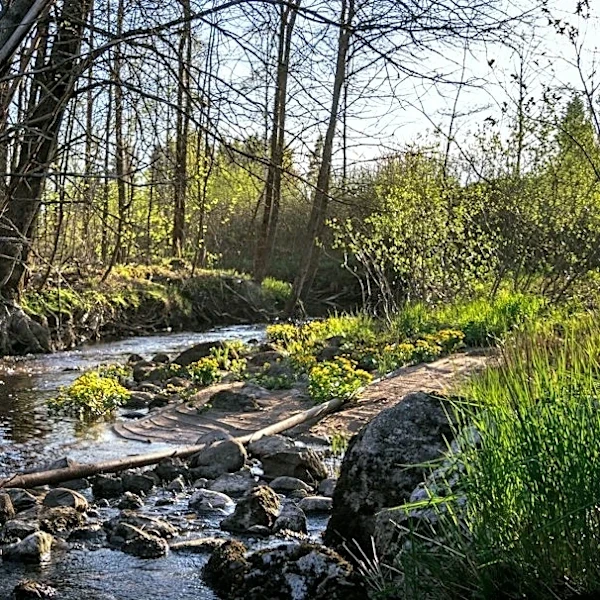
one of the Peace Corps' initial volunteer projects in Saint Lucia: the historic JFK Canal, established in the early 1960s in collaboration with the Ministry of Agriculture. This project significantly contributed to agricultural development in the southern region of the island. The anniversary, themed 'Honouring the Past, Marching into the Future,' emphasized the canal's enduring importance to the Choiseul community. As a symbolic gesture, fruit trees were planted on the school grounds, representing the Peace Corps' legacy of partnership, sustainability, and long-term community impact. These trees are supported by the same watershed that once fed the JFK Canal, further reinforcing the historical connection. Saint Lucia was among the first three countries to host Peace Corps Volunteers when the program began in 1961, and since then, over 4,372 volunteers have served across the Eastern Caribbean. Currently, 44 Americans are serving communities in Saint Lucia, Dominica, Grenada, and St. Vincent and the Grenadines, focusing on advancing English literacy at the primary level and fostering cultural exchange.
Why It's Important?
The 65th anniversary celebration underscores the enduring commitment of the United States to international development and community partnership through the Peace Corps. The focus on agricultural development, exemplified by the JFK Canal project, highlights the long-term impact of such initiatives on food security and economic stability in host nations. For the Eastern Caribbean, particularly Saint Lucia, the Peace Corps' presence has fostered educational advancements, cultural exchange, and sustainable development practices over decades. The continued deployment of volunteers in education and other sectors demonstrates a sustained effort to build local capacity and strengthen bilateral ties. This long-standing collaboration also serves as a model for international cooperation, showcasing how targeted volunteer efforts can lead to tangible improvements in quality of life and community resilience. The planting of fruit trees as living tributes symbolizes the organic and lasting growth that can result from sustained international partnerships, benefiting future generations through both environmental and economic contributions.
What's Next?
The Peace Corps is expected to continue its operations in the Eastern Caribbean, maintaining its focus on education, community economic development, and environmental initiatives. The ongoing presence of 44 American volunteers in Saint Lucia, Dominica, Grenada, and St. Vincent and the Grenadines suggests a sustained commitment to these regions. Future efforts will likely build upon existing programs, particularly in advancing English literacy and promoting cultural exchange, as these are current priorities. The symbolic tree planting at the Delcer Combined School could inspire further community-led environmental projects, reinforcing themes of sustainability and local resource management. The Peace Corps may also seek to expand its volunteer base and program offerings in response to evolving needs identified by partner governments and communities in the Eastern Caribbean. Continued collaboration with local ministries, such as the Ministry of Education and the Ministry of Agriculture, will be crucial for the successful implementation and long-term impact of future projects.
Beyond the Headlines
The Peace Corps' 65-year presence in the Eastern Caribbean reflects a deeper commitment to fostering global understanding and mutual respect, extending beyond immediate development goals. The longevity of programs like the JFK Canal project illustrates the potential for sustained international aid to create foundational infrastructure that continues to benefit communities decades later. This enduring partnership also highlights the soft power of diplomacy, where person-to-person interactions by volunteers build lasting bridges between nations and cultures. The emphasis on agricultural development and education addresses fundamental human needs, contributing to long-term stability and reducing vulnerabilities in developing regions. Furthermore, the Peace Corps experience often profoundly impacts the American volunteers themselves, fostering a generation of globally aware citizens who bring diverse perspectives back to the United States, enriching its own societal fabric and foreign policy discourse. This reciprocal benefit underscores the multifaceted value of such international service initiatives.