



What's Happening?
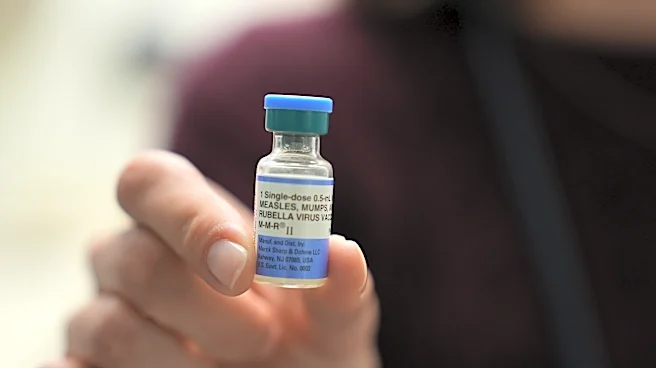
Pediatricians are actively encouraging parents to ensure their children are up to date on vaccinations as the new school year approaches. This push comes in response to a noticeable increase in vaccine-preventable diseases, such as measles. Medical professionals
are observing a concerning trend where these diseases, once largely controlled through widespread vaccination efforts, are re-emerging. The medical community emphasizes the critical role of vaccinations in safeguarding public health, particularly among school-aged children who are more susceptible to contracting and spreading infectious diseases in close-contact environments like classrooms. The call to action from pediatricians aims to mitigate further outbreaks and protect the broader community from the resurgence of these illnesses. Parents are advised to consult with their pediatricians to review their children's vaccination records and schedule any necessary immunizations before students return to school.
Why It's Important?
The resurgence of vaccine-preventable diseases carries significant implications for public health and the U.S. healthcare system. A spike in diseases like measles can lead to increased hospitalizations, strain healthcare resources, and potentially result in severe health complications, especially for vulnerable populations such as infants, the elderly, and individuals with compromised immune systems. Economically, outbreaks can disrupt school attendance, leading to lost instructional time for students and productivity losses for parents who may need to take time off work to care for sick children. Furthermore, managing outbreaks requires substantial public health resources for contact tracing, testing, and treatment, diverting funds and personnel from other essential health initiatives. The collective immunity provided by high vaccination rates, known as herd immunity, is crucial in preventing the spread of these diseases, and any decline in vaccination coverage weakens this protective barrier, making communities more vulnerable.
What's Next?
In response to the pediatricians' call, public health campaigns are likely to intensify, focusing on educating parents about the importance of childhood vaccinations and addressing any misinformation. Schools and local health departments may implement stricter vaccination requirements or offer vaccination clinics to facilitate access for families. Healthcare providers will continue to monitor disease trends closely, and if outbreaks escalate, more stringent public health measures, such as temporary school closures or isolation protocols, could be considered to contain the spread. The emphasis will be on proactive measures to boost vaccination rates, ensuring that communities are adequately protected against preventable diseases. Parents are expected to engage with their healthcare providers to ensure their children's vaccination schedules are current, contributing to a healthier and safer school environment for all students.
Beyond the Headlines
The current push for vaccinations highlights a broader societal challenge concerning public trust in medical science and the impact of misinformation on public health. The re-emergence of diseases like measles underscores the fragility of public health achievements and the continuous need for vigilance. This situation also brings to light the ethical considerations surrounding individual autonomy versus collective responsibility in public health. While individuals have the right to make healthcare decisions, those decisions can have far-reaching consequences for community health, particularly for those who cannot be vaccinated due to age or medical conditions. The long-term implications could include a re-evaluation of public health communication strategies, increased investment in vaccine education, and potentially, policy discussions around vaccine mandates to protect the most vulnerable members of society and maintain herd immunity.