






What's Happening?
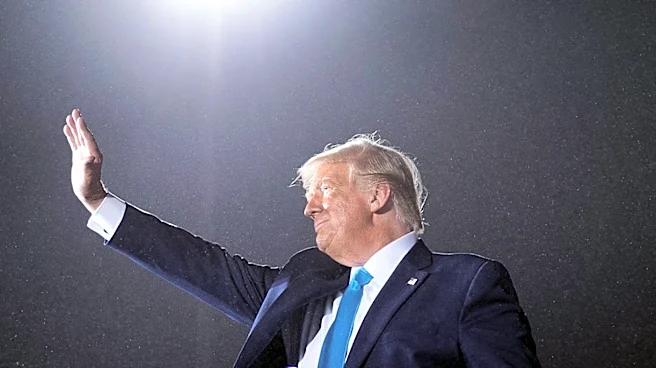
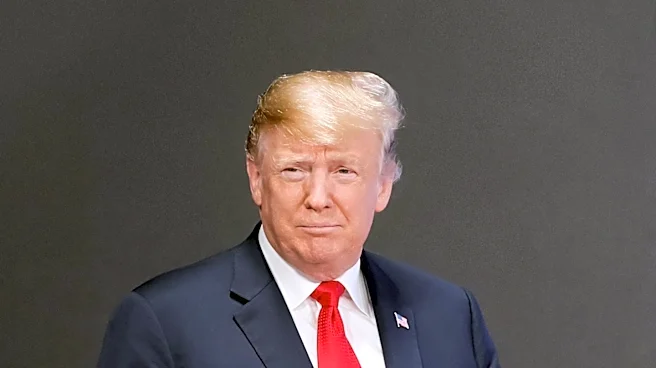
President Trump recently delivered a speech addressing the 2020 election, focusing on alleged election fraud and foreign interference. The speech, however, did not present new evidence to substantiate claims that the election was stolen. The White House
released datasets on election infrastructure, Chinese meddling, and voter registration issues, but these did not prove any votes were changed or fraudulent ballots counted. The administration's narrative suggests a cover-up by intelligence agencies, but investigations and document releases have not supported these claims. The speech is part of a broader strategy to politicize intelligence and question the integrity of the election process.
Why It's Important?
The ongoing narrative of election fraud and foreign interference has significant implications for U.S. politics and public trust in democratic processes. By continuing to question the legitimacy of the 2020 election, the administration risks undermining confidence in future elections and the institutions that oversee them. This could lead to increased polarization and challenges in implementing election reforms. The politicization of intelligence agencies may also affect their ability to function effectively, potentially compromising national security and the integrity of intelligence assessments.
What's Next?
The administration's actions may lead to further investigations and potential legal challenges. There is a possibility of increased scrutiny on intelligence agencies and their handling of election-related information. The narrative may also influence upcoming elections, with potential impacts on voter turnout and public perception of election integrity. The administration's focus on election security could result in policy changes or legislative proposals aimed at addressing perceived vulnerabilities.