



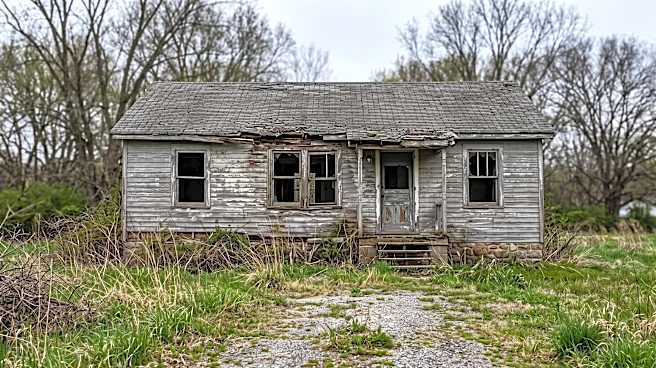



What's Happening?
Naperville Preservation Inc. is urging the Naperville City Council to support and formally review its 'Progress Through Preservation' plan, which advocates for expanding the city's historic preservation efforts. A study conducted by the nonprofit earlier
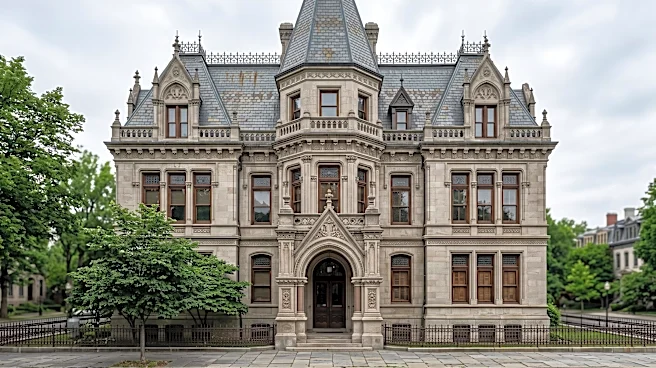
this year revealed that Naperville lags behind comparable communities in preserving its historic structures, with only six landmarked buildings compared to dozens or hundreds in other cities like Evanston, Aurora, and St. Charles. The report, shared with city staff and council members in the spring, recommends increasing staffing resources and training for historic preservation, suggesting at least one full-time city employee dedicate 50% of their time to the topic, up from the current 15% of an assistant planner's time. Other recommendations include creating financial incentives for preserving older structures and increasing penalties for demolishing neglected buildings. Naperville Preservation President Bill Simon expressed disappointment over a city manager's memo indicating it would take at least 18 months to reassess staff workload for increased historic preservation capacity.
Why It's Important?
The push for a more robust historic preservation plan in Naperville is crucial for maintaining the city's unique character and cultural heritage. A lack of landmarked buildings and dedicated resources can lead to the demolition of historically significant structures, resulting in an irreversible loss of architectural and cultural assets. This initiative highlights a growing awareness among community advocates about the economic and social benefits of preservation, including heritage tourism, property value stability in historic districts, and a stronger sense of community identity. The proposed increase in staffing and training underscores the need for specialized expertise and dedicated resources to effectively manage preservation efforts. The city council's decision will reflect its commitment to balancing modern development with the protection of its past, impacting future urban planning and the overall aesthetic and historical fabric of Naperville.
What's Next?
Naperville Preservation Inc. plans to formally request the city council's serious consideration of their plan and direct the Historic Preservation Commission to officially review it. While the city plans to add three new full-time employees to the Transportation, Engineering and Development (TED) department next year, none are specifically for historic preservation, and a reassessment of workload for increased capacity is projected to take at least 18 months. The nonprofit also suggests training for staff and commission members through the National Alliance of Preservation Commissions. The council will need to decide whether to prioritize these recommendations, potentially leading to policy changes, increased funding, or a more structured approach to historic preservation in Naperville. Council members Benny White and Patrick Kelly have already signaled interest in increasing staffing levels for historic preservation, indicating potential support for the initiative.
Beyond the Headlines
The debate over historic preservation in Naperville reflects a broader national challenge faced by many growing cities: how to balance economic development and modernization with the protection of cultural heritage. The 'Progress Through Preservation' plan touches upon ethical considerations regarding the stewardship of historical assets for future generations. Legally, stronger preservation ordinances and financial incentives could provide new frameworks for property owners and developers. Culturally, the loss of historic buildings can erode a community's unique identity and narrative, making preservation efforts vital for maintaining a sense of place. The resistance to immediately increasing dedicated staff time highlights the common bureaucratic hurdles and resource allocation challenges within municipal governments. This situation underscores the ongoing tension between advocacy groups pushing for specific community benefits and city administrations managing complex budgets and competing priorities, ultimately shaping the long-term character and legacy of urban environments.