



What's Happening?
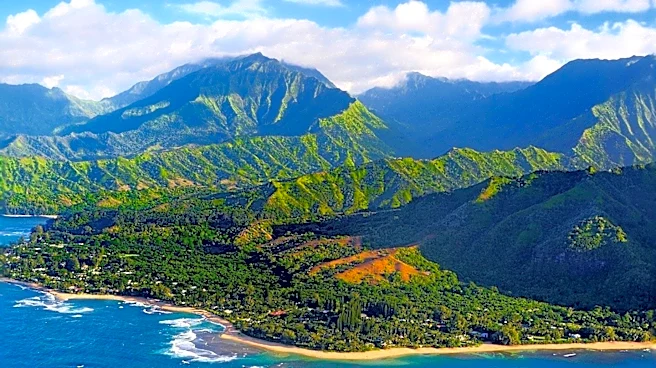
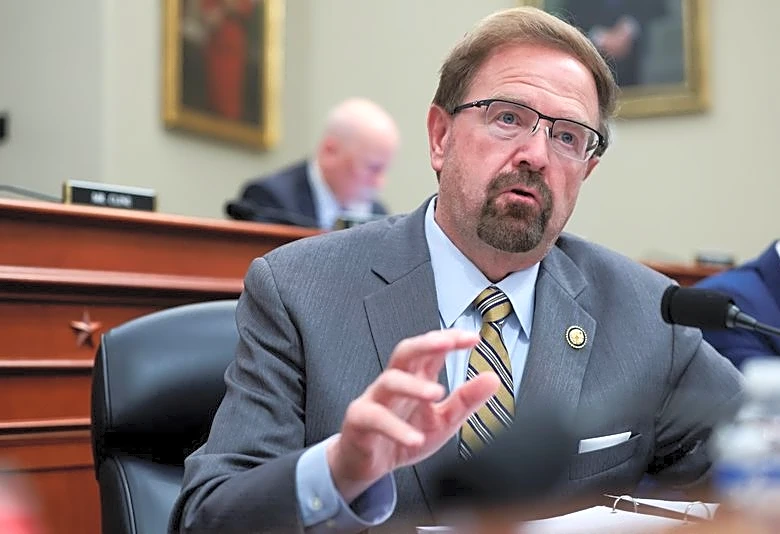
U.S. Representative Ed Case has introduced a bill aimed at enhancing efforts to combat invasive species on Hawaii Island. The bill, recently approved by the U.S. House Natural Resources Committee, seeks to expand an existing 'strike team' initiative under
the U.S. Fish and Wildlife Service. This initiative involves assembling groups of experts to prevent, identify, and remove invasive species in National Wildlife Refuges. If passed, the bill would allocate an additional $10 million annually to support these efforts through 2033. The initiative is designed to maintain ecosystem health and protect Hawaii's unique biodiversity, which is threatened by invasive species. The bill also mandates enhanced coordination and reporting to ensure transparency and track progress with annual reports to Congress and the public.
Why It's Important?
The introduction of this bill is significant as it addresses the ecological damage caused by invasive species in Hawaii, which threaten the survival of native birds and plants. Protecting Hawaii's biodiversity is not only an environmental necessity but also a cultural imperative that reflects the identity and heritage of the Hawaiian people. The bill's passage could lead to more effective management of invasive species, thereby preserving the state's natural resources and supporting its ecological balance. The additional funding and structured approach could enhance the efficiency and impact of conservation efforts, benefiting both the environment and the local communities that rely on these ecosystems.
What's Next?
The bill now awaits approval by the full House. If passed, it will provide a framework for ongoing efforts to manage invasive species in Hawaii. The measure's success could prompt similar initiatives in other regions facing ecological threats from invasive species. Stakeholders, including environmental groups and local communities, are likely to support the bill, given its potential to safeguard Hawaii's natural heritage. The outcome of the House vote will determine the future of this initiative and its impact on Hawaii's conservation strategies.