






What's Happening?
Madagascar has declared a nationwide state of energy emergency for 15 days due to fuel shortages linked to the Middle East conflict. The decision, announced after a cabinet meeting, grants authorities the power to take urgent measures to stabilize fuel supply
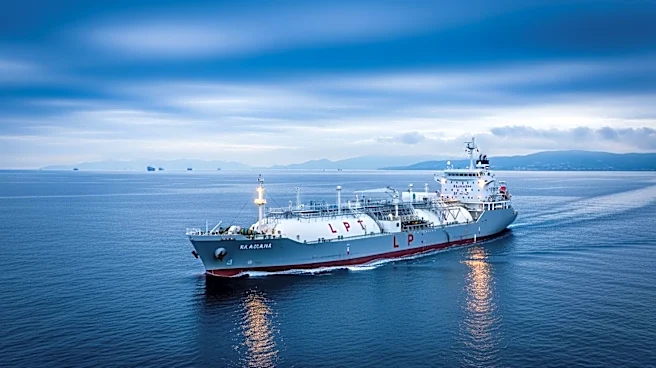
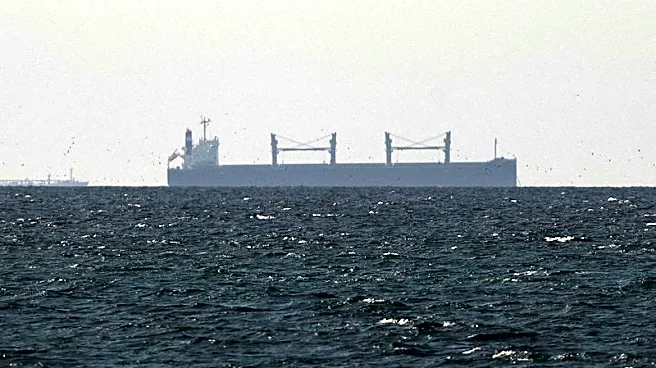
and maintain essential public services. The energy crisis is exacerbated by rising global oil prices and reduced fuel availability, leading to widespread shortages and long queues at petrol stations. The emergency declaration aims to restore supply and keep key sectors running, including transport, electricity generation, and healthcare.
Why It's Important?
The energy emergency in Madagascar highlights the vulnerability of import-dependent economies to global disruptions, particularly in oil markets. The situation underscores the interconnectedness of global supply chains and the impact of geopolitical conflicts on energy security. Madagascar's response reflects broader challenges faced by countries reliant on imported fuel, as they navigate rising prices and supply chain disruptions. The emergency measures may have significant economic implications, affecting public services and potentially leading to increased costs for consumers.
What's Next?
Madagascar's government will likely implement measures to stabilize fuel supply, potentially including rationing and price controls. The declaration may prompt international assistance or negotiations to secure alternative fuel sources. The situation may also influence regional energy policies, as countries assess their energy security strategies in light of global market volatility. The impact of the Middle East conflict on oil prices and supply chains will continue to be monitored closely.
Beyond the Headlines
The energy crisis in Madagascar raises questions about the sustainability of current energy policies and the need for diversification of energy sources. The situation may prompt discussions on renewable energy investments and infrastructure development to reduce dependency on imported fuel. Additionally, the crisis highlights the importance of international cooperation in addressing global energy challenges and ensuring stability in supply chains.