
What's Happening?
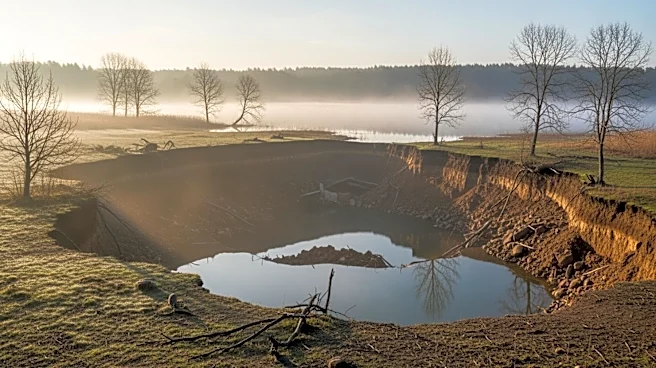
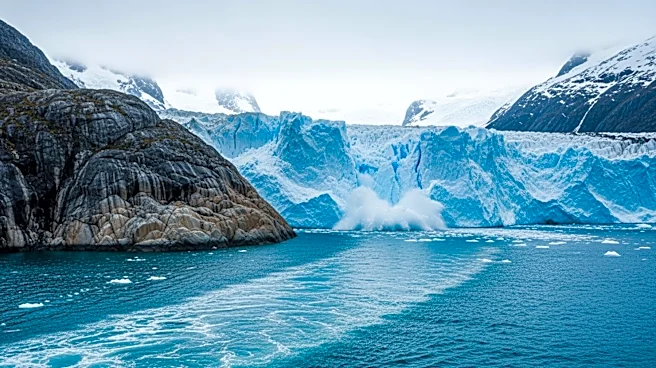
In August 2025, a massive tsunami occurred in Alaska's Tracy Arm Fjord, reaching a height of 481 meters, making it the second-largest tsunami ever recorded. The event was triggered by the retreat of the South
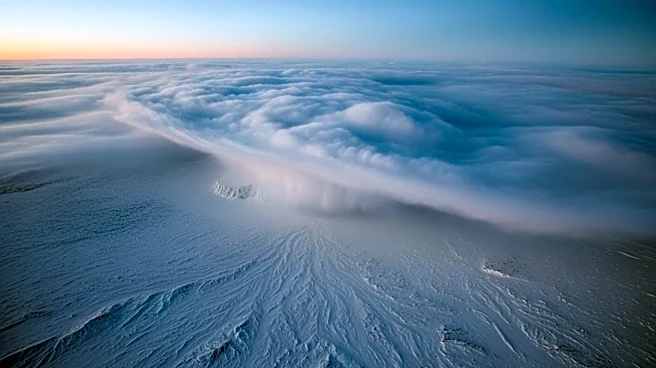
Sawyer Glacier, which had been holding a mountainside in place. As the glacier retreated, it exposed unstable rock that eventually collapsed into the fjord, creating the tsunami. This incident highlights the direct impact of climate change on geological stability, as the glacier's retreat was a key factor in the mountainside's collapse. Despite the tsunami's size, no lives were lost, partly due to the timing of the event.
Why It's Important?
The Tracy Arm tsunami serves as a stark reminder of the potential for climate change to trigger sudden and catastrophic natural disasters. As glaciers retreat, they can destabilize surrounding landscapes, increasing the risk of landslides and tsunamis. This event underscores the need for improved monitoring and risk assessment strategies to address the unique challenges posed by climate-related geological hazards. The incident also raises concerns about the safety of expanding human infrastructure in vulnerable areas, as continued development could increase the risk of future disasters.
What's Next?
In response to this event, there may be increased efforts to enhance monitoring systems and develop more comprehensive disaster preparedness plans in Alaska. This could involve deploying new technologies to detect landslides and tsunamis more effectively. Additionally, there may be a push for more research into the effects of climate change on glacier stability and the associated risks. Stakeholders, including government agencies, scientists, and local communities, will need to collaborate to improve safety measures and raise awareness about the potential hazards in the region.