





What's Happening?
Hundreds of households in unincorporated East Los Angeles will begin receiving a one-time $200 utility credit on their Southern California Edison (SCE) bills. This relief comes after weeks of pressure from residents and L.A. County Supervisor Hilda Solis,
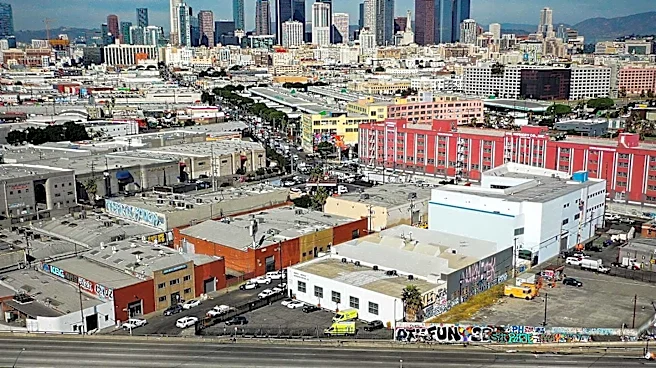
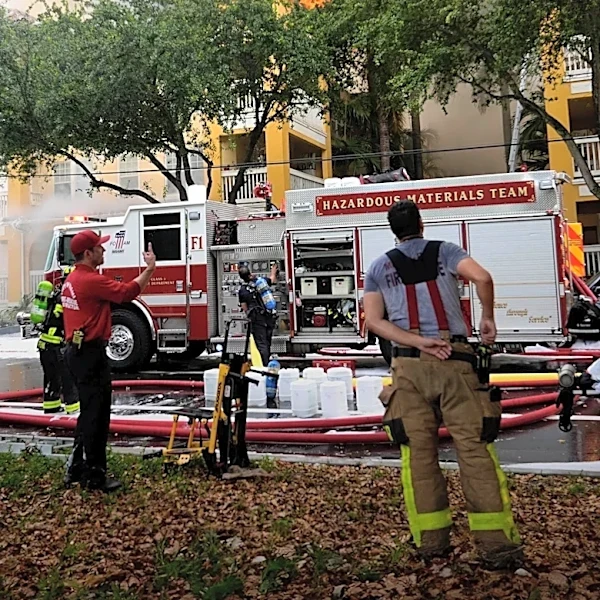
advocating for support beyond Boyle Heights, which initially received assistance. Lineage, the owner of the cold-storage warehouse that experienced a fire on June 17, initially provided $50,000 in utility assistance to 218 Los Angeles Department of Water and Power (LADWP) customers in Boyle Heights. Residents in East L.A., some living just blocks from the warehouse, were initially excluded. The expanded relief covers 133 households in a designated Zone 2, stretching between Indiana Street and Hicks Avenue, and Union Pacific Avenue and the 5 Freeway. Residents within this boundary will automatically receive the credit. The utility assistance addresses increased electricity bills due to residents relying on air purifiers and air conditioners to combat the stench of rotting food and poor air quality post-fire.
Why It's Important?
This development is significant for environmental justice and equitable disaster relief in Los Angeles. The initial exclusion of East L.A. residents from utility assistance, despite their proximity to the Lineage warehouse fire, highlighted disparities in how relief efforts are distributed. The successful advocacy by Supervisor Solis and community members underscores the importance of local representation in ensuring fair treatment for all affected populations. The utility credits will provide much-needed financial relief to households that incurred higher energy costs due to the lingering effects of the fire, such as poor air quality and unpleasant odors. This situation also brings to light the complexities of defining impact zones and eligibility criteria for disaster aid, as residents continue to question why some qualify and others do not, despite experiencing similar adverse effects from the incident.
What's Next?
Lineage has indicated that the relief has been expanded to cover hundreds more households in East L.A., extending as far as Herbert Avenue, though the exact total amount of support and distribution timeline for all SCE customers are still being determined. L.A. Mayor Karen Bass and her partners from the county and city are actively working to secure additional funding to provide more utility assistance and bill payments for a larger geographic area beyond the current boundaries. This suggests that further expansions of relief programs may be forthcoming. Residents outside the current eligibility zones are encouraged to explore existing SCE and LADWP programs, such as income-based discounts, payment plans, and one-time bill assistance funds. The ongoing efforts indicate a continued push to address the broader impact of the warehouse fire on the community.
Beyond the Headlines
The Lineage warehouse fire and its aftermath expose deeper issues concerning industrial accountability and community resilience in urban environments. The reliance on a zone-based map to determine relief eligibility has created confusion and frustration among residents, highlighting the need for more transparent and inclusive criteria in disaster response. This incident also underscores the disproportionate impact of environmental hazards on historically underserved communities, as residents in East L.A. and Boyle Heights grapple with both the immediate and long-term consequences of the fire. The need for air purifiers and air conditioners due to lingering odors points to potential long-term health and quality-of-life concerns that extend beyond utility bills. This situation could serve as a case study for future disaster preparedness and response, emphasizing the importance of equitable distribution of resources and clear communication with affected communities.