


What's Happening?
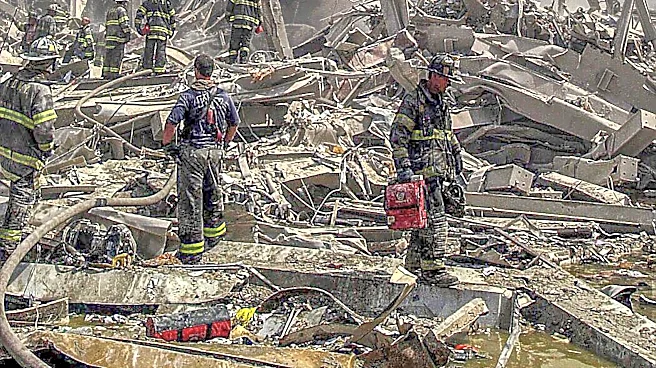
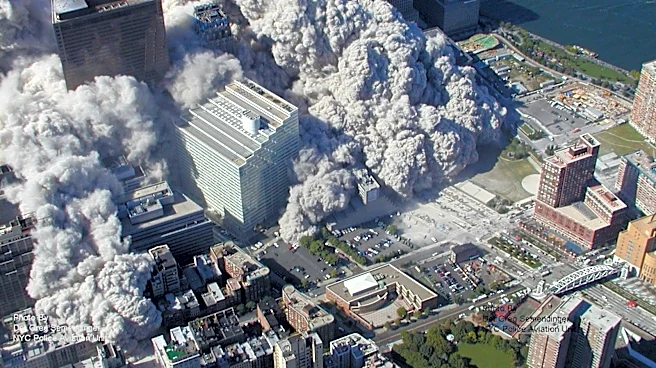
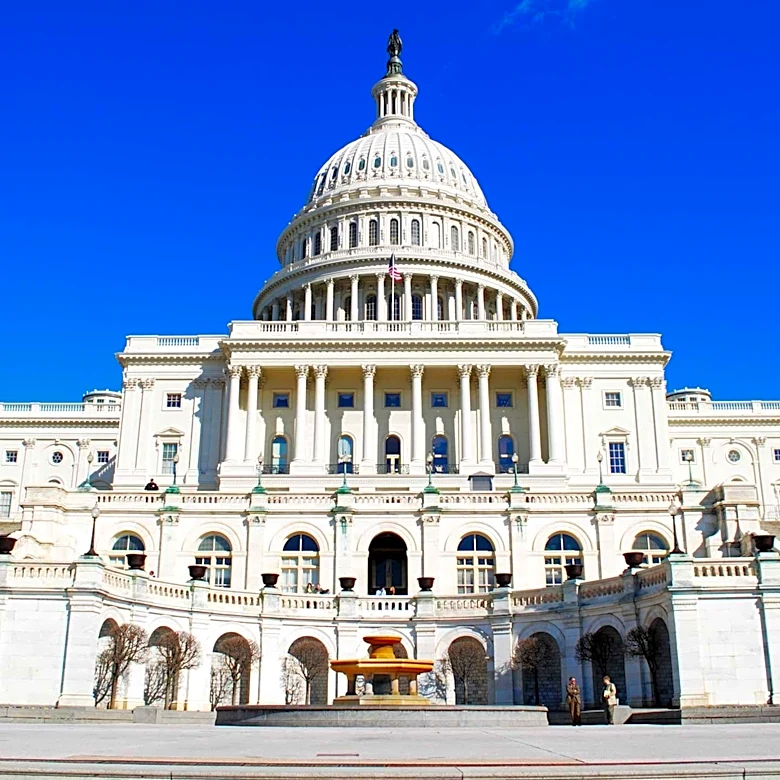
Fourteen Democratic representatives, including two from New York, voted against a bill that would provide funding for the World Trade Center Health Program. This program offers healthcare to first responders and survivors of the 9/11 terror attacks. The
vote occurred in February as part of a broader government funding package, just months before the 25th anniversary of the attacks. The Democrats reportedly rejected the measure due to disputes over immigration enforcement. The World Trade Center Health Program is facing increasing demand from a growing number of sick and aging responders. Among the Democrats who voted against the funding were Representatives Kathy Castor (FL-14), Vicente Gonzalez (TX-34), Adam Gray (CA-13), Steven Horsford (NV-04), Greg Landsman (OH-01), Susie Lee (NV-03), Kristen McDonald Rivet (MI-08), Jared Moskowitz (FL-25), Frank Mrvan (IN-01), Darren Soto (FL-09), Dina Titus (NV-01), Gabe Vasquez (NM-02), and New York Representatives Tom Suozzi and Laura Gillen.
Why It's Important?
The vote against funding for the World Trade Center Health Program carries significant weight, particularly as the nation approaches the 25th anniversary of the 9/11 attacks. This program is a critical lifeline for thousands of first responders and survivors who continue to suffer from health issues directly linked to their exposure at Ground Zero. The rejection of funding, even if tied to broader legislative disagreements on immigration, directly impacts the ability of these individuals to receive necessary medical care. It raises questions about the prioritization of support for those who sacrificed during a national tragedy. The increasing demand on the program due to the aging and worsening health of beneficiaries underscores the long-term consequences of the attacks and the ongoing need for sustained federal commitment. This vote could be perceived as a betrayal by the affected communities and may influence public perception of the lawmakers involved, especially in their respective districts.
What's Next?
The immediate consequence of the vote is the continued uncertainty surrounding the long-term funding and stability of the World Trade Center Health Program. While the specific funding package was rejected, the program's needs remain pressing. Lawmakers will likely face ongoing pressure from advocacy groups, 9/11 survivors, and first responder organizations to secure adequate funding. Future legislative efforts to address government funding or specific health initiatives may include renewed attempts to allocate resources to the program. The issue could also become a point of contention in upcoming election cycles, with political opponents highlighting the vote as a failure to support national heroes. The Department of Health and Human Services, which oversees the program, will need to manage existing resources carefully while advocating for future appropriations to meet the growing healthcare demands of beneficiaries.
Beyond the Headlines
This incident highlights a recurring tension in legislative processes where critical, widely supported programs can become entangled in broader political disputes. The decision by these Democrats to vote against the funding, reportedly due to disagreements over immigration enforcement, illustrates how unrelated policy issues can impact essential services. It raises ethical questions about the responsibility of elected officials to prioritize the welfare of specific vulnerable populations, particularly those who have made profound sacrifices for the nation. The long-term health crisis among 9/11 responders and survivors serves as a stark reminder of the enduring human cost of terrorism and the need for sustained national commitment to their care. This situation also underscores the challenges of achieving bipartisan consensus on funding for vital programs when they are packaged with contentious legislative items, potentially forcing difficult choices for lawmakers.