





What's Happening?
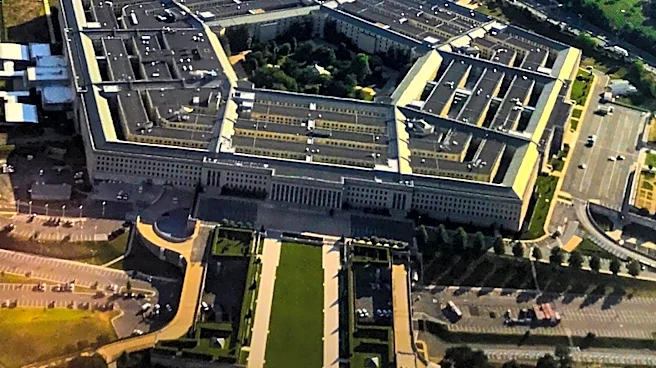
Stars and Stripes, a newspaper serving the American military community, is facing scrutiny over its editorial independence following recent actions by the Pentagon. The newspaper, which has historically operated with editorial freedom, is now subject
to new restrictions imposed by the Department of Defense. These include a ban on running comics and using news from paid wire services like the Associated Press. The changes have raised concerns about potential censorship and the paper's ability to provide independent news. Editor-in-chief Erik Slavin expressed uncertainty about the Pentagon's reference to 'woke distractions' and emphasized the importance of maintaining the paper's mission to serve the military community. The situation has led to a lawsuit filed by two advisory board members, accusing the Defense Department of violating the First Amendment.
Why It's Important?
The developments at Stars and Stripes highlight a significant issue regarding press freedom and government influence over media. As a publication serving military personnel, the newspaper's ability to operate independently is crucial for providing unbiased information to service members. The Pentagon's actions could set a precedent for increased control over media outlets associated with government entities, potentially impacting the flow of information and the public's right to know. The situation also raises broader questions about the balance between national security interests and the protection of free speech, particularly within institutions that are part of or closely linked to the government.
What's Next?
The ongoing lawsuit against the Defense Department could lead to legal clarifications regarding the extent of editorial independence allowed for government-affiliated publications. The outcome may influence future policies on media operations within the military and other government sectors. Additionally, the response from the military community and public opinion could pressure the Pentagon to reconsider its stance on editorial restrictions. The situation may also prompt discussions about the role of government in media oversight and the importance of safeguarding journalistic integrity.
Beyond the Headlines
The situation with Stars and Stripes could have long-term implications for how military and government-affiliated media are perceived and trusted by their audiences. If the newspaper is seen as a tool for propaganda rather than an independent news source, it could undermine its credibility and effectiveness in serving the military community. This development also touches on ethical considerations regarding the role of media in a democratic society and the potential consequences of government overreach in editorial matters.