




What's Happening?
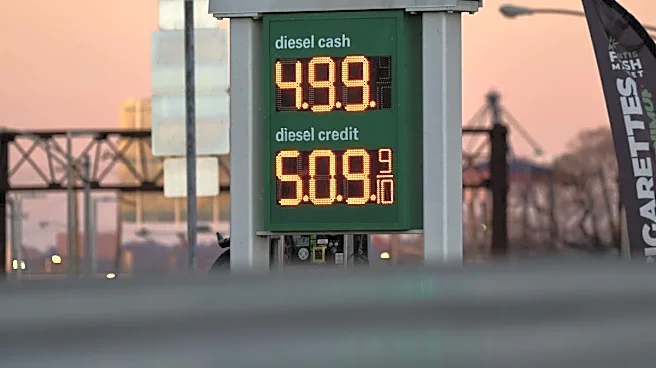
The Organisation for Economic Co-operation and Development (OECD) has warned that the ongoing conflict between the US and Iran could lead to global recessions if it continues into 2027. The conflict has already disrupted global oil supplies, driving up prices
and causing energy shortages. The OECD's 'prolonged disruption' scenario predicts a significant reduction in global GDP growth, with emerging economies being hit hardest. The report highlights the potential for enforced energy rationing and increased costs for industrial inputs, posing challenges for policymakers.
Why It's Important?
The OECD's warning underscores the far-reaching economic implications of the Iran conflict, which could exacerbate existing vulnerabilities in the global economy. The potential for recessions highlights the interconnectedness of global markets and the impact of geopolitical tensions on economic stability. The conflict's effect on energy prices and supply chains could have ripple effects across industries, affecting production costs and consumer prices. The situation also raises concerns about the resilience of emerging economies, which may face severe economic challenges without adequate support.
What's Next?
The international community may intensify diplomatic efforts to resolve the conflict and stabilize global energy markets. Policymakers will need to balance measures to address inflation with strategies to support economic growth and prevent recessions. The situation may prompt a reevaluation of energy policies, with increased emphasis on diversifying energy sources and reducing reliance on fossil fuels. The OECD's report may influence future economic forecasts and policy decisions, as stakeholders seek to mitigate the conflict's impact on global growth.
Beyond the Headlines
The Iran conflict highlights the complex interplay between geopolitics and economics, where regional tensions can have global consequences. The situation underscores the importance of energy security and the need for sustainable energy solutions to reduce vulnerability to geopolitical disruptions. The potential for global recessions raises questions about the resilience of the international economic system and the capacity of policymakers to respond to crises. The conflict may also influence broader discussions on global governance and the role of international institutions in addressing transnational challenges.