




What's Happening?
Kudakwashe Tagwirei, a Zimbabwean billionaire currently under U.S. sanctions, has been sworn in as a senator in Zimbabwe. His appointment was made by President Emmerson Mnangagwa under Constitutional Amendment Act No. 3, which expanded the Senate to include
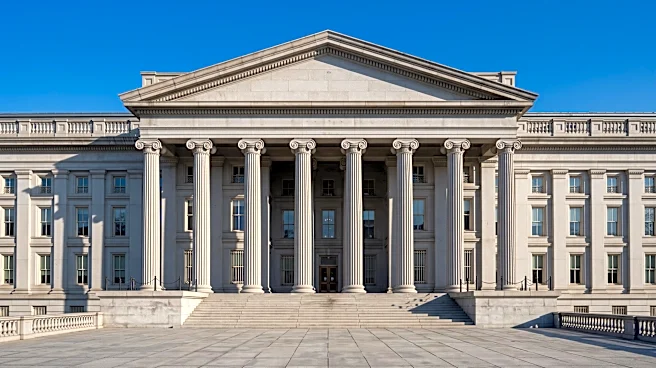
ten members chosen for their professional skills and expertise. Both Tagwirei and President Mnangagwa are designated under the same American sanctions program, specifically Executive Order 13818, which implements the Global Magnitsky Human Rights Accountability Act. The U.S. Treasury designated Tagwirei for allegedly materially assisting corruption and facilitating the transfer of its proceeds. In March of this year, he was also added to the American System for Award Management exclusions list, barring him from U.S. federal procurement. Tagwirei, who also serves as President Mnangagwa's advisor and is a member of the Zanu-PF Central Committee, has denied any wrongdoing.
Why It's Important?
The swearing-in of Kudakwashe Tagwirei as a Zimbabwean senator, despite being under U.S. sanctions for alleged corruption, carries significant implications for international relations, governance, and economic transparency. His appointment highlights a direct challenge to U.S. foreign policy objectives aimed at combating corruption and promoting human rights globally. The fact that both Tagwirei and President Mnangagwa are on the same U.S. sanctions list underscores the complex and often contentious relationship between the U.S. and Zimbabwe. This move could further strain diplomatic ties and potentially lead to additional sanctions or diplomatic pressure from the U.S. The integration of a sanctioned individual into the legislative body raises questions about the integrity of Zimbabwe's political institutions and its commitment to anti-corruption efforts. For U.S. businesses and investors, this situation signals a heightened risk environment in Zimbabwe, particularly concerning dealings with entities or individuals linked to the government.
What's Next?
The U.S. government is likely to monitor the implications of Kudakwashe Tagwirei's senatorial appointment closely. This could lead to further statements or actions from the U.S. Treasury or State Department regarding its sanctions policy towards Zimbabwe. The appointment may also prompt international human rights organizations and anti-corruption watchdogs to increase their scrutiny of Zimbabwe's governance practices. Domestically, Tagwirei's presence in the Senate is expected to formalize his influence on economic policy, given his background in business and his stated intention to contribute expertise for economic growth. This could lead to legislative initiatives that favor his business interests or those of his associates. The ongoing debate about the legitimacy of appointments under Constitutional Amendment Act No. 3 is also expected to continue, potentially fueling political opposition and civil society activism within Zimbabwe.
Beyond the Headlines
The appointment of a U.S.-sanctioned individual like Kudakwashe Tagwirei to a high-level legislative position in Zimbabwe reveals deeper ethical and legal complexities. It highlights the limitations of unilateral sanctions in influencing the internal political decisions of sovereign nations. The situation raises questions about the effectiveness of such sanctions when targeted individuals continue to hold significant power and influence within their home countries. Ethically, it challenges the international community's commitment to upholding principles of good governance and anti-corruption when individuals accused of illicit activities are elevated to positions of authority. Legally, it underscores the divergence between international legal frameworks and national political realities. This development could also contribute to a broader narrative among some nations that U.S. sanctions are politically motivated rather than purely based on legal or ethical considerations, potentially weakening the global consensus on combating corruption and human rights abuses.