




What's Happening?
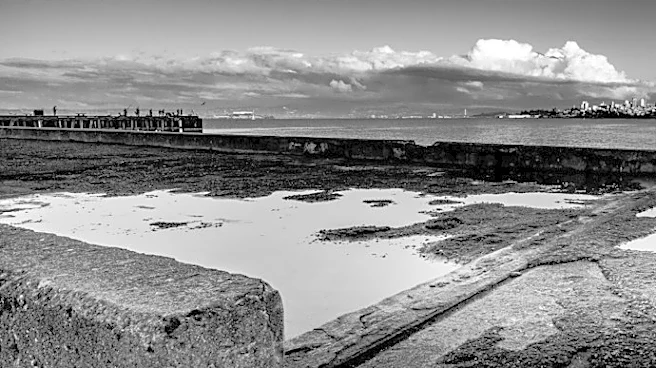
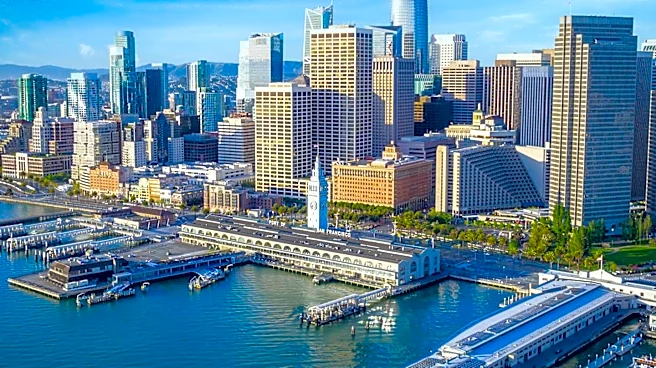
San Francisco's Embarcadero experienced significant flooding on October 27, 2026, as tides peaked 2.1 feet above normal, leading to the closure of parts of the sidewalk and bike lane. The National Weather Service issued a coastal flood advisory for low-lying
regions across the Bay Area, with tides expected to remain high, reaching above 1.9 feet above normal on October 28. Eric Young, a spokesperson for the Port of San Francisco, attributed these abnormally high tides to the upcoming El Niño phenomenon, which causes a warming trend in the water, resulting in higher sea levels. Experts anticipate this El Niño to be historic, potentially bringing torrential downpours, elevated sea levels, severe thunderstorms, and even isolated tornadoes during the winter. The worst flooding from these high tides is projected along bayshore Marin County, with numerous reports of flooding already received in recent days.
Why It's Important?
This flooding event highlights the immediate and future challenges posed by climate phenomena like El Niño on coastal infrastructure and urban areas in the U.S. The closure of parts of the Embarcadero, a vital area in San Francisco, disrupts daily life and commerce, underscoring the vulnerability of coastal cities to rising sea levels and extreme weather. The anticipated historic El Niño could lead to widespread impacts, including damage to property, disruption of transportation, and potential threats to public safety across California and other coastal regions. Businesses in affected areas may face operational interruptions and financial losses, while local governments will need to allocate significant resources for emergency response, infrastructure repairs, and long-term adaptation strategies. The event serves as a stark reminder of the need for robust climate resilience planning and investment in coastal protection measures.
What's Next?
City officials in San Francisco are prepared to deploy barriers, close traffic near the waterfront, and pump out water as needed to manage ongoing flooding. The Port of San Francisco has a well-established 'playbook' for dealing with stormwater and floods impacting sidewalks, bike lanes, and traffic lanes. Residents and businesses in low-lying areas, particularly along bayshore Marin County, should remain vigilant and follow advisories from the National Weather Service. The long-term outlook points to a winter influenced by a potentially historic El Niño, which means continued risks of torrential downpours, elevated sea levels, and severe weather events. This will likely necessitate ongoing emergency preparedness, public awareness campaigns, and potentially more significant infrastructure projects to mitigate the effects of future extreme weather conditions.
Beyond the Headlines
The recurring and intensifying nature of such flooding events, driven by climate change and phenomena like El Niño, points to a broader societal challenge for coastal communities in the U.S. Beyond immediate damage and disruption, there are long-term implications for urban planning, real estate values, and environmental justice. Vulnerable communities, often with fewer resources, may disproportionately bear the brunt of these impacts. The need for innovative engineering solutions, such as improved seawalls and drainage systems, will become more pressing. Furthermore, these events could accelerate discussions around managed retreat from highly exposed coastal areas and the re-evaluation of insurance policies, as standard homeowners' insurance typically does not cover flood damage. The cultural and historical significance of landmarks like the Embarcadero also raises questions about preserving urban heritage in the face of environmental shifts.