






What's Happening?
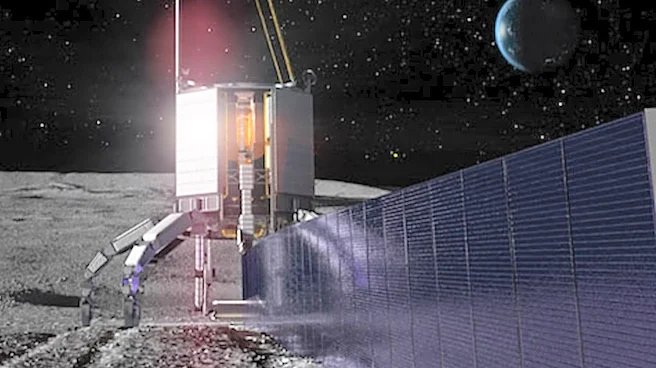
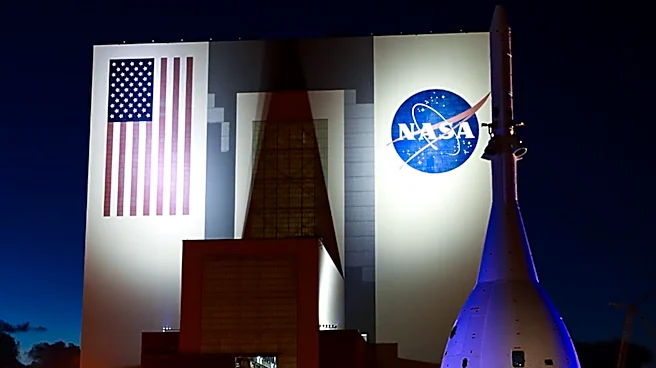
NASA is advancing its Artemis program with the goal of establishing a base near the moon's south pole within the next decade. This initiative is part of a broader strategy to use the moon as a stepping stone for future human missions to Mars. The Artemis program has
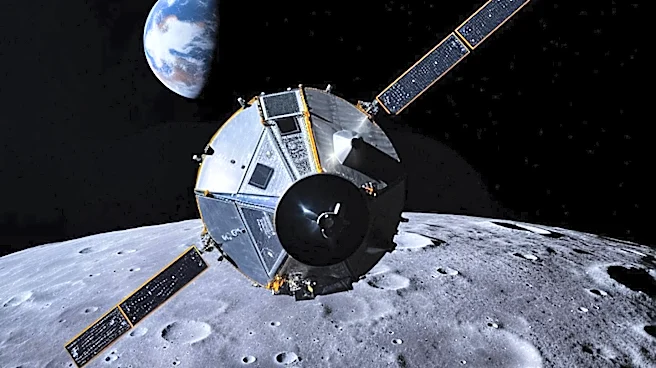
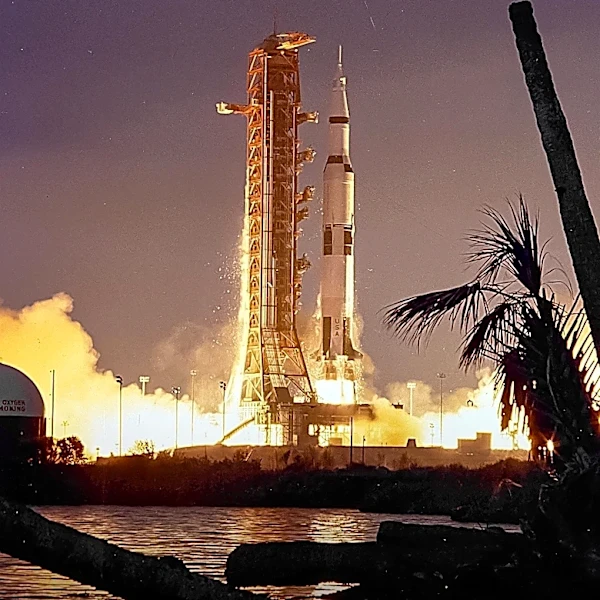
already seen two successful missions: Artemis I, which launched an uncrewed Orion capsule to lunar orbit in 2022, and Artemis II, which sent four astronauts around the moon in April 2023. The upcoming Artemis III mission, scheduled for 2027, will test docking procedures with lunar landers in Earth orbit. If successful, Artemis IV could land astronauts near the lunar south pole by 2028. This effort is part of a renewed space race, with China also planning to land astronauts on the moon by 2030 and establish a base in collaboration with Russia and other partners.
Why It's Important?
The Artemis program represents a significant step in human space exploration, with the potential to expand scientific knowledge and technological capabilities. Establishing a lunar base could provide critical insights and experience necessary for future Mars missions, potentially leading to breakthroughs in space travel and habitation. The program also underscores the competitive nature of international space exploration, as the U.S. seeks to maintain its leadership in aerospace technology amidst growing competition from China. Success in these endeavors could bolster national pride and inspire a new generation of scientists and engineers, while also fostering international collaboration or rivalry in space exploration.
What's Next?
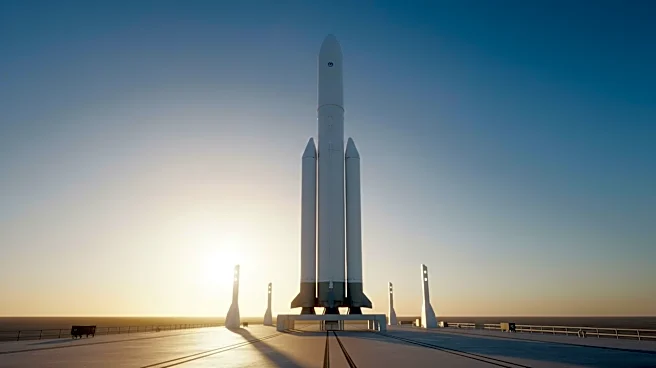
The next steps for NASA's Artemis program include the execution of Artemis III in 2027, which will test critical technologies and procedures for lunar landings. Following this, Artemis IV aims to land astronauts on the moon by 2028, contingent on the successful development and testing of lunar landers like SpaceX's Starship and Blue Origin's Blue Moon. The timeline for these missions is ambitious, with significant technical challenges remaining. Meanwhile, China's parallel efforts to establish a lunar presence could influence the pace and focus of NASA's activities, potentially leading to increased funding and international partnerships or competition.