




What's Happening?
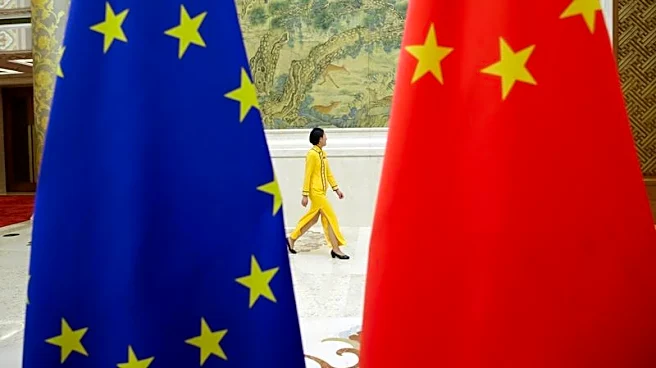
Europe's initial optimism regarding its economic relationship with China, particularly following China's entry into the World Trade Organization (WTO) in 2001, has given way to growing disillusionment. This shift is detailed in a report by CEPA, highlighting
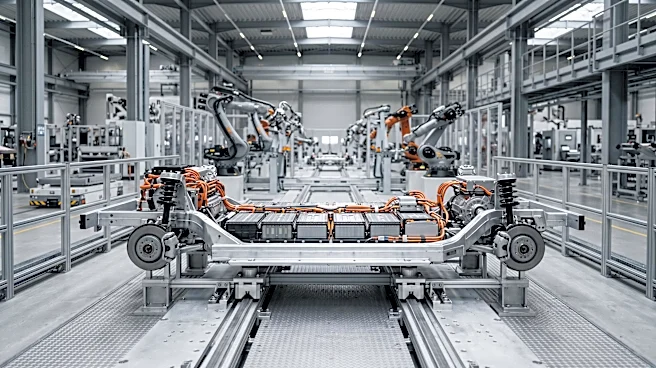
how early 'win-win' scenarios, characterized by joint ventures and foreign direct investment, have evolved into disputes over patents and technology transfer. Chinese officials frequently framed 'technology transfer' as a mutually beneficial condition for doing business in certain sectors, which often became a requirement for multinational companies operating in China. Despite assurances from country managers, these practices have led to strain. Concurrently, a significant influx of low-cost Chinese manufactured goods, dubbed the 'China Shock,' entered European markets under agreed tariffs, initially viewed by specialists as a temporary phenomenon. However, this export wave, coupled with China's economic rise under leader Xi Jinping, has contributed to Europe's re-evaluation of its trade relationship, moving away from the initial belief in seamless free trade.
Why It's Important?
This growing disillusionment in Europe with China's trade practices has significant implications for the U.S. and the global economic landscape. As a major economic bloc, Europe's stance on China can influence broader international trade policies and alliances. The U.S. has also expressed concerns regarding intellectual property theft and forced technology transfer by China, making Europe's experience a shared point of contention. If Europe adopts a more assertive or protectionist approach towards China, it could strengthen a united front with the U.S. against what both perceive as unfair trade practices. This could lead to increased pressure on China to adhere to international trade norms, potentially impacting global supply chains and market access for U.S. companies operating in or with China. Conversely, a fragmented approach could weaken efforts to address these issues collectively. The 'China Shock' phenomenon, which also affected U.S. manufacturing, underscores the shared economic challenges faced by Western economies in managing trade with a rapidly industrializing China. The evolving relationship highlights the complexities of balancing economic engagement with national security and intellectual property concerns.
What's Next?
The trajectory of Europe's relationship with China suggests a potential for increased trade disputes and a more cautious approach to economic engagement. This could manifest in stricter regulations on foreign investment, enhanced scrutiny of technology transfers, and potentially new tariffs or trade barriers. For the U.S., this development could present opportunities for closer collaboration with European allies on trade policy, potentially leading to coordinated efforts to address China's economic practices. Businesses, particularly those with operations in both Europe and China, may need to adapt to a more complex regulatory environment and potentially re-evaluate their supply chain strategies. The emphasis on 'technology transfer' as a condition for market access will likely remain a contentious issue, prompting companies to seek stronger intellectual property protections. The long-term outlook points towards a more competitive and potentially fragmented global trade environment, where geopolitical considerations increasingly influence economic decisions.
Beyond the Headlines
Beyond immediate trade implications, Europe's disillusionment with China touches upon deeper issues of economic sovereignty, national security, and the future of multilateral trade institutions. The initial 'win-win' narrative has been replaced by concerns over strategic dependencies and the erosion of fair competition. This shift reflects a broader global trend where economic relationships are increasingly viewed through a geopolitical lens. The ethical dimension of technology transfer, particularly when it becomes a de facto requirement, raises questions about equitable innovation and the protection of proprietary knowledge. Culturally, it signifies a growing awareness in Western nations of the need to balance economic benefits with the preservation of technological leadership and national interests. This evolving dynamic could lead to a re-shaping of global economic governance, with a greater emphasis on reciprocal market access and adherence to international legal frameworks, potentially challenging the existing structures of organizations like the WTO.