




What's Happening?
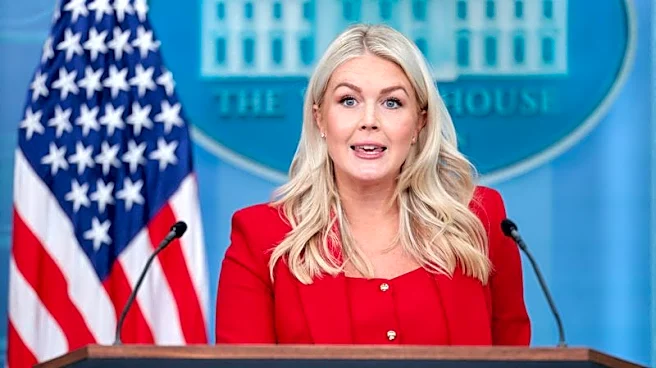
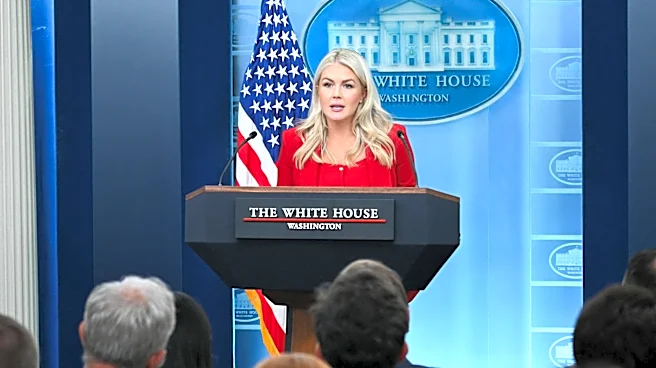
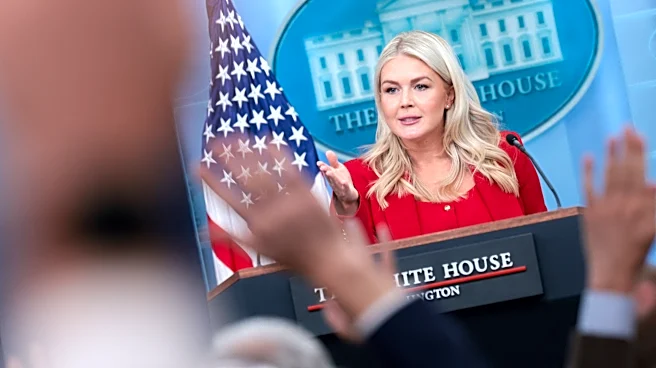
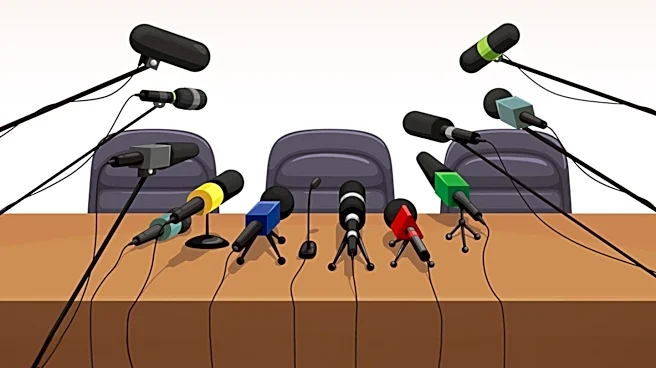
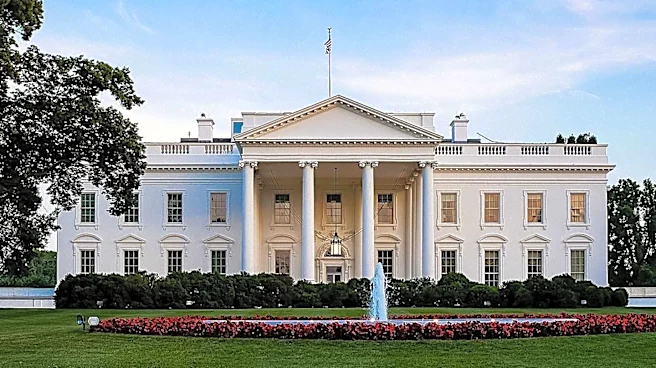
The role of the White House press secretary has seen a significant reduction in visibility and frequency of briefings under President Trump's administration. Karoline Leavitt, the outgoing press secretary, held formal briefings only once a week on average,
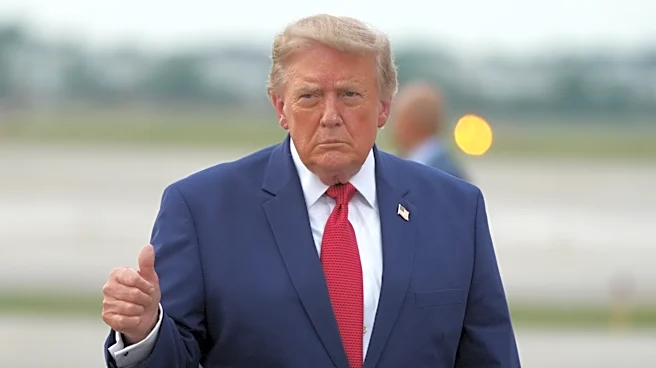
a stark contrast to previous administrations where daily briefings were the norm. This change reflects President Trump's approach to communication, where he often acts as his own spokesperson. The reduction in briefings has raised concerns about transparency and the ability of the press to hold the administration accountable. Despite fewer briefings, Leavitt was noted for increasing access to a broader range of news outlets.
Why It's Important?
The diminished role of the press secretary underlines a shift in how the White House communicates with the public and the media. This change has implications for transparency and accountability, as the press secretary traditionally serves as a key conduit for information from the executive branch. The reduction in briefings may limit the media's ability to question and scrutinize government actions, potentially impacting public trust. As President Trump continues to dominate the communication landscape, the role of the press secretary and its future under his administration remains uncertain.
What's Next?
With Karoline Leavitt's departure, speculation arises about who will be appointed as the next press secretary. The choice will signal how the administration plans to handle media relations moving forward. Potential candidates include figures with strong ties to President Trump, suggesting a continuation of the current communication strategy. The media and public will closely watch for any changes in the frequency and nature of press briefings, which could affect the administration's relationship with the press and its public image.