

What's Happening?
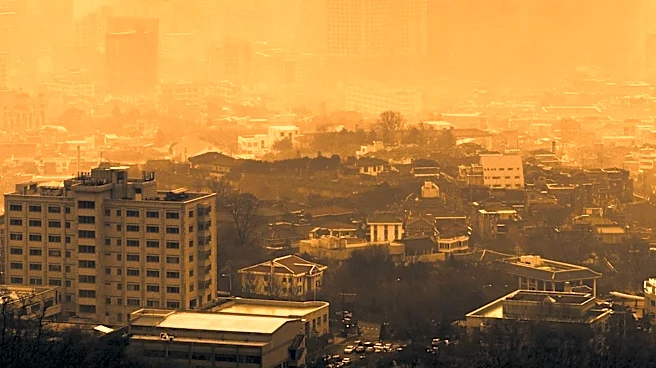
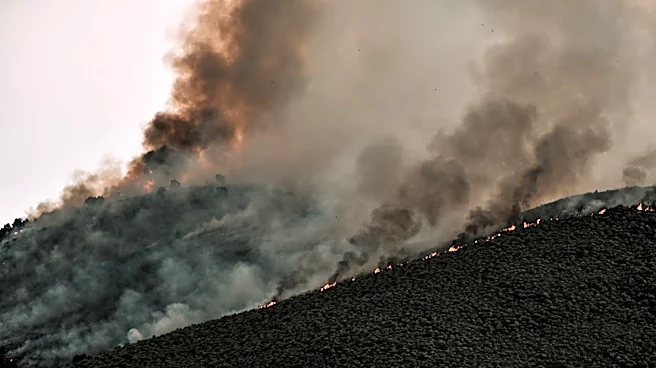
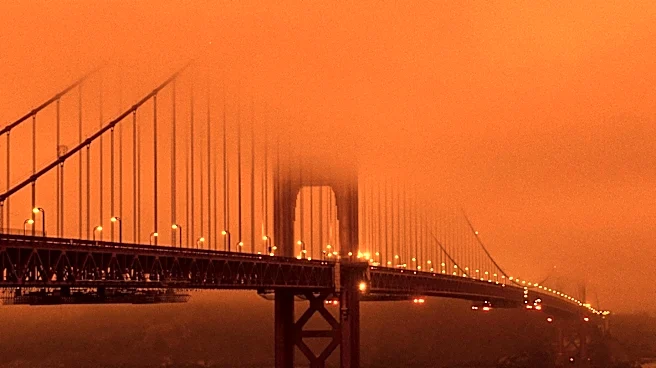
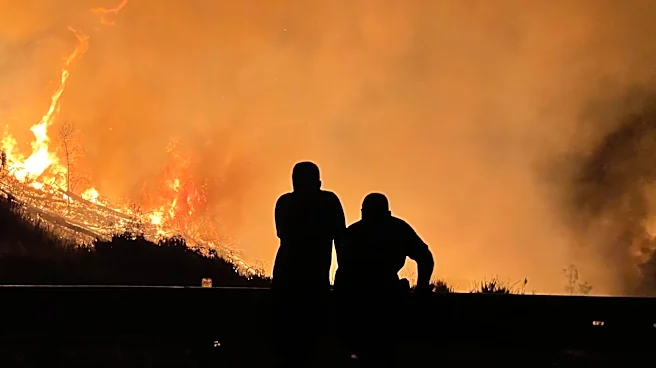
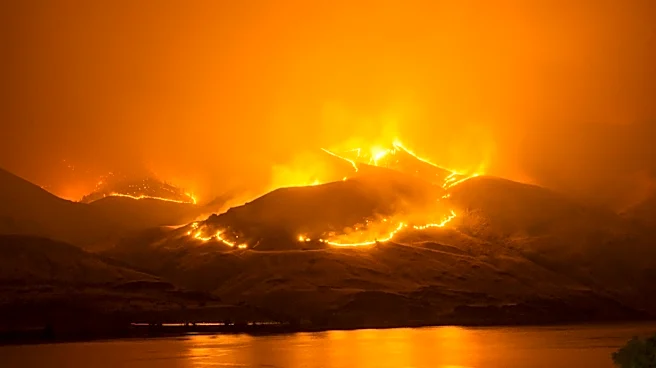
As wildfires continue to burn across Oregon, the resulting smoke has significantly impacted air quality in Portland, which was recently rated among the worst globally. The Oregon Health Authority (OHA) reports an increase in hospital visits related to smoke pollution,
particularly affecting individuals aged 18 to 44. Vulnerable groups, including children, the elderly, pregnant individuals, and those with respiratory or heart conditions, are at heightened risk. Officials recommend using air purifiers or DIY alternatives to improve indoor air quality. Despite the poor air quality, Multnomah County has not opened dedicated cooling centers, but encourages residents to use existing public spaces for relief.
Why It's Important?
The increase in hospital visits highlights the severe health impacts of wildfire smoke, particularly in urban areas like Portland. The situation underscores the need for effective public health responses and infrastructure to support vulnerable populations during such events. The reliance on public spaces for relief points to potential gaps in emergency preparedness and resource allocation. The ongoing wildfires and resulting air quality issues also raise concerns about the long-term environmental and health implications of climate change, emphasizing the need for comprehensive strategies to mitigate and adapt to these challenges.
What's Next?
Authorities will continue to monitor air quality and hospital visit trends to assess the ongoing impact of wildfire smoke. Public health officials may need to enhance communication and support for affected communities, particularly those without access to air conditioning or air purifiers. The situation may prompt discussions on improving emergency response plans and infrastructure to better address future air quality crises. Additionally, there may be increased advocacy for policies aimed at reducing wildfire risks and addressing climate change.