







What's Happening?
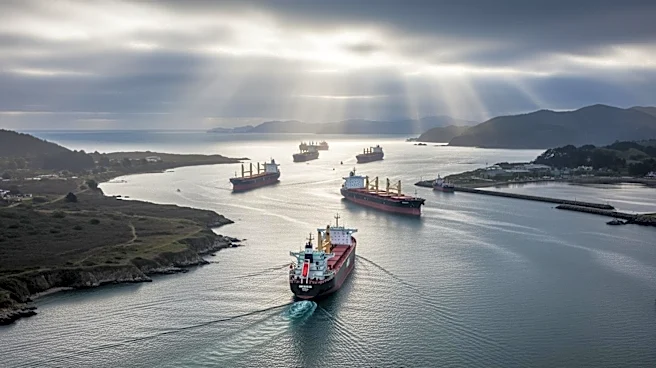
The Panama Canal Authority (ACP) is addressing a surge in demand for canal transits, which has led to a significant increase in auction prices for transit slots. The ACP reported a nearly 4% rise in the number of ships passing through the canal during
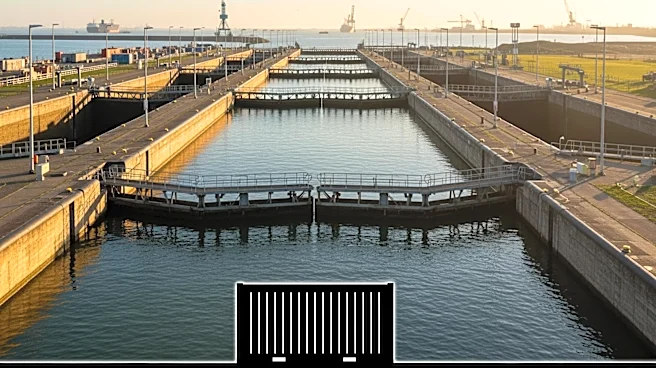
the first half of its fiscal year, driven by geopolitical tensions such as the Iranian war and the closure of the Strait of Hormuz. This increased demand has resulted in auction prices for transit slots soaring by 185% from March to April, with some slots fetching as much as $1.7 million for Panamax and $4 million for Neopanamax vessels. Despite these high prices, the ACP emphasizes that these conditions are temporary and driven by high demand. The canal remains fully operational, with water levels at optimal levels, allowing it to accommodate the growing volume of traffic.
Why It's Important?
The Panama Canal is a critical artery for global trade, and its ability to handle increased traffic has significant implications for international shipping and trade routes. The rise in auction prices reflects the canal's strategic importance, especially amid geopolitical tensions that disrupt other major shipping lanes. For U.S. industries, particularly those reliant on imports and exports, the canal's efficiency and capacity to manage increased demand are crucial. The high auction prices could impact shipping costs, potentially affecting the pricing of goods transported through the canal. Additionally, the canal's ability to maintain operations despite increased demand underscores its role as a reliable trade route, which is vital for maintaining global supply chain stability.
What's Next?
The ACP is closely monitoring water levels, especially with the potential impact of a predicted strong El Niño later this year. The authority plans to maintain current transit levels despite the increased demand, ensuring that the canal remains a reliable route for international shipping. The ACP's ability to manage water resources effectively will be crucial in maintaining operations and preventing delays. Stakeholders, including shipping companies and global trade partners, will be watching closely to see how the ACP navigates these challenges and whether auction prices stabilize as demand fluctuates.