









What's Happening?
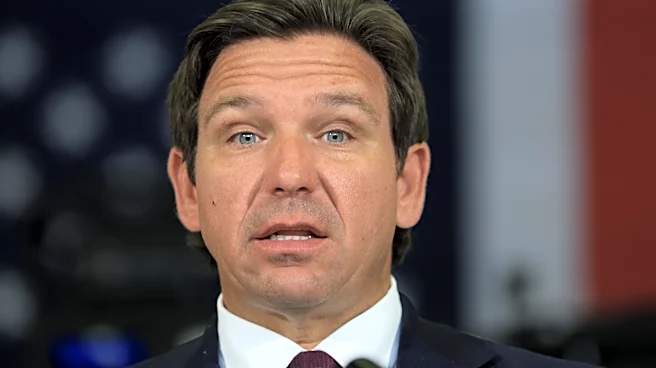
Florida Governor Ron DeSantis has vetoed Senate Bill 382, which aimed to introduce new safety regulations for electric bikes (e-bikes) in the state. The bill, which had passed the legislature without opposition, proposed measures such as limiting e-bike speeds
to 10 mph when within 50 feet of pedestrians and requiring e-bikes to yield and signal audibly when passing. It also sought to establish a statewide tracking system for e-bike and scooter accidents and create a task force to study these transportation modes. Governor DeSantis expressed concerns that the bill would lead to increased government surveillance and oversight, aligning with a broader Republican effort to limit local government authority. The veto follows a tragic incident where a 13-year-old was killed by a truck while riding an e-bike, highlighting safety concerns associated with these vehicles.
Why It's Important?
The veto of the e-bike safety bill has significant implications for public safety and local governance in Florida. E-bikes have become increasingly popular, leading to a rise in accidents and insurance claims related to battery fires and rider injuries. By rejecting the bill, the governor has prioritized concerns about government overreach over immediate safety measures, potentially leaving gaps in regulation that could affect public safety. This decision may impact insurance policies and claims, as e-bikes are often treated as bicycles, which do not require the same liability coverage as motor vehicles. The veto also reflects ongoing tensions between state and local governments over regulatory authority, with potential consequences for how transportation safety is managed in the future.
What's Next?
In response to the veto, state lawmakers may attempt to revise and reintroduce the bill in the next legislative session, addressing the governor's concerns while still aiming to enhance e-bike safety. This could involve negotiating the scope of government oversight and finding a balance between safety regulations and privacy concerns. Additionally, local governments and law enforcement agencies may seek alternative measures to address the safety issues posed by e-bikes, potentially leading to varied regulations across different jurisdictions. The ongoing debate may also influence future legislative efforts related to micromobility and transportation safety in Florida.