


What's Happening?
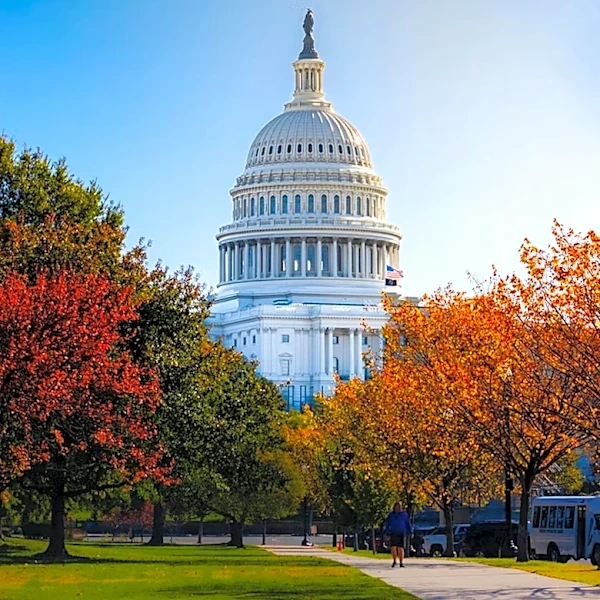
A federal judge has ruled that President Trump's pardons for individuals involved in the January 6 Capitol riot do not extend to Brian J. Cole Jr., a Virginia man accused of planting pipe bombs near the Democratic and Republican National Committee headquarters.
U.S. District Judge Amir Ali determined that Trump's pardons were specifically for those convicted of crimes directly related to the Capitol attack. Cole, who was arrested nearly a year after the pardons were issued, had not been charged or convicted at the time of the pardons. Prosecutors argue that the pardons do not apply to Cole's case, as he was not indicted for Capitol riot-related crimes. Cole's defense claims his actions are linked to the events of January 6, but the judge's ruling maintains the charges against him.
Why It's Important?
This ruling underscores the limitations of presidential pardons and highlights the ongoing legal consequences for individuals involved in the January 6 events. It also reflects the judiciary's role in interpreting the scope of executive actions. The decision may impact other cases where defendants seek to use presidential pardons as a defense. Additionally, it emphasizes the continued legal scrutiny and accountability for actions related to the Capitol riot, reinforcing the rule of law and the separation of powers in the U.S. government.
What's Next?
Cole is scheduled for a status hearing, and a trial date has yet to be set. The case may set a precedent for how similar cases are handled, particularly those involving claims of presidential pardons. The Department of Justice's stance on the applicability of pardons will likely influence future legal strategies and outcomes for other defendants involved in the January 6 events.