









What's Happening?
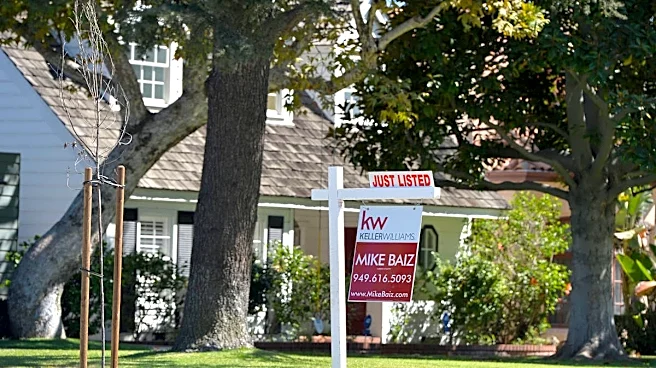
Providence, Rhode Island, has emerged as the hottest rental market in the United States, surpassing major cities like New York and San Francisco. According to Zillow, the intense competition in Providence is driven by a limited housing supply, which has resulted
in increased rental prices and low vacancy rates. The city, with a population of approximately 195,000, has been labeled as an unaffordable place to buy a home due to its lack of housing inventory. This scarcity has led to a significant demand for rental properties, making it a competitive market. In contrast, regions like the Sun Belt have seen a construction boom, leading to a drop in prices due to increased inventory. However, this trend has not been mirrored in the Northeast and coastal California, where rental competition remains high.
Why It's Important?
The rise of Providence as a leading rental market highlights the broader challenges of housing affordability and availability in the United States. As more people seek to live in areas with strong job markets and amenities, the limited supply of rental properties in cities like Providence exacerbates the affordability crisis. This situation underscores the need for increased housing development in high-demand areas to alleviate pressure on the rental market. The trend also reflects a shift in population dynamics, where smaller cities are becoming more attractive due to their perceived quality of life, despite the high cost of living. This could influence future urban planning and housing policies aimed at balancing supply and demand.
What's Next?
As Providence continues to experience high demand for rental properties, there may be increased pressure on local governments and developers to address the housing shortage. Potential solutions could include incentivizing new construction projects or revising zoning laws to allow for more residential development. Additionally, the trend of smaller cities becoming rental hotspots may prompt other regions to evaluate their housing strategies to accommodate growing populations. Stakeholders, including policymakers and real estate developers, will need to collaborate to ensure sustainable growth and affordability in these emerging markets.