

What's Happening?
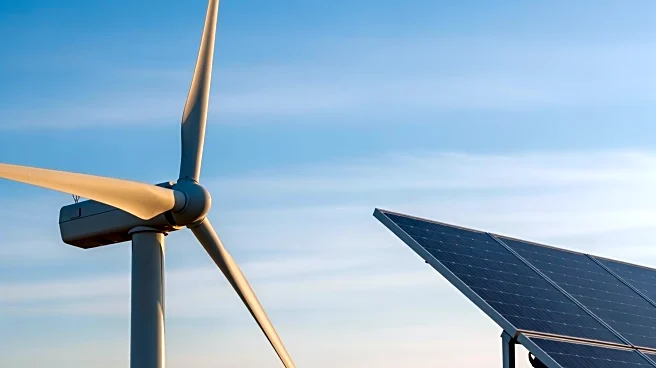
U.S. Energy Secretary Chris Wright, speaking at the World Economic Forum in Davos, called for a more than doubling of global oil production. He criticized the European Union and California for investing in what he termed inefficient green energy initiatives.
Wright emphasized the continued reliance on oil for decades, despite global efforts to transition to lower-carbon energy sources. He also highlighted regulatory challenges posed by the EU's environmental policies, which could impact U.S. gas exports to Europe.
Why It's Important?
Wright's call for increased oil production underscores the ongoing debate between fossil fuel reliance and the transition to renewable energy. His remarks highlight the tension between economic growth and environmental sustainability, as well as the geopolitical implications of energy policies. The push for increased oil output could influence global energy markets, affecting prices and supply chains. It also raises questions about the U.S.'s commitment to international climate goals and the balance between energy security and environmental responsibility.
What's Next?
The U.S. may engage in diplomatic efforts to address regulatory barriers with the EU, aiming to facilitate smoother energy trade. Wright's stance could lead to policy discussions within the U.S. regarding the balance between supporting traditional energy sectors and investing in renewable technologies. The global response to his call for increased oil production will be critical, as it could shape future energy strategies and international collaborations on climate change.