







What's Happening?
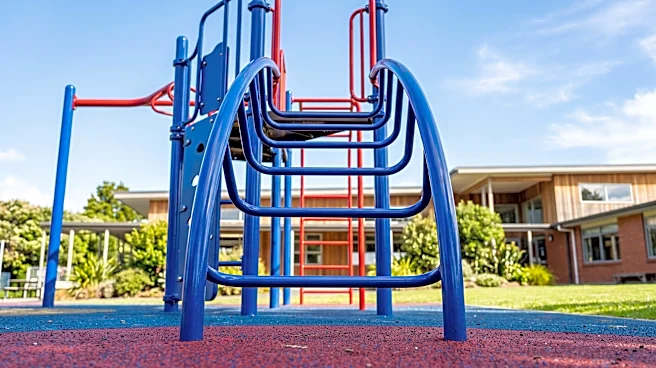
Schools in Lewiston, Maine, including Montello Elementary School, are increasing daily recess time for students, particularly those in kindergarten through third grade. This initiative aims to provide more opportunities for physical activity and social
interaction. Educators and administrators report that these additional breaks are leading to improved student focus, better classroom behavior, and enhanced social skills. For instance, Montello Elementary added 20 minutes of play per day for its younger students, resulting in a decrease in office referrals. The decision is supported by studies from the U.S. Centers for Disease Control and Prevention, which indicate that recess boosts physical activity, memory, attention, and reduces disruptive behavior. Maine law mandates at least 30 minutes of recess for kindergarten through fifth grade, and some schools are now exceeding this requirement.
Why It's Important?
The implementation of extended recess periods in Lewiston schools highlights a growing recognition of the critical role physical activity and unstructured play have in child development and academic success. This trend could influence educational policies across the U.S., as other districts observe the positive outcomes in Maine. The emphasis on outdoor play also addresses concerns about increased screen time and its potential negative impact on children's physical and motor skills. By fostering better social skills and conflict resolution through play, schools are investing in the holistic development of students, potentially leading to a more positive and productive learning environment. This approach could also reduce the burden on teachers by minimizing behavioral issues in the classroom.
What's Next?
The long-term impact of these additional recess breaks in Lewiston is still under evaluation, but initial responses are positive. The Maine chapter of Say YES to RECESS is advocating for two 30-minute recess periods statewide, suggesting a potential for broader policy changes in Maine and possibly inspiring similar movements in other states. Educators are also encouraged to integrate more movement throughout the school day, beyond just recess, to further support student well-being and learning. Future discussions will likely focus on how to sustain these initiatives and potentially expand them to more grade levels, as well as how to ensure outdoor play even during inclement weather.
Beyond the Headlines
This shift towards more recess time reflects a deeper understanding of child psychology and pedagogy, moving beyond a purely academic focus to embrace the developmental benefits of play. It challenges the traditional view that more classroom time automatically equates to better learning outcomes. The initiative also underscores societal concerns about children's decreasing physical activity and increasing reliance on digital devices. By prioritizing outdoor play, schools are not only improving academic performance but also fostering resilience, creativity, and social-emotional intelligence, which are crucial for navigating a complex world. This could lead to a re-evaluation of educational priorities and resource allocation in schools nationwide.