






What's Happening?
Millions of dollars from the settlement of the 2015 Aliso Canyon gas leak are now available to residents in the affected Los Angeles area to replace gas-powered appliances with electric alternatives. The initial allocation makes $20 million available,
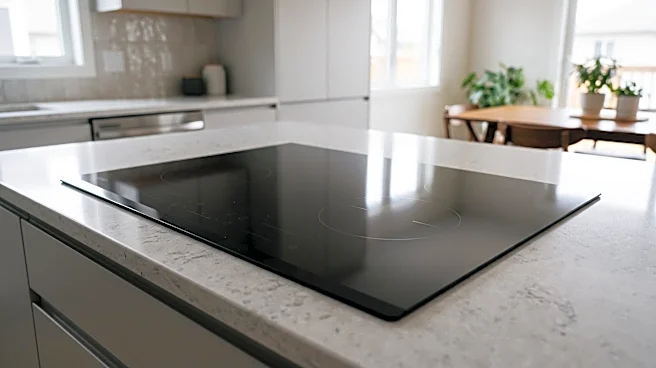
with a total of $40 million planned for the program. These funds are intended to help home and building owners install heat pumps, electric stoves, water heaters, and other electric appliances. Evan Kamei, director of TECH Clean California, a state program assisting in the distribution of these funds, stated that these incentives aim to create healthier homes, reduce energy costs, provide cooling, and generate local jobs. Single-family homeowners in the affected area are eligible, with additional funding available for income-qualifying residents. Access for multi-property owners will be introduced later.
Why It's Important?
This initiative is a significant step towards mitigating the long-term health and environmental impacts of the Aliso Canyon gas leak, which sickened thousands and released nearly 100,000 tons of methane. By incentivizing the transition from gas to electric appliances, the program addresses both indoor air quality concerns—as gas stoves release pollutants linked to asthma and cancer—and broader climate change issues, given methane's potency as a greenhouse gas. The program also aims to lower energy costs for residents and create local jobs, providing economic benefits alongside environmental and health improvements. This move could serve as a model for other communities facing similar environmental challenges, demonstrating a tangible way to use settlement funds for sustainable and health-conscious infrastructure upgrades.
What's Next?
The program will continue to roll out the remaining $20 million in incentive funding, with plans to extend eligibility to multi-property owners. Organizations like Copper, a California startup selling electric induction stoves, are actively involved in distributing the settlement money, recognizing the cultural attachment many people have to gas cooking. The availability of incentives, particularly for income-qualified residents who can receive up to $31,800 for electric installations, is expected to drive significant adoption of electric appliances. This transition will be closely monitored for its effectiveness in improving public health outcomes and reducing carbon emissions in the region. The success of this program could influence future policy decisions regarding appliance electrification and environmental remediation efforts nationwide.
Beyond the Headlines
The Aliso Canyon gas leak and its aftermath highlight the critical need for robust infrastructure oversight and the profound impact of environmental disasters on public health and community well-being. The settlement's focus on electrification underscores a growing recognition of the health hazards associated with indoor gas combustion and the environmental benefits of transitioning to electric energy sources. This initiative also touches upon the broader energy transition movement, where states like California are leading efforts to decarbonize buildings and reduce reliance on fossil fuels. The cultural attachment to gas cooking, as noted by industry experts, presents a challenge that innovative solutions and incentives aim to overcome, signaling a shift in consumer behavior and appliance technology towards a more sustainable future.