





What's Happening?
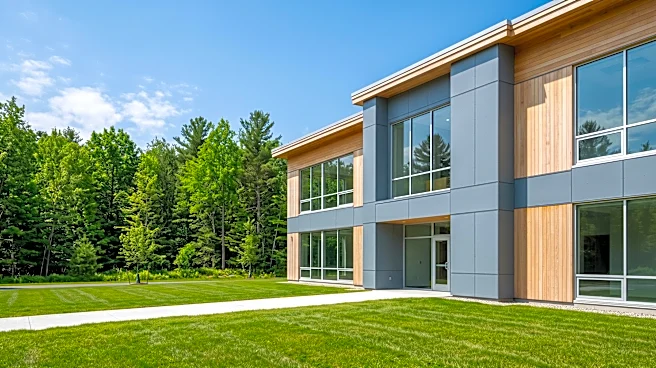
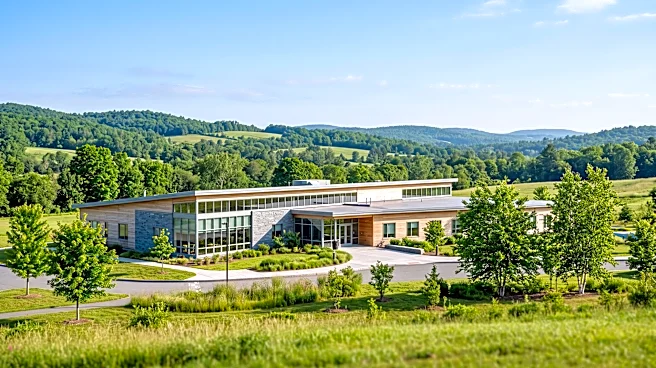
A new 20-bed low-barrier shelter, named the Patrick and Marcelle Leahy Shelter and Resource Center, has opened in White River Junction, Vermont. This $10 million facility aims to provide crucial support for the area's unhoused population. The Upper Valley
Haven will operate the shelter, which features multiple pods per room and will be open year-round. A daily morning lottery will determine bed assignments. Beyond providing immediate shelter, the facility includes resource rooms on its first floor dedicated to healthcare programs, substance use counseling, and long-term housing assistance. Advocates emphasize the importance of these services, particularly for individuals with disabilities experiencing homelessness. Public and private fundraising covered the construction costs, with a $2 million earmark from former Senator Patrick Leahy contributing to the overall funding, which also secures operating costs for the next five years. The shelter is projected to provide over 5,000 bed nights annually and is expected to begin welcoming guests in the coming weeks.
Why It's Important?
The opening of the Patrick and Marcelle Leahy Shelter and Resource Center is a significant development for addressing homelessness in Vermont, particularly in the White River Junction area. The facility's low-barrier approach and comprehensive resource offerings are crucial for individuals who may face significant obstacles in accessing traditional housing and support services. By integrating healthcare, substance use counseling, and housing assistance directly within the shelter, it aims to provide holistic support that can lead to long-term stability rather than just temporary relief. The substantial investment of $10 million, including a significant contribution from former Senator Leahy, underscores the recognition of the urgent need for such facilities. This initiative not only provides immediate shelter but also seeks to break cycles of homelessness by offering pathways to recovery and permanent housing, thereby improving public health outcomes and reducing strain on emergency services in the region.
What's Next?
The Patrick and Marcelle Leahy Shelter and Resource Center is set to begin welcoming guests in the coming weeks. The Upper Valley Haven, the organization managing the shelter, will implement a daily morning lottery system for bed assignments. The focus will be on establishing and expanding partnerships with various community organizations to ensure that guests have easy access to the integrated services offered on the first floor, including healthcare, substance use counseling, and long-term housing assistance. The $2 million earmark from former Senator Leahy will cover operating costs for the next five years, providing a stable foundation for the shelter's initial operations. Future efforts will likely involve continuous evaluation of the shelter's effectiveness in transitioning individuals out of homelessness and into stable living situations, potentially leading to further funding initiatives or expansion of services based on demonstrated success and community needs.
Beyond the Headlines
The establishment of the Patrick and Marcelle Leahy Shelter and Resource Center highlights a broader societal shift towards more comprehensive and integrated approaches to addressing homelessness. Beyond simply providing a roof, the emphasis on resource rooms for healthcare, substance use counseling, and long-term housing assistance reflects an understanding that homelessness is often a symptom of deeper, interconnected issues. This model acknowledges the complex needs of unhoused individuals, many of whom may be grappling with disabilities, mental health challenges, or substance use disorders. The naming of the shelter after former Senator Patrick Leahy also underscores the role of political figures in advocating for and securing funding for social welfare initiatives. This project could serve as a blueprint for other communities struggling with homelessness, demonstrating the effectiveness of combining immediate shelter with robust support services to foster long-term stability and improve the overall well-being of vulnerable populations.