






What's Happening?
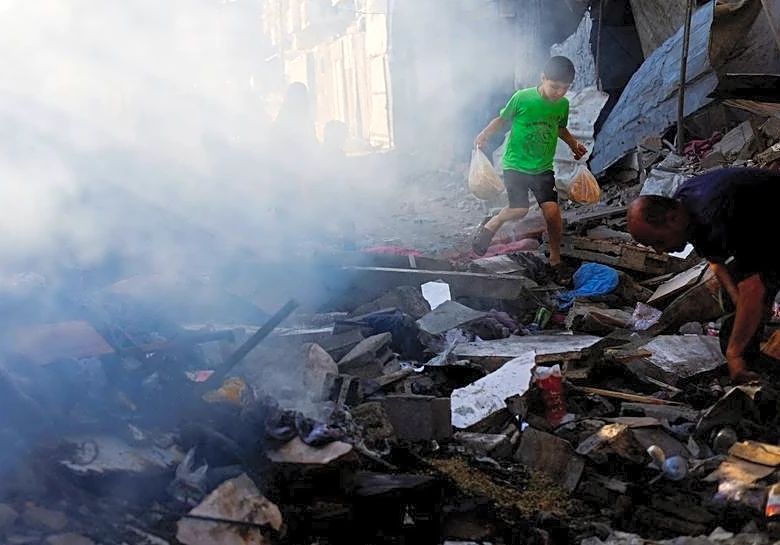
The Ebola outbreak in the Democratic Republic of the Congo (DRC) is spreading rapidly, prompting the World Health Organization (WHO) to raise its risk assessment to 'very high.' The outbreak has resulted in nearly 750 suspected cases and 177 suspected deaths.
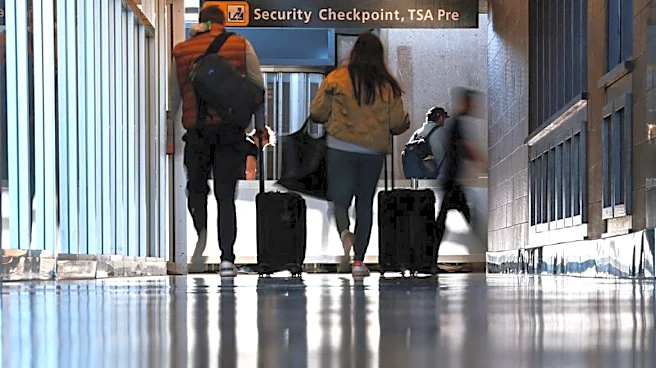
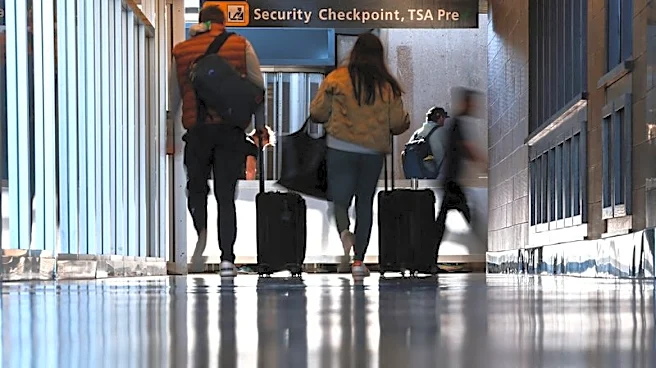
In response, the U.S. has implemented travel restrictions for individuals without American passports who have been in the DRC, South Sudan, or Uganda in the past three weeks. The Centers for Disease Control and Prevention (CDC) is coordinating with airlines and international partners to manage travelers potentially exposed to the virus. An American doctor working in the DRC has tested positive for Ebola and is receiving treatment in Germany.
Why It's Important?
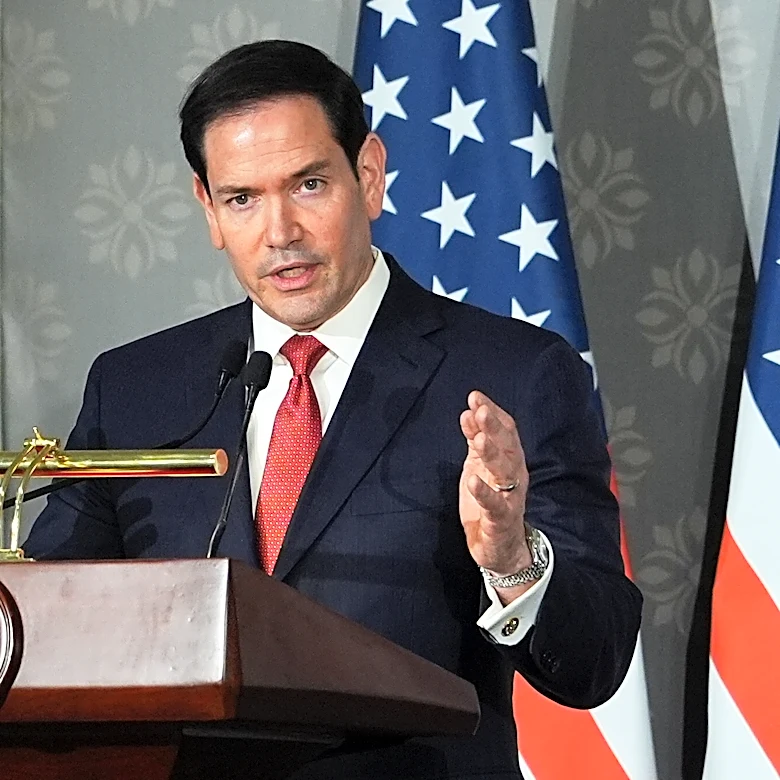
The rapid spread of the Ebola outbreak in the DRC poses a significant public health threat, with potential implications for global health security. The U.S. travel restrictions reflect the seriousness of the situation and the need to prevent the virus from spreading internationally. The involvement of American citizens, including healthcare workers, highlights the global nature of the response required to manage the outbreak. The financial commitment from the U.S. to support crisis response efforts in the DRC and Uganda underscores the importance of international cooperation in addressing the epidemic.
What's Next?
The CDC and other international health organizations will continue to monitor the situation closely, implementing measures to prevent further spread of the virus. Efforts to develop a vaccine for the Bundibugyo strain may be accelerated, with research and trials potentially prioritized. The U.S. and other countries may increase their financial and logistical support to the DRC and neighboring regions to bolster containment and treatment efforts. Ongoing communication and coordination among global health entities will be crucial in managing the outbreak and preventing a wider epidemic.