



What's Happening?
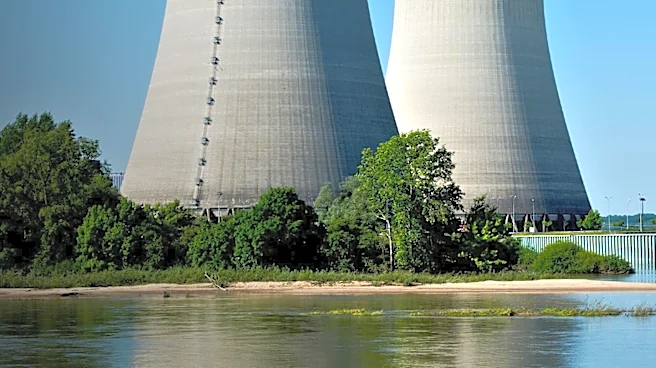
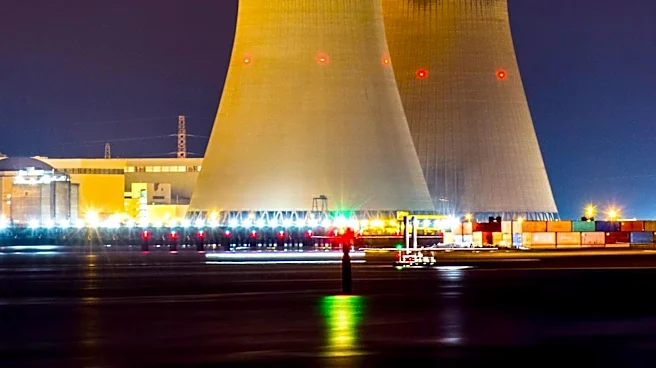
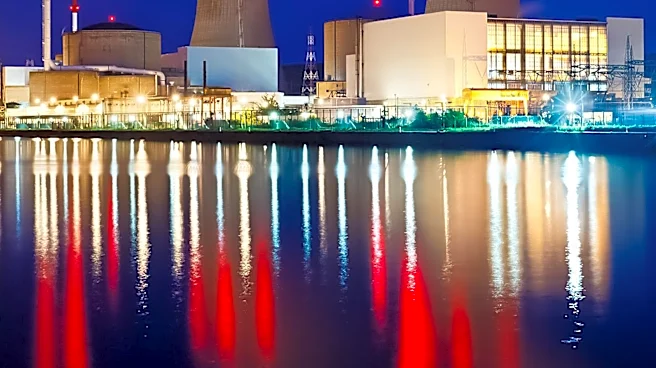
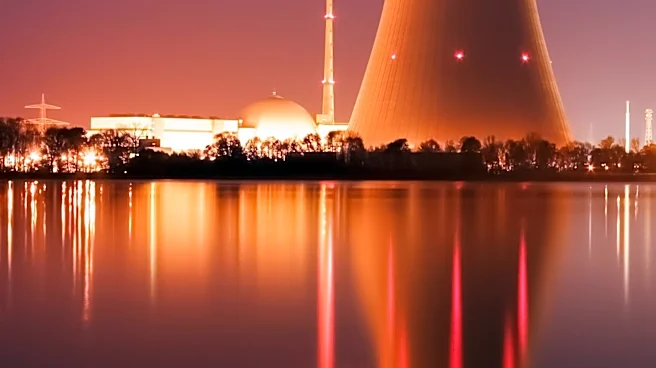
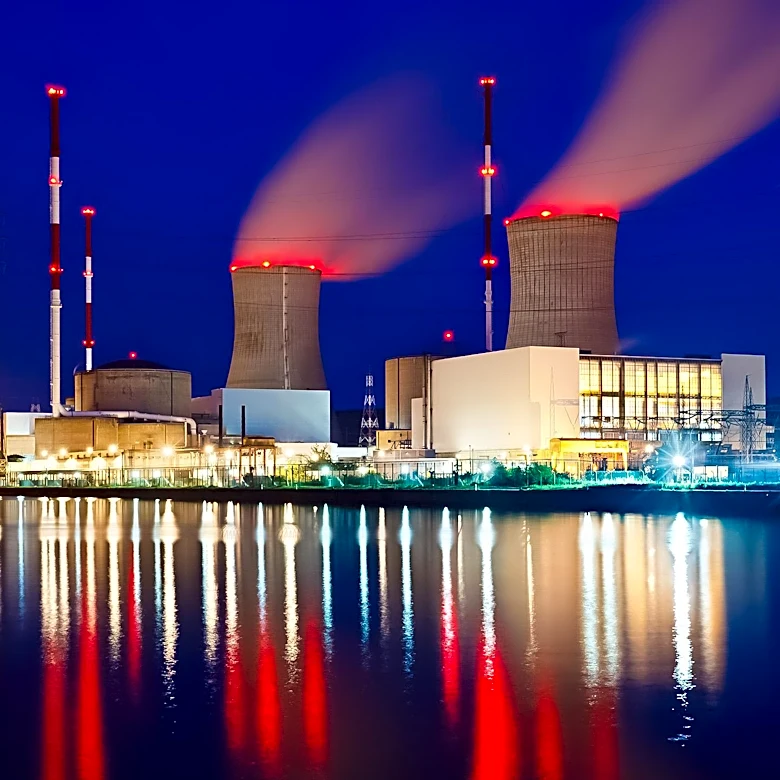
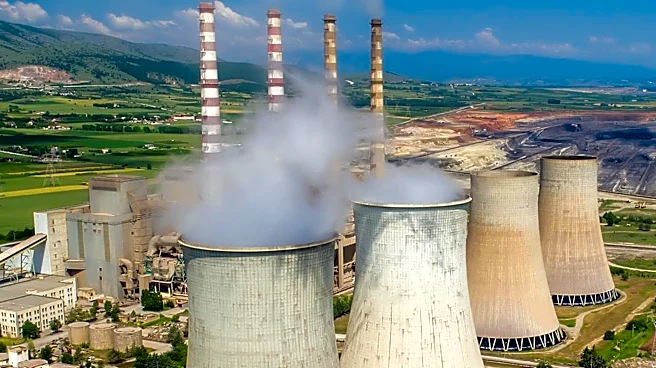
Record low water levels in the Danube River are causing significant energy challenges in Central and Eastern Europe. The drought and heat waves have reduced the river's levels, impacting power plants that rely on the Danube for cooling. Hungary's Paks
nuclear plant, which provides nearly half of the country's electricity, is on the brink of shutdown due to insufficient water for cooling. Similar issues are affecting Romania and Serbia, where power generation has dropped, and governments are urging citizens to conserve electricity.
Why It's Important?
The situation highlights the vulnerability of energy infrastructure to climate-related changes, such as droughts and heat waves. The potential shutdown of major power plants could lead to energy shortages, affecting industries and households. This crisis underscores the need for countries to diversify their energy sources and invest in sustainable solutions to mitigate the impacts of climate change. The reliance on a single natural resource for energy production poses significant risks, prompting a reevaluation of energy policies and strategies.
What's Next?
Governments in the affected regions are implementing conservation measures and seeking alternative energy sources to address the immediate crisis. Long-term, there may be increased investment in renewable energy and infrastructure improvements to enhance resilience against climate impacts. The situation could also lead to greater regional cooperation in energy management and policy development to prevent similar crises in the future.