



What's Happening?
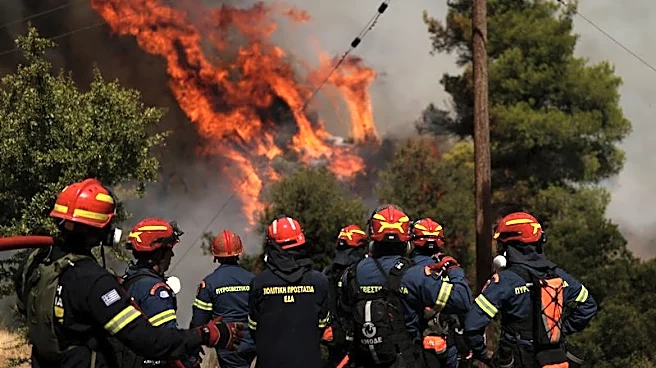
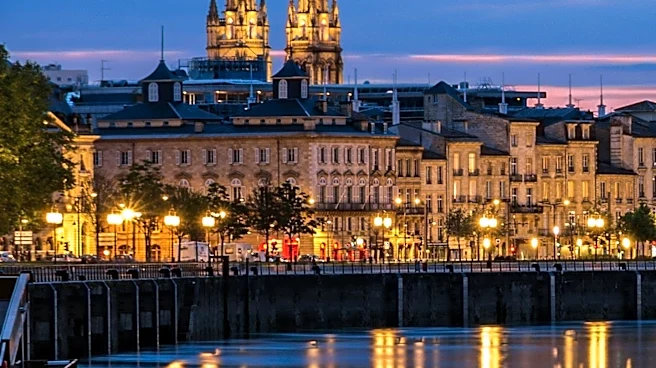
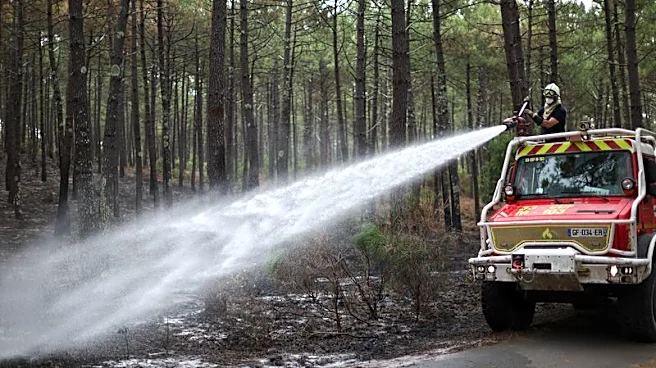
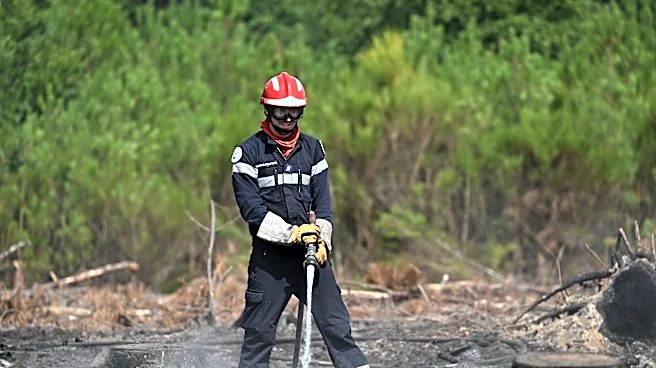
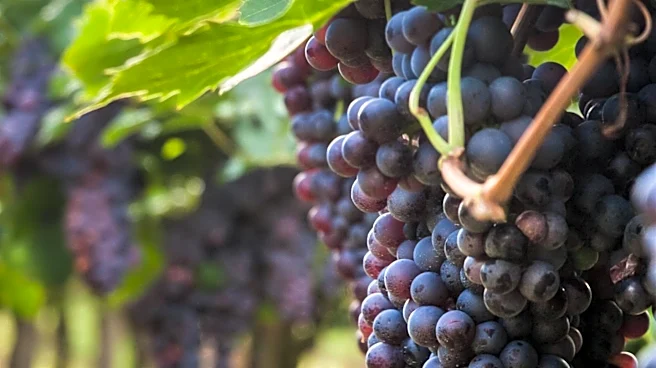
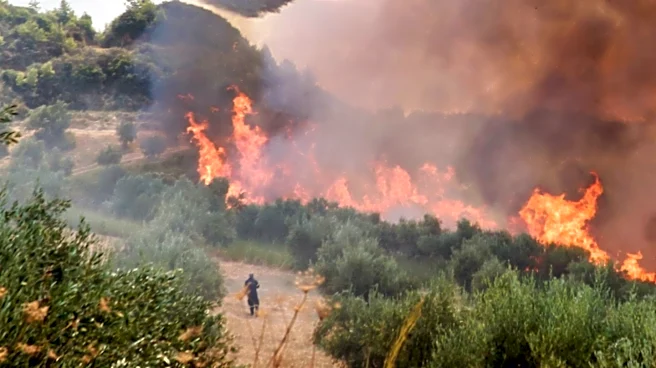
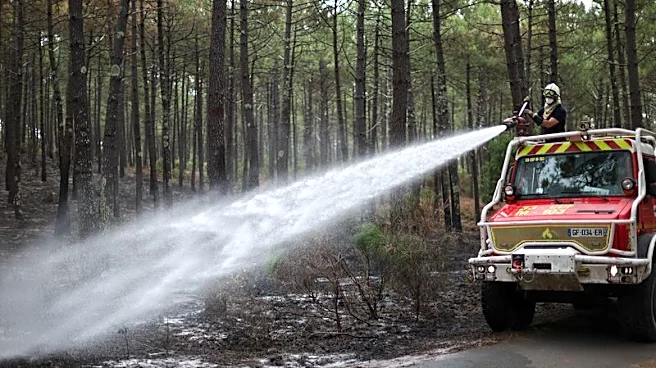
Bordeaux vineyards in France are preparing for an early harvest as ongoing heatwaves and nearly two months without rain have caused grapes to shrink. Although the vineyards narrowly avoided destruction from wildfires, the extreme weather conditions have accelerated
the ripening process, affecting the 2026 vintage. The situation is part of a broader pattern of climate change impacting agriculture across Europe, with record temperatures and prolonged dry spells reshaping traditional growing seasons.
Why It's Important?
The challenges faced by Bordeaux vineyards highlight the broader impact of climate change on agriculture, particularly in wine-producing regions. The early harvest and reduced grape size could affect wine quality and production levels, impacting the local economy and global wine markets. The situation underscores the need for adaptation strategies in agriculture, such as adopting drought-resistant grape varieties and improving irrigation practices, to cope with increasingly unpredictable weather patterns.
Beyond the Headlines
The changing climate is forcing wine producers to rethink traditional practices, with potential long-term implications for the industry. As Europe warms at twice the global average, vineyards may need to adjust to new growing conditions, which could alter the flavor profiles of wines. The situation also raises concerns about food security and rural economies, as extreme weather events become more frequent and severe.