

What's Happening?
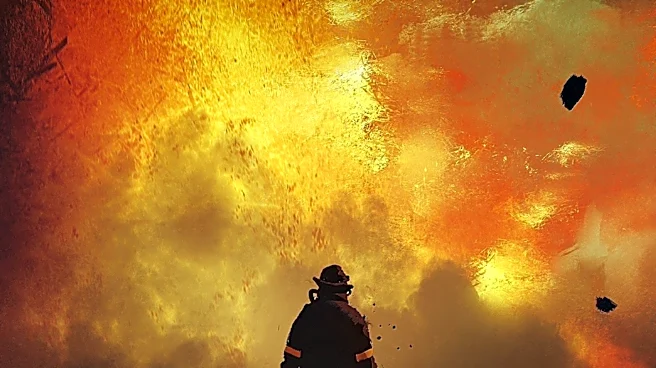
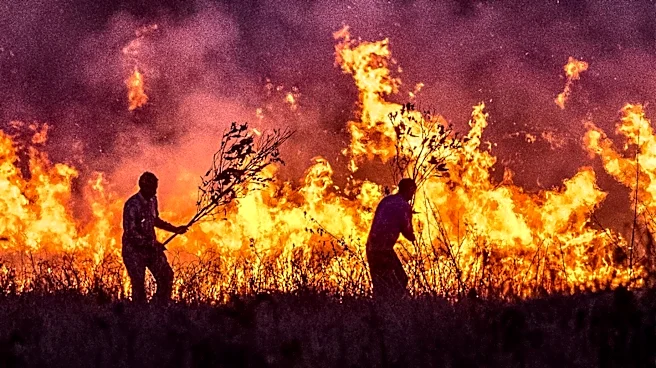
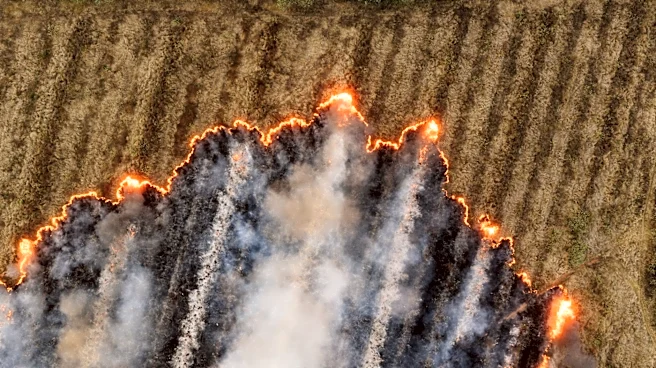
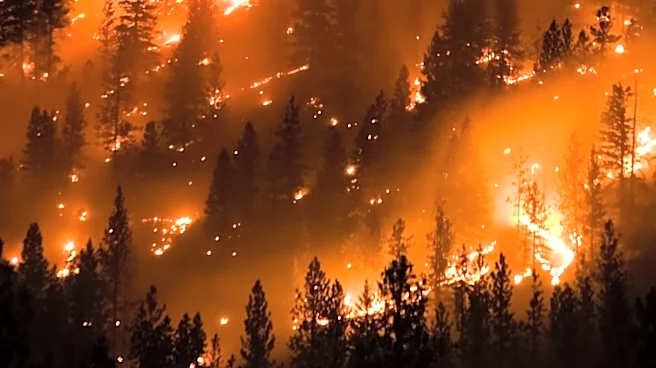
A new wildfire, named the Salt Wells Fire, ignited overnight and is rapidly growing in a remote area of Box Elder County, Utah. As of early Friday, officials reported that the fire is estimated to have spread across 400-800 acres in the Hansel Valley.
Utah Fire Info confirmed the rapid expansion of the blaze. Fortunately, there are currently no structures threatened by the fire, and no evacuation orders have been issued for residents in the vicinity. The cause of the Salt Wells Fire has not yet been determined, and authorities are investigating to ascertain how the blaze began. Local news outlets, including fox13now.com and FOX News, are providing ongoing updates on the situation as it develops.
Why It's Important?
The rapid growth of the Salt Wells Fire underscores the persistent threat of wildfires in Utah, particularly in remote and dry areas. While no structures are immediately threatened, the expansion of such fires can quickly lead to significant environmental damage, including the destruction of natural habitats and potential long-term impacts on local ecosystems. Large wildfires also strain emergency resources, requiring the deployment of firefighters and equipment, which can be costly and divert resources from other potential emergencies. The undetermined cause of the fire highlights the ongoing challenge of preventing wildfires, many of which are human-caused. This event serves as a reminder of the importance of fire safety and vigilance, especially during dry seasons, to protect both natural landscapes and communities from the devastating effects of uncontrolled blazes.
What's Next?
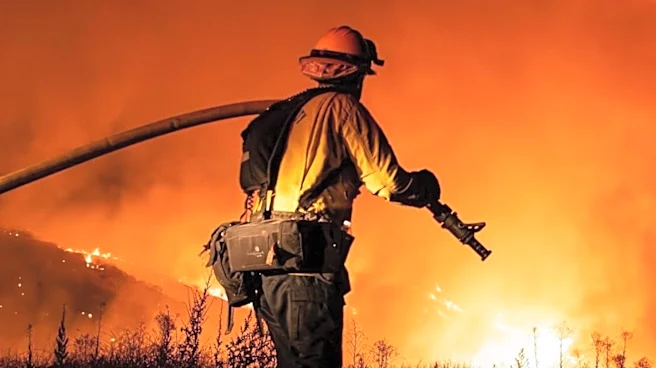
Firefighting crews will continue their efforts to contain the Salt Wells Fire and prevent its further spread. Authorities will focus on establishing containment lines and utilizing aerial resources if necessary to combat the blaze. Investigations into the cause of the fire will proceed, which may involve examining the ignition point and potential human activities in the area. Residents in Box Elder County and surrounding regions should remain vigilant and monitor local news for updates on the fire's status and any potential changes in evacuation orders or air quality alerts. Depending on weather conditions, such as wind and temperature, the fire's behavior could change, necessitating adjustments to firefighting strategies. The long-term recovery efforts for the affected land will also be a consideration once the fire is fully contained.
Beyond the Headlines
The recurring nature of wildfires in Utah and other western states points to broader issues of climate patterns and land management. Extended periods of drought and increased temperatures contribute to drier vegetation, creating conditions ripe for rapid fire spread. This incident, like many others, highlights the need for proactive measures such as controlled burns, improved forest management practices, and public education campaigns on fire prevention. The economic impact of wildfires extends beyond immediate firefighting costs, affecting tourism, agriculture, and local economies through property damage and business disruption. Furthermore, the smoke from wildfires can significantly impact air quality, posing health risks to vulnerable populations. Addressing these deeper implications requires a comprehensive approach involving environmental policy, community preparedness, and sustained investment in fire suppression and prevention technologies.