





What's Happening?
Interpol, the international police organization, announced a two-month operation targeting environmental crimes across Latin America and the Caribbean, resulting in 233 arrests. The crackdown focused on illegal logging, gold mining, and wildlife trafficking
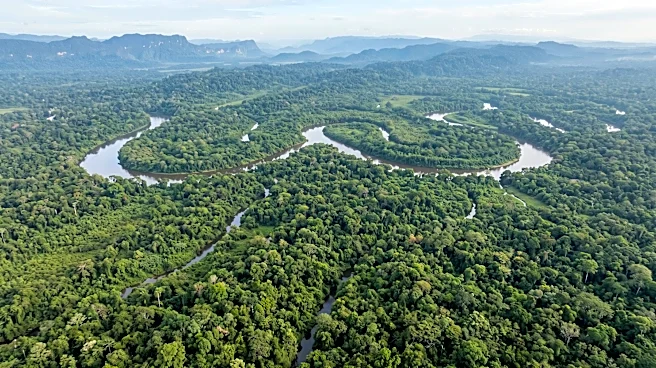
across nine countries, identifying approximately 60,000 hectares (148,000 acres) of illegally cleared forest, an area ten times the size of Manhattan Island. Investigators are increasingly looking beyond individuals directly involved in these activities to the companies, financial networks, and international buyers suspected of profiting from environmental destruction. One investigation originating in Colombia identified 11 foreign companies allegedly involved in clearing over 52,000 hectares (128,500 acres) of protected Amazon forest. Intelligence from this operation revealed connections to an additional 161 companies and 65 individuals across multiple continents. Suspected permit fraud, the use of shell companies, and foreign investment mechanisms were also uncovered. Colombian authorities arrested 16 people and seized digital evidence, while Interpol issued international notices for suspects linked to the network.
Why It's Important?
This Interpol operation highlights the significant and complex nature of environmental crime, demonstrating its global reach and the involvement of sophisticated financial networks. The focus on tracing money flows from illegal activities, such as gold mining in Panama to buyers in North America, Europe, or Asia, is crucial for dismantling these criminal enterprises. This approach moves beyond targeting low-level perpetrators to holding accountable those who finance and profit from environmental destruction. The scale of deforestation, particularly in the Amazon, has severe implications for global climate stability, biodiversity, and indigenous communities. The involvement of foreign companies and international investment mechanisms underscores the need for international cooperation and robust regulatory frameworks to combat these crimes effectively. The U.S., as a major economic power, could be a destination for illegally sourced goods or a base for companies involved in such activities, making this crackdown relevant to its efforts in combating transnational crime and promoting environmental sustainability.
What's Next?
Following the arrests and intelligence gathering, Interpol is expected to continue its efforts to track down and prosecute individuals and entities involved in these environmental crimes. The international notices issued by Interpol will likely lead to further investigations and potential arrests in other countries. The focus on financial networks suggests that future actions will involve collaboration with financial intelligence units and regulatory bodies to freeze assets and disrupt funding channels for these illegal operations. Krandall Gullock, head of Interpol’s Regional Bureau for Central America, emphasized the importance of "following the money" to move beyond physical perpetrators to those who orchestrate and profit from environmental destruction. This indicates a sustained effort to target the higher echelons of these criminal organizations, potentially leading to more significant legal and financial repercussions for companies and individuals across continents.
Beyond the Headlines
The Interpol crackdown on environmental crime reveals a deeper, less obvious implication: the intricate connection between seemingly disparate illegal activities and global financial systems. The use of shell companies and foreign investment mechanisms to launder profits from illegal logging, mining, and wildlife trafficking highlights a systemic vulnerability in international finance. This suggests that combating environmental crime requires not only law enforcement efforts but also a concerted push for greater transparency in financial transactions and corporate ownership. The ethical dimension of consumers and businesses in North America, Europe, and Asia unknowingly or knowingly benefiting from these illicit supply chains also comes into focus. This operation could trigger a broader re-evaluation of due diligence practices in international trade and investment, pushing for more stringent checks on the origins of goods and the legitimacy of business partners to prevent complicity in environmental destruction.