


What's Happening?
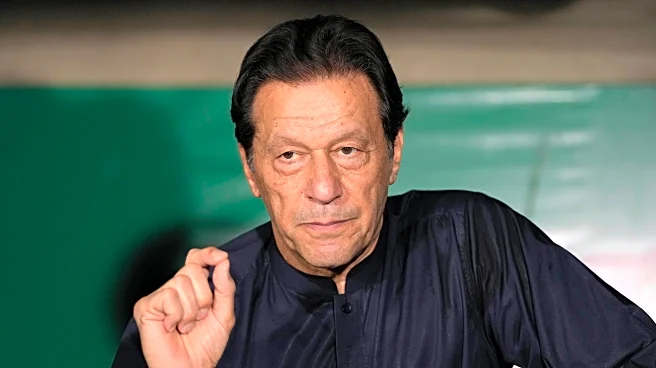
In Pakistan, opposition lawmakers are staging a sit-in outside Parliament, demanding medical attention for former Prime Minister Imran Khan, who is reportedly suffering from a severe eye condition. The protest, led by members of Pakistan Tehreek-e-Insaf
(PTI) and other opposition groups, calls for Khan to receive treatment from his personal doctors. The government has been accused of negligence, although officials claim Khan has been receiving adequate medical care. The situation has led to heightened tensions, with the opposition threatening to continue protests through Ramadan if their demands are not met.
Why It's Important?
The protests highlight the ongoing political tensions in Pakistan, particularly between the government and opposition parties. Imran Khan's health has become a focal point for broader grievances against the current administration. The situation could lead to increased political instability, affecting governance and policy-making in Pakistan. Additionally, the international community may monitor the situation closely, given Pakistan's strategic importance in the region and its role in global geopolitics.
What's Next?
The opposition's continued protests could pressure the government to address their demands, potentially leading to negotiations or concessions. The situation may also escalate if the government fails to respond adequately, resulting in further unrest. The outcome of this standoff could influence Pakistan's political landscape, affecting future elections and the balance of power between political factions.