

What's Happening?
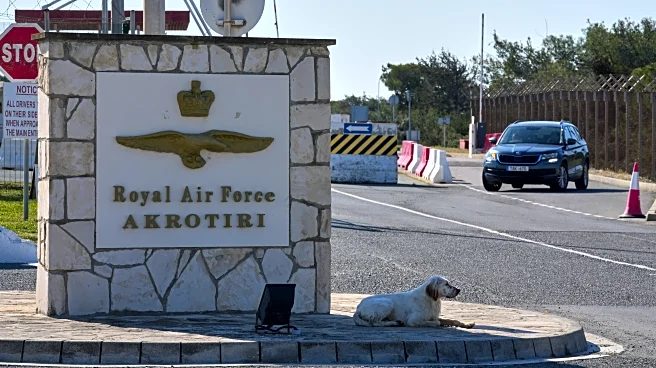
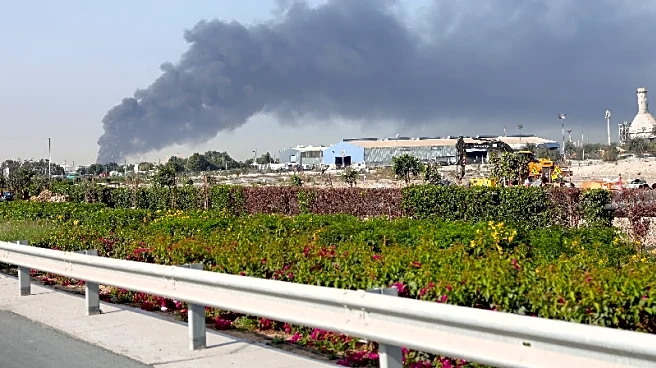
The Cypriot government has officially denied reports of Iranian missile fire targeting the country. This statement follows claims by the U.K.'s defense secretary that two Iranian missiles were directed at Cyprus. The denial comes amidst a backdrop of heightened
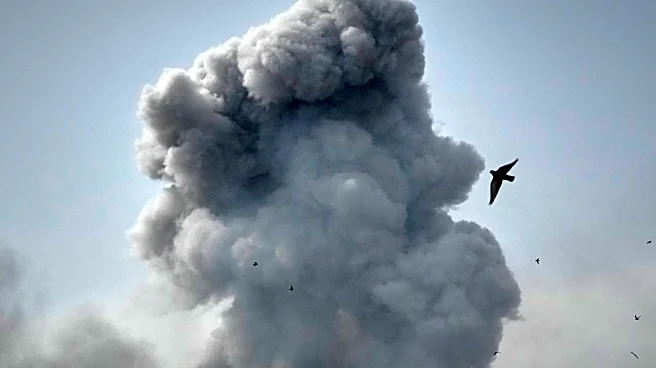
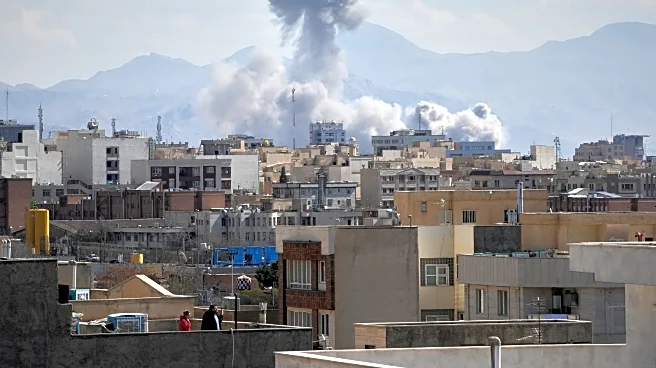
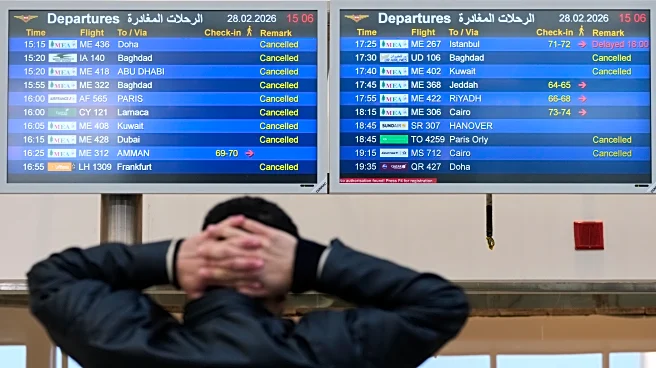
regional tensions, with loud explosions reported in Dubai and Doha for a second consecutive day. Additionally, Oman experienced its first strikes since Iran initiated retaliatory actions. These developments are part of a broader pattern of regional instability following recent military engagements involving Iran.
Why It's Important?
The denial by Cyprus is significant as it highlights the complexities and potential misinformation in the current geopolitical climate. The situation underscores the fragile security environment in the Middle East, where any perceived aggression can escalate tensions further. For Cyprus, maintaining a neutral stance is crucial given its strategic location and the potential implications for its national security. The broader regional instability could impact international relations, trade routes, and energy markets, affecting global stakeholders. The situation also poses challenges for diplomatic efforts aimed at de-escalating tensions in the region.
What's Next?
As the situation develops, international observers will likely focus on verifying claims and counterclaims regarding military actions. Diplomatic channels may be engaged to prevent further escalation and to clarify the events. Regional powers and international organizations might increase their involvement to mediate and stabilize the situation. The potential for further retaliatory actions remains, which could influence military and political strategies in the region. Stakeholders will be closely monitoring the situation to assess risks and adjust their policies accordingly.