



What's Happening?
The Embrace Relief Foundation has initiated the "Herat, Afghanistan Earthquake Relief Campaign" to provide humanitarian assistance to those affected by a recent devastating earthquake in Western Afghanistan. The earthquake, which struck Herat province
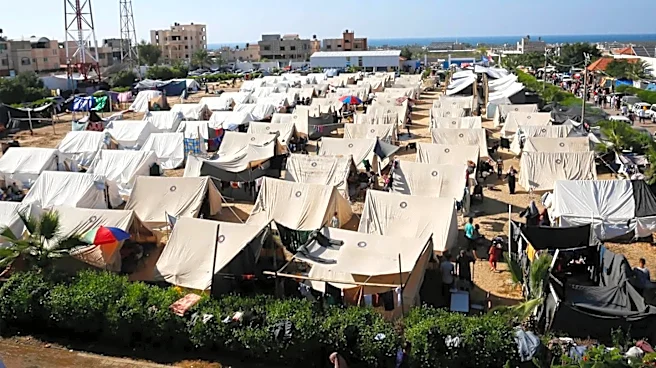
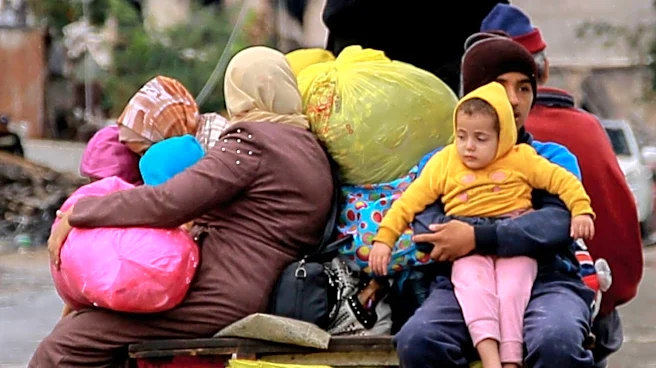
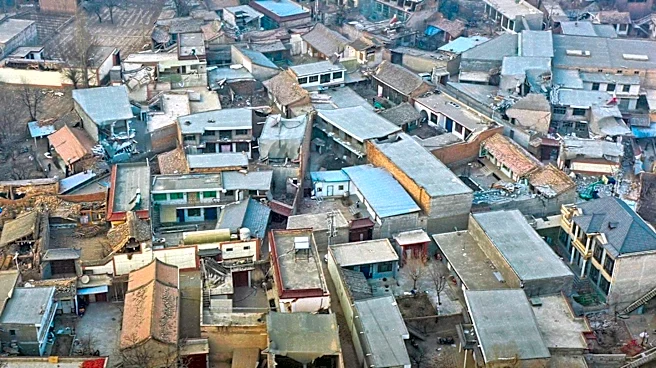
and its districts, has resulted in over 2,000 fatalities and left countless others injured, with thousands of homes destroyed. The campaign aims to deliver immediate relief, including essential provisions such as food, clean water, medical supplies, and shelter to the survivors. Embrace Relief emphasizes that every donation will directly contribute to alleviating the suffering and making a tangible impact on the lives of those impacted by the disaster. The organization highlights the critical need for flexible emergency support to address evolving needs in the aftermath of such crises.
Why It's Important?
This relief effort is crucial for addressing the immediate and dire humanitarian crisis unfolding in Herat, Afghanistan. The scale of the disaster, with thousands of casualties and widespread destruction, underscores the urgent need for external aid to prevent further loss of life and suffering. The provision of basic necessities like food, water, medical care, and shelter is fundamental for the survival and initial recovery of the affected population. Without such interventions, communities already grappling with the aftermath of the earthquake face increased risks of disease, exposure, and prolonged displacement. The campaign's focus on direct aid ensures that contributions translate into tangible support for the most vulnerable, offering a lifeline of hope and demonstrating international solidarity in a time of immense need.
What's Next?
The "Herat, Afghanistan Earthquake Relief Campaign" will continue to solicit donations and deploy resources to the affected regions. The immediate next steps involve the ongoing distribution of food, clean water, medical supplies, and the establishment of temporary shelters. As the initial emergency phase transitions, the focus may shift towards more sustained recovery efforts, including rebuilding infrastructure and providing long-term support for displaced families. The success of these efforts will depend on continued public and international support, as well as effective coordination with local authorities and other humanitarian organizations on the ground. The campaign will likely adapt its strategy as the needs of the survivors evolve and new challenges emerge in the coming weeks and months.
Beyond the Headlines
The earthquake in Herat, Afghanistan, highlights the broader vulnerability of regions prone to natural disasters, particularly those with existing socio-economic challenges. Beyond the immediate humanitarian response, this event underscores the critical importance of disaster preparedness and resilient infrastructure in mitigating the impact of such catastrophes. The long-term implications for the affected communities will include not only physical reconstruction but also addressing psychological trauma, economic disruption, and potential displacement. The international community's response to this crisis can also serve as a case study for effective humanitarian aid delivery in complex environments, emphasizing the need for sustained engagement and comprehensive recovery strategies that extend beyond immediate relief to foster long-term stability and development.