
What's Happening?
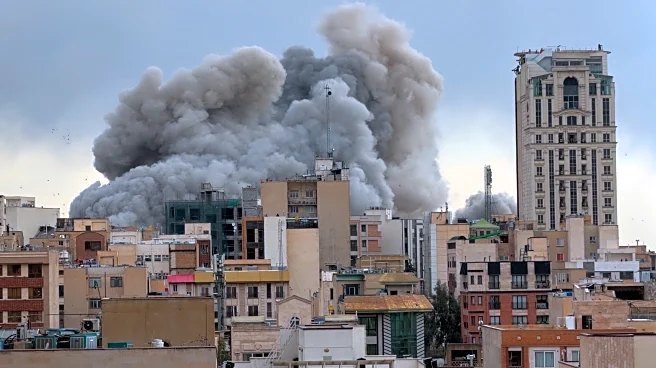
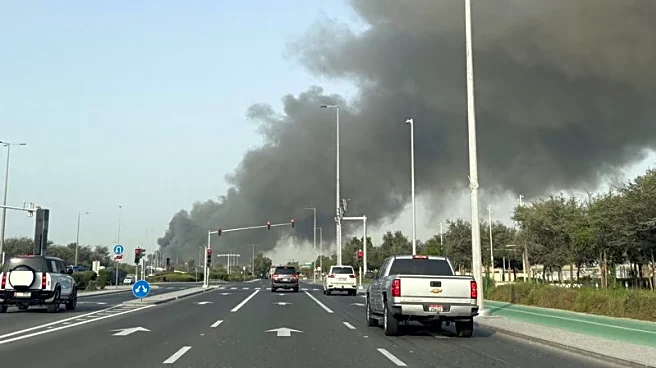
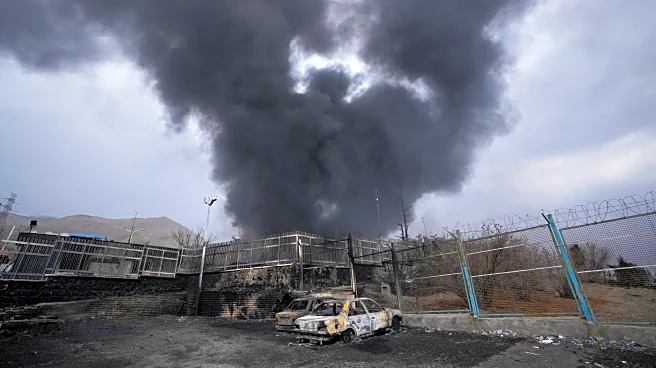
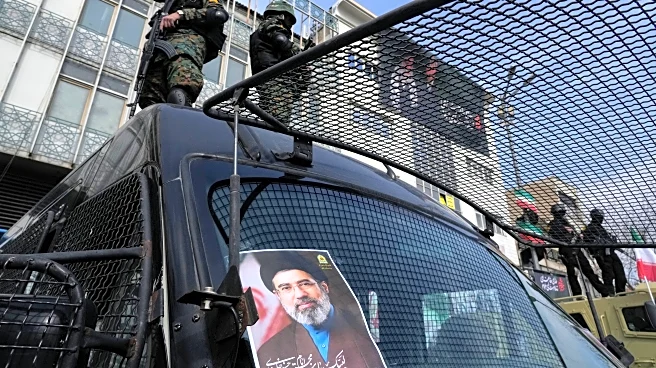
The ongoing conflict with Iran has significantly impacted the global economy, primarily through a dramatic increase in oil prices. Following missile strikes by the U.S. and Israel that resulted in the death of Iranian leader Ayatollah Ali Khamenei, the Strait
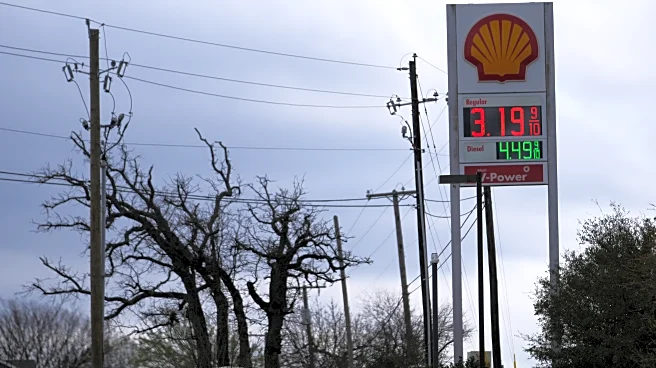
of Hormuz, a critical passage for global oil shipments, has been effectively shut down. This closure has caused oil prices to surge from under $70 to nearly $120 per barrel, before stabilizing around $90. The increase in oil prices has led to a rise in gasoline costs, with the average U.S. price reaching $3.48 per gallon. The conflict has also disrupted fertilizer exports, which could lead to higher food prices globally. Economists are concerned about the potential for increased inflation and economic slowdown, as central banks face the dilemma of whether to raise interest rates to combat inflation or lower them to stimulate economic growth.
Why It's Important?
The conflict's impact on oil prices is a significant concern for the global economy, as it threatens to exacerbate inflation and slow economic growth. Higher energy costs are particularly challenging for energy-importing countries, including many in Europe and Asia, which could face economic strain. In the U.S., while the country may benefit from being a net energy exporter, consumers are likely to feel the pinch of higher gasoline prices, which could affect spending and economic activity. The situation also poses a challenge for central banks, including the Federal Reserve, as they navigate the complex task of balancing inflation control with economic support. The potential for prolonged high oil prices could lead to sustained inflationary pressures, reminiscent of the economic challenges faced during the 1970s oil crisis.
What's Next?
The future of the conflict and its economic implications remain uncertain. President Trump has indicated a desire for a swift resolution, but the situation is complicated by the appointment of Mojtaba Khamenei, a hardliner, as Iran's new leader. The reopening of the Strait of Hormuz is critical to stabilizing oil prices and alleviating economic pressures. Central banks will continue to monitor the situation closely, with potential interest rate adjustments on the horizon depending on the conflict's duration and impact on inflation. The global economy's resilience will be tested as it navigates these challenges, with the potential for significant shifts in economic policy and international relations.
Beyond the Headlines
The conflict highlights the vulnerability of global supply chains and the interconnectedness of international economies. The disruption in oil and fertilizer supplies underscores the importance of diversifying energy sources and supply routes to mitigate the impact of geopolitical tensions. Additionally, the situation raises questions about the long-term sustainability of current economic models that heavily rely on fossil fuels. The crisis may accelerate discussions on energy independence and the transition to renewable energy sources, as countries seek to reduce their exposure to volatile geopolitical events.