







What's Happening?
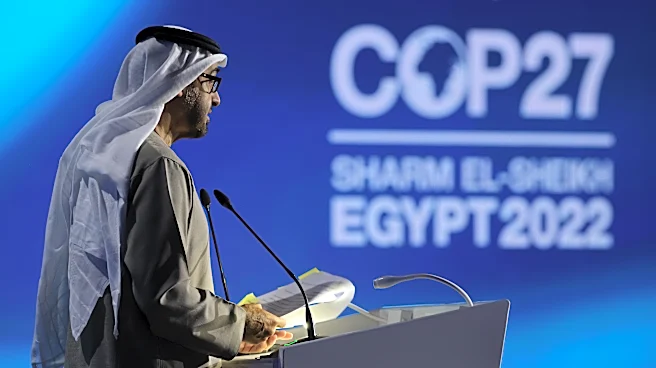
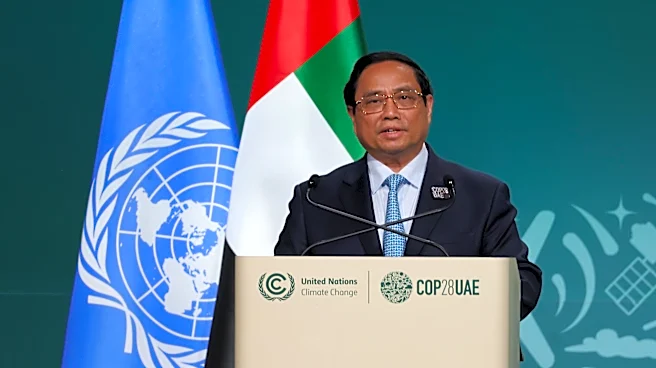
The United Nations Capital Development Fund (UNCDF) officially launched LoCAL+, the next generation of its Local Climate Adaptive Living Facility (LoCAL), at COP31. This new initiative aims to unlock private climate finance and provide innovative solutions
for scaling locally led climate adaptation efforts, expanding access to investment finance at the subnational level. Building on LoCAL's established model of performance-based climate grants and support for local governments, LoCAL+ introduces a new market finance window. This window is designed to mobilize additional public and private capital for climate-resilient investments in municipalities and other subnational entities. According to Justine Audrain, LoCAL+ Global Manager at UNCDF, the program combines a proven approach with UNCDF's investment structuring and de-risking capabilities to strengthen subnational financing systems. The initiative seeks to address the persistent challenge that local governments, despite being at the forefront of climate change impacts, often lack sufficient access to resources and investment capacities to respond and adapt effectively. Since 2014, the LoCAL facility has mobilized over $330 million for climate adaptation, supported more than 400 local governments, and enabled 2,500 climate adaptation investments, reaching over 20 million people indirectly.
Why It's Important?
The launch of LoCAL+ is a significant development in addressing the critical gap in climate finance for local communities. Historically, less than 17% of international adaptation finance between 2017 and 2021 reached projects specifically focused on local communities, highlighting a major market-system deficiency. Local governments are uniquely positioned to identify and implement effective climate adaptation measures, as they understand the specific risks faced by their communities. By providing a new market finance window and leveraging UNCDF's expertise in de-risking investments, LoCAL+ aims to attract private capital to these essential subnational projects. This initiative can empower local authorities to build resilience, invest in climate-resilient infrastructure, improve water management, and support sustainable agriculture. The success of LoCAL+ could serve as a model for other regions, demonstrating how targeted financial mechanisms can bridge the funding gap and ensure that climate action is implemented effectively at the grassroots level, ultimately protecting vulnerable populations and fostering sustainable development.
What's Next?
LoCAL+ will focus on working with participating countries and financing partners in underserved markets to enhance subnational market readiness. This includes developing and aggregating climate-resilient investment opportunities and deploying UNCDF's de-risking capabilities to mobilize additional resources. The program aims to strengthen subnational financing systems, ensuring a more consistent flow of capital for local adaptation. Ministers and senior delegates from countries like Cambodia, Liberia, Malawi, Nepal, and Uganda have volunteered as LoCAL+ Champions, indicating a commitment to expanding financing and partnerships for locally led adaptation. The UNCDF remains dedicated to building sustainable subnational financing systems capable of attracting and deploying climate investment at scale for communities most vulnerable to climate change. The initiative will seek to connect local adaptation priorities with financing institutions and explore catalytic financial instruments, such as concessional financing, guarantees, and other risk-sharing solutions, to overcome existing barriers to funding.
Beyond the Headlines
The introduction of LoCAL+ signifies a growing recognition of the importance of decentralized climate action and the need to empower local governments. This shift acknowledges that top-down approaches to climate finance often fail to reach the communities most affected by climate change, leading to inefficiencies and missed opportunities for effective adaptation. The emphasis on mobilizing private capital through de-risking mechanisms also highlights a broader trend in climate finance, where public funds are increasingly used to leverage larger private investments. However, this approach also raises questions about equitable access to finance, as private investors typically seek returns, which might not align with the most urgent social and environmental needs of vulnerable communities. The success of LoCAL+ will depend not only on its ability to attract capital but also on its capacity to ensure that investments genuinely benefit local populations and contribute to long-term resilience, rather than simply generating profits. This initiative could set a precedent for how international development organizations facilitate climate finance, fostering greater local ownership and accountability in climate action.