



What's Happening?
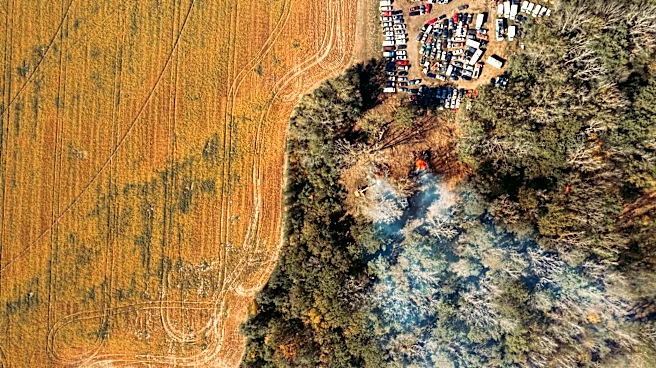
The National Weather Service has issued a warning regarding the heightened risk of flooding and mudslides in areas affected by burn scars in Colorado. This warning follows recent tests conducted in the Aspen Acres Fire burn area, which aim to predict
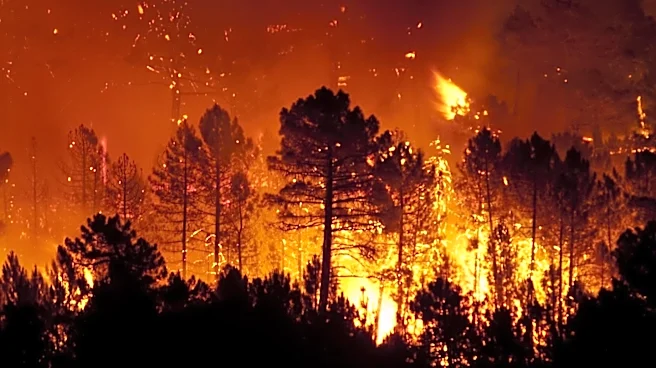
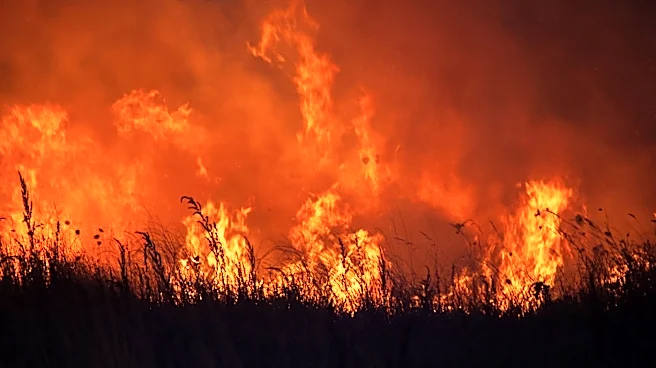
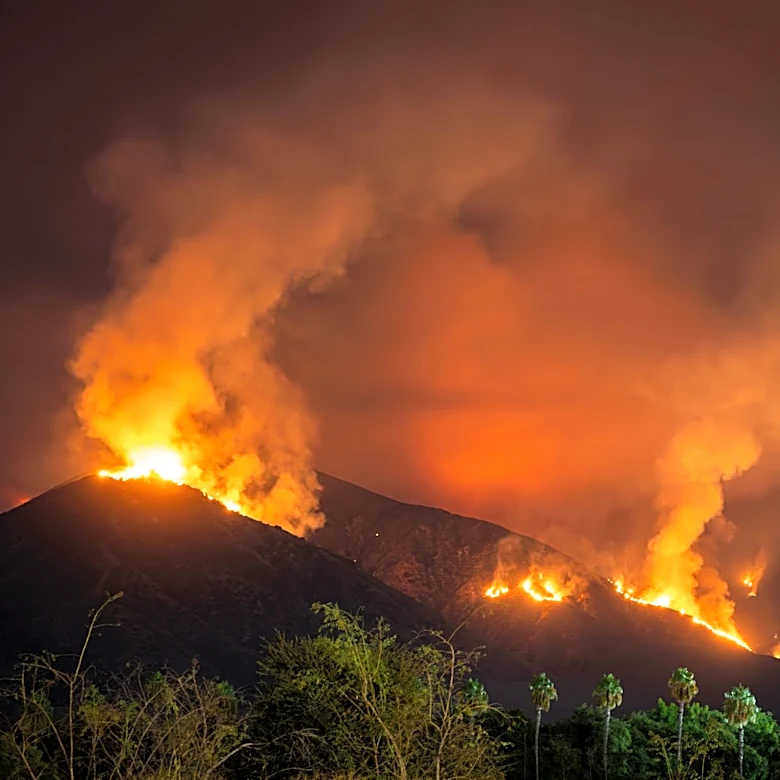
the severity of potential flooding issues. Burn scars, which are areas of land that have been severely damaged by wildfires, are particularly vulnerable to flooding and mudslides due to the loss of vegetation that would normally absorb rainfall. The lack of vegetation can lead to rapid runoff and increased erosion, exacerbating the risk of mudslides. The tests conducted by the National Weather Service are part of ongoing efforts to better understand and mitigate the risks associated with these natural disasters in burn scar regions.
Why It's Important?
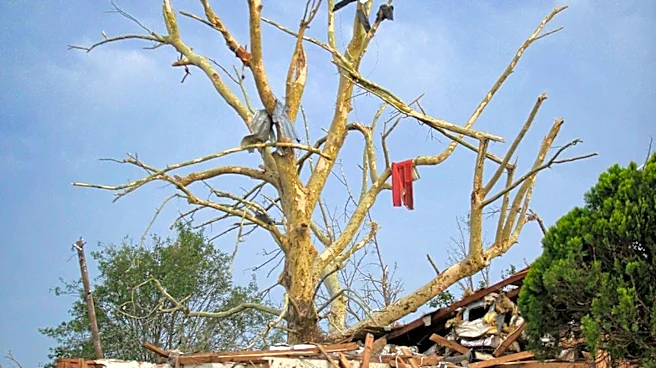
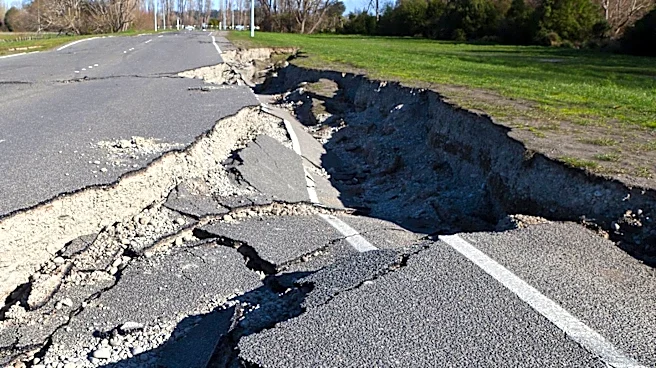
The increased risk of flooding and mudslides in burn scar areas poses significant challenges for emergency management and local communities in Colorado. These natural disasters can lead to property damage, road closures, and potential loss of life, making it crucial for residents and authorities to be prepared. The situation highlights the broader impact of climate change, which is contributing to more frequent and severe wildfires, thereby increasing the number of burn scar areas. As these areas become more common, the need for effective disaster response and mitigation strategies becomes more pressing. The National Weather Service's efforts to predict and communicate these risks are vital for ensuring public safety and minimizing the impact of such events.
What's Next?
In response to the increased risks, local authorities and emergency management teams are likely to enhance their preparedness and response plans. This may include issuing alerts to residents in vulnerable areas, conducting evacuation drills, and implementing measures to stabilize the soil in burn scar regions. Additionally, there may be increased collaboration between state and federal agencies to secure funding and resources for disaster mitigation efforts. The ongoing monitoring and testing by the National Weather Service will continue to play a critical role in informing these strategies and ensuring that communities are equipped to handle potential flooding and mudslide events.