


What's Happening?
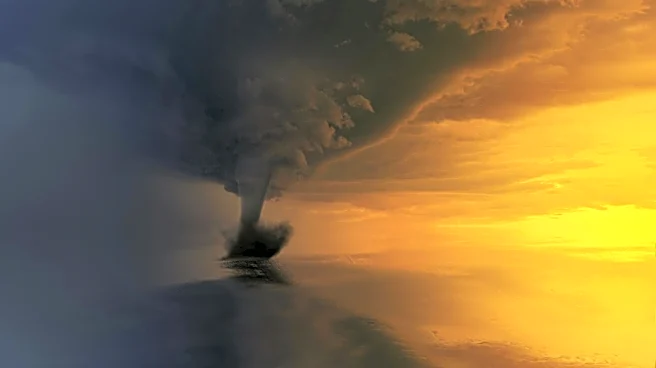
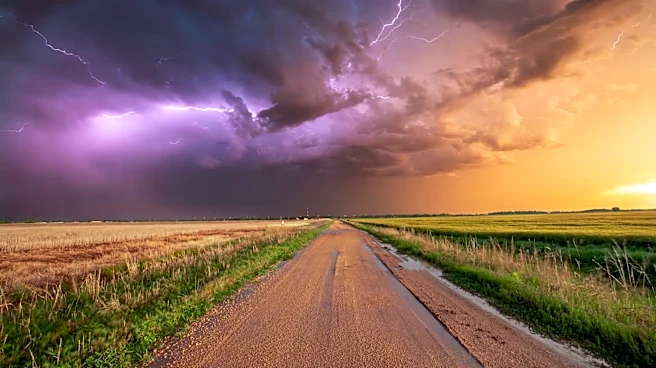
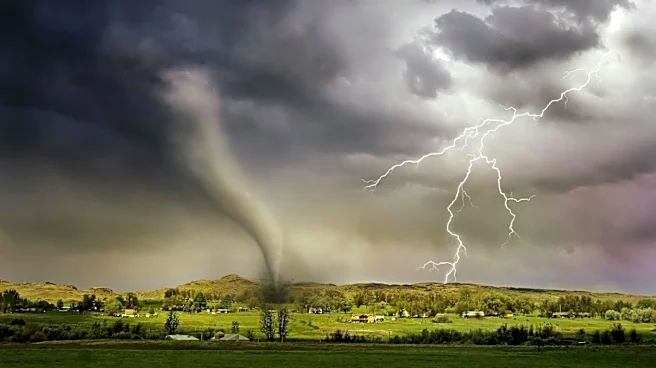
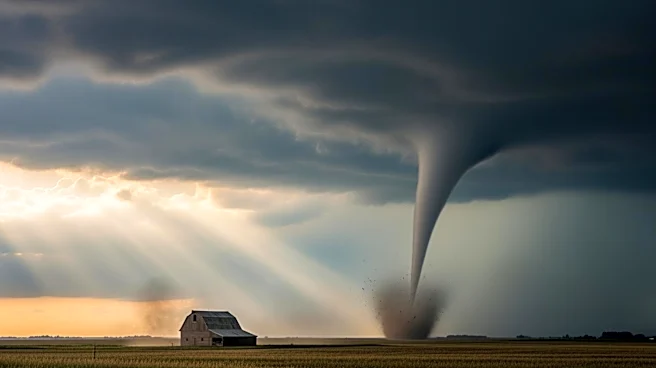
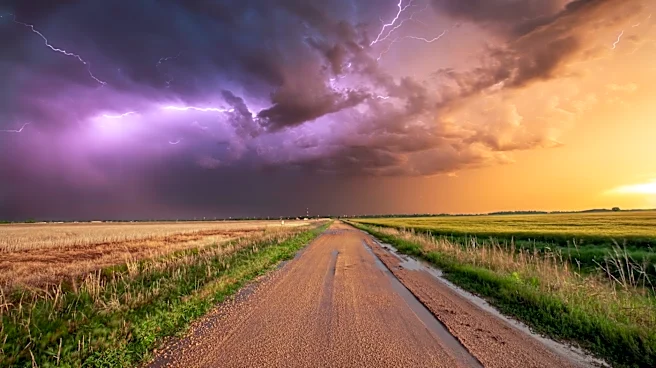
Over the weekend, a series of violent storms produced destructive tornadoes across five states, including Kansas, Nebraska, and Minnesota. In Howard County, Nebraska, a newly built home was completely leveled by a tornado, leaving only the basement intact.
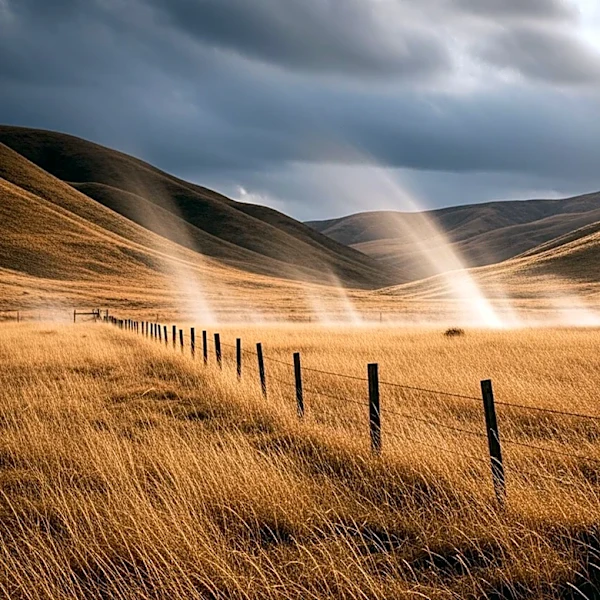
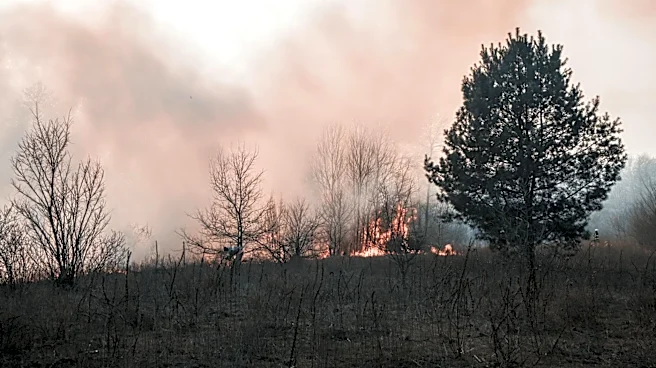
Christina Parden and her daughter Graci Boersen, who had moved into the home just two weeks prior, took shelter in the basement during the storm. The tornado was described by Boersen as the most terrifying experience of her life. In the aftermath, volunteers have been assisting the family in salvaging what remains of their belongings. The severe weather system responsible for these tornadoes is also causing high winds and wildfires across the Great Plains, with the Sharpe Fire in southeastern Colorado burning over 16,000 acres and prompting evacuations.
Why It's Important?
The tornadoes highlight the increasing frequency and intensity of severe weather events in the U.S., raising concerns about climate resilience and emergency preparedness. The destruction of homes and infrastructure poses significant challenges for affected communities, requiring coordinated emergency response and recovery efforts. The ongoing threat of severe weather and wildfires underscores the need for robust disaster management strategies and support systems for impacted families. The situation also emphasizes the importance of community solidarity, as volunteers play a crucial role in aiding recovery efforts.
What's Next?
As the severe weather system continues to move across the nation's midsection, there is a heightened risk of additional storms and wildfires. Emergency services and local authorities are on high alert, preparing for potential evacuations and damage control. The ongoing wildfires in Colorado and Minnesota may lead to further state emergency declarations and resource mobilization. Communities in the affected regions are advised to stay informed and prepared for possible severe weather alerts.