

What's Happening?
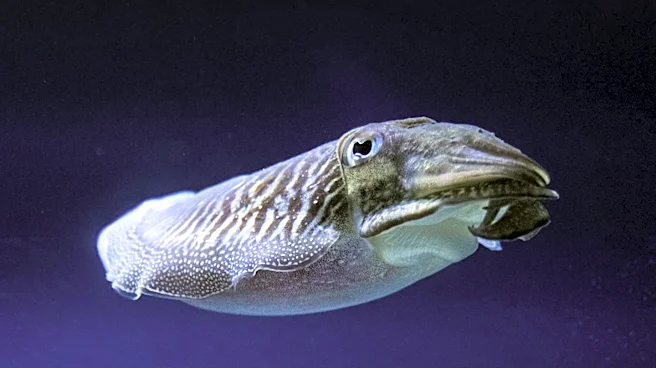
Scientists and divers have raised alarms over a dramatic decline in the population of giant Australian cuttlefish in the upper Spencer Gulf, South Australia. A recent dive survey recorded only 44 individuals, a stark contrast to previous counts of tens
to hundreds of thousands. The decline is attributed to a toxic algal bloom that has affected the marine environment. The South Australian government is urged to release official population estimates, as the cuttlefish are crucial for local biodiversity and tourism.
Why It's Important?
The decline of the giant Australian cuttlefish population has significant ecological and economic implications. As a unique species that gathers in large numbers for breeding, their reduction could disrupt the local marine ecosystem and affect species that rely on them for food. The situation also impacts tourism in the region, as the cuttlefish aggregation is a major attraction. Understanding the causes and addressing the environmental factors contributing to this decline are critical for conservation efforts and maintaining biodiversity.
What's Next?
Researchers are investigating the impact of the algal bloom on cuttlefish numbers and exploring conservation measures to protect the species. The South Australian government is expected to release updated population estimates, which will inform future actions. There may be calls for increased environmental monitoring and potential restrictions on activities that could further harm the cuttlefish habitat. The situation highlights the need for proactive measures to address environmental challenges and protect vulnerable species.