


What's Happening?
The U.S. Centers for Disease Control and Prevention (CDC) has issued a travel alert regarding the risk of dengue fever, also known as 'breakbone fever,' for travelers returning from several countries, including Vietnam, Cuba, and Colombia. The mosquito-borne
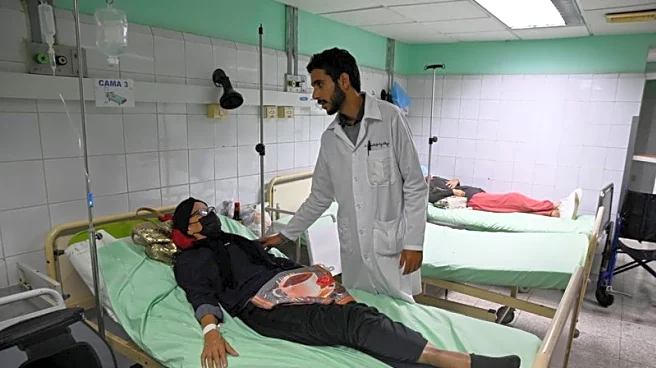
illness can cause severe symptoms such as muscle and joint pain, nausea, rash, and in extreme cases, internal bleeding. The CDC's alert highlights a higher-than-expected number of dengue cases among U.S. travelers returning from these regions. While most cases in the U.S. are contracted abroad, local transmission is noted in American Samoa, Puerto Rico, and the U.S. Virgin Islands. The CDC emphasizes the importance of immediate medical attention for severe cases, which can be life-threatening.
Why It's Important?
The CDC's alert underscores the ongoing global health challenge posed by dengue fever, particularly for travelers. The disease's potential to cause severe health complications necessitates awareness and preventive measures among travelers and healthcare providers. The alert also highlights the interconnectedness of global health, as diseases contracted abroad can impact public health in the U.S. This situation calls for enhanced surveillance and preventive strategies to mitigate the spread of dengue fever, especially in regions with local transmission.
What's Next?
Travelers are advised to take precautions such as using mosquito repellent and wearing protective clothing when visiting affected areas. Healthcare providers in the U.S. may need to prepare for potential cases by staying informed about the symptoms and treatment of dengue fever. The CDC may continue to monitor the situation and update travel advisories as necessary. Public health campaigns could be implemented to raise awareness about the risks and prevention of dengue fever among travelers.