





What's Happening?
A California family, the Yins, has donated over $4.4 million to Governor Gavin Newsom, former Vice President Kamala Harris, and other prominent California politicians. This family, which made its wealth through McDonald's franchises, has alleged past
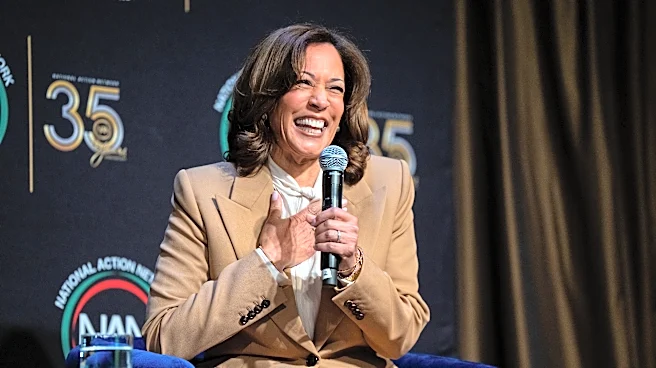
connections to Christine Fang, also known as Fang Fang, a suspected Chinese spy. FBI files declassified in August indicate a previous working relationship between C.C. Yin, the family patriarch, and Fang through an organization he founded, Asian Pacific American Public Affairs (APAPA). Additionally, national security experts have documented alleged interactions between C.C. Yin's brother, Henry Yin, and the United Front, the Chinese government's foreign influence wing. The donations include significant amounts to Newsom's campaigns and inauguration committee, as well as to Lieutenant Governor Eleni Kounalakis and former Vice President Harris.
Why It's Important?
This situation is important as it intensifies the ongoing debate about foreign influence in U.S. politics, particularly concerning alleged Chinese government efforts to infiltrate American institutions. The substantial political donations from a family with alleged ties to a suspected Chinese spy raise questions about the transparency and integrity of political funding. It highlights concerns among national security experts that such donations could be used to shape U.S. policy and potentially 'disincentivize' leaders from addressing Chinese Communist Party interference. While there is no evidence the Yins were co-opted, the connections underscore the vulnerabilities in the U.S. political system to foreign influence operations, potentially impacting public trust in elected officials and the democratic process. The involvement of high-profile politicians like Governor Newsom and former Vice President Harris further amplifies the significance of these allegations.
What's Next?
The revelations are likely to prompt increased scrutiny of political donations and the backgrounds of donors, especially those with international ties. Lawmakers and intelligence agencies may face pressure to review existing regulations on foreign influence and campaign finance to prevent potential interference. The politicians who received donations from the Yin family may need to address these allegations publicly, potentially leading to internal investigations or calls for greater transparency. The ongoing debate over foreign influence could also lead to new legislative proposals aimed at strengthening national security measures and safeguarding U.S. political processes from external manipulation. The FBI's declassified files and the continued work of national security experts suggest that further details or investigations into such connections could emerge.
Beyond the Headlines
Beyond the immediate political and financial implications, this story touches upon the complex and often subtle nature of foreign influence operations. It highlights how seemingly legitimate activities, such as philanthropy and political donations, can become avenues for foreign governments to exert influence. The case also brings to light the challenges of distinguishing between genuine community engagement and potential foreign interference, especially within diaspora communities. The alleged links to Christine Fang, who reportedly had a sexual relationship with a former congressman, underscore the 'honeypot' aspect of some intelligence operations. This situation could lead to a broader re-evaluation of how U.S. officials and institutions vet individuals and organizations with foreign connections, potentially leading to more stringent protocols and increased awareness of the various tactics employed in foreign influence campaigns.