





What's Happening?
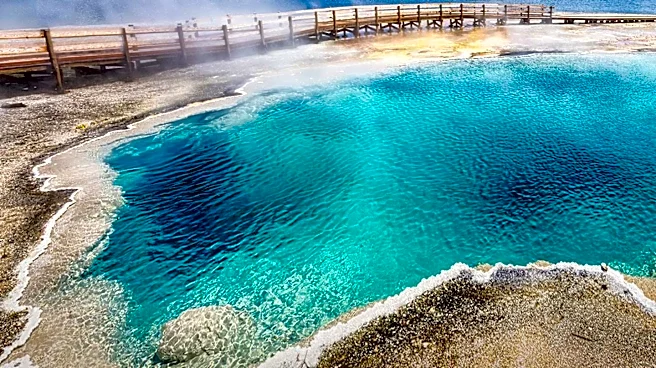
Yellowstone National Park provides a variety of scenic walks suitable for visitors who prefer not to engage in strenuous hiking. Many of the park's major attractions are accessible via boardwalks, paved paths, short overlook walks, or scenic pullouts.
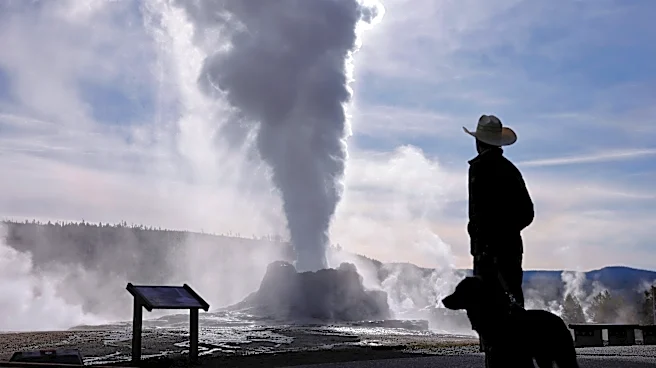
These include iconic locations such as Old Faithful, Grand Prismatic Spring, Mammoth Hot Springs, West Thumb Geyser Basin, Mud Volcano, and the Grand Canyon of the Yellowstone. These routes allow visitors to experience the park's unique thermal features, waterfalls, and wildlife with minimal effort. Examples include the Old Faithful viewing area, the 0.6-mile loop at West Thumb Geyser Basin, and the 1.2-mile round trip to the Grand Prismatic Overlook, which involves a gradual climb.
Why It's Important?
The availability of accessible scenic walks in Yellowstone is crucial for ensuring that a wide range of visitors, including families, older adults, and those with mobility concerns, can experience the park's natural wonders. This inclusivity enhances the park's appeal and allows more people to connect with nature, promoting appreciation for conservation. By offering less strenuous options, Yellowstone caters to a broader tourist demographic, which can positively impact local economies through increased visitation. It also highlights the park's commitment to providing diverse experiences, acknowledging that not all visitors are seeking intense physical challenges but still desire immersive natural encounters.
What's Next?
Yellowstone National Park will likely continue to maintain and potentially expand its network of accessible boardwalks and scenic paths to accommodate growing visitor numbers and diverse needs. Efforts may focus on improving accessibility features, updating interpretive signage, and managing visitor flow to ensure a pleasant experience for all. Park officials will also continue to emphasize safety guidelines, such as staying on marked trails and maintaining distance from wildlife, to protect both visitors and the delicate ecosystem. The success of these accessible walks may encourage other national parks to further develop similar options, promoting broader access to natural landscapes across the U.S.
Beyond the Headlines
The emphasis on scenic walks for non-hikers in Yellowstone reflects a broader trend in national parks to make natural beauty accessible to everyone, regardless of physical ability or hiking experience. This approach democratizes access to wilderness, fostering a more inclusive outdoor culture. It also subtly educates visitors about the importance of respecting fragile ecosystems, as boardwalks and designated paths minimize human impact on thermal areas and other sensitive environments. By providing easy access to awe-inspiring natural phenomena, the park can cultivate a sense of wonder and stewardship in a wider audience, potentially inspiring future generations to support conservation efforts and engage with nature in meaningful ways.