






What's Happening?
Ukraine plans to equip all its border crossing points with shelters by the end of 2026, according to Serhiy Derkach, First Deputy Minister for Recovery, Infrastructure and Transport. This initiative is a direct response to Russian attacks that have damaged
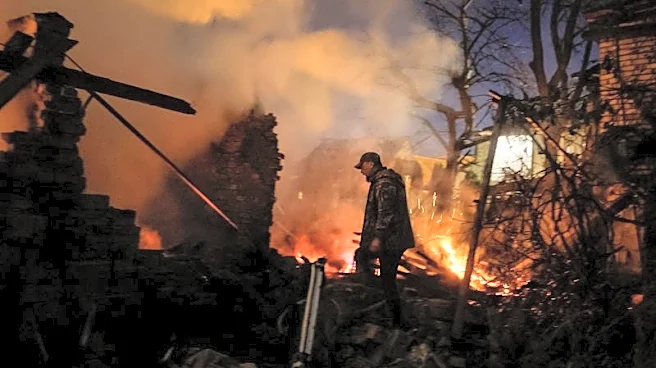
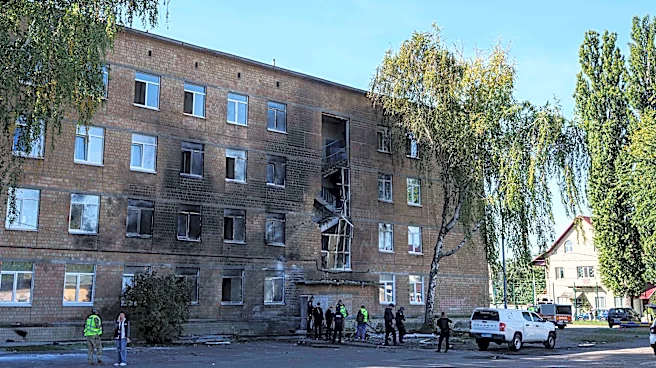
border infrastructure, including four crossings in the Odesa region in 2026, three of which were on the border with Moldova. The European Union is expected to support this effort by funding the purchase of shelters for approximately one-third of the crossings through an international project. The timeline for full implementation largely depends on the production capacity of manufacturers for these protective structures. Ukraine is also requesting assistance from partners to build up a stock of modular buildings and equipment, which would enable rapid restoration of border control processes following any future attacks. Preparations for a joint control agreement with Poland are also underway, though the document has not yet been signed.
Why It's Important?
This plan is critically important for Ukraine's national security and economic stability, as it aims to protect vital border infrastructure and personnel from ongoing Russian aggression. The repeated attacks on border crossings highlight their strategic importance for both military logistics and civilian movement. By installing shelters and maintaining a stock of modular facilities, Ukraine can ensure the continuity of border control operations, which are essential for trade, humanitarian aid, and the movement of people. The EU's financial support underscores the international recognition of this urgent need and the broader commitment to Ukraine's resilience. Furthermore, the initiative to establish joint control agreements with neighboring countries, such as Poland, signifies a strategic effort to enhance border efficiency and security through international cooperation, which is crucial for Ukraine's integration with European systems and its post-conflict recovery.
What's Next?
The implementation of the shelter installation plan will proceed, with the timeline primarily dictated by the production capacity of Ukrainian manufacturers. The European Union's confirmed funding for a portion of the shelters will facilitate procurement. Ukraine will continue to seek support from international partners for modular facilities and equipment to ensure rapid response capabilities for damaged infrastructure. Concurrently, discussions and preparations for joint control agreements with neighboring countries, including Poland, will advance. These agreements, once finalized and approved, will further enhance the resilience and efficiency of Ukraine's border operations. The ongoing efforts reflect a comprehensive strategy to adapt and strengthen border management in the face of persistent threats.
Beyond the Headlines
The initiative to shelter border crossing points goes beyond immediate protection; it represents a strategic adaptation to the realities of modern warfare, where critical infrastructure is a direct target. This proactive measure reflects a shift from reactive repairs to building resilience into essential services. The reliance on modular structures for rapid restoration also highlights an innovative approach to disaster recovery and continuity of operations. Ethically, ensuring the safety of border personnel and civilians passing through these points is paramount. Culturally, the visible presence of protective measures at borders can also serve as a symbol of national resolve and international solidarity. This effort could set a precedent for other nations facing similar threats, demonstrating how strategic infrastructure protection, combined with international support, can mitigate the impact of conflict and maintain essential functions.