





What's Happening?
The Republic of Korea has provided a USD 5 million contribution to the United Nations World Food Programme (WFP) to deliver cash-based assistance to over 100,000 conflict-affected Palestinians in the Gaza Strip and the West Bank. This funding supports
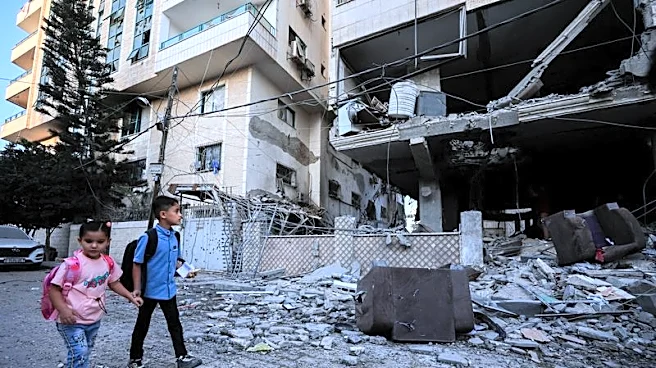
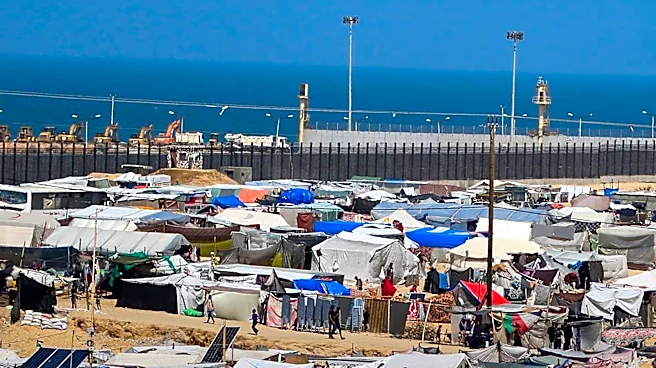
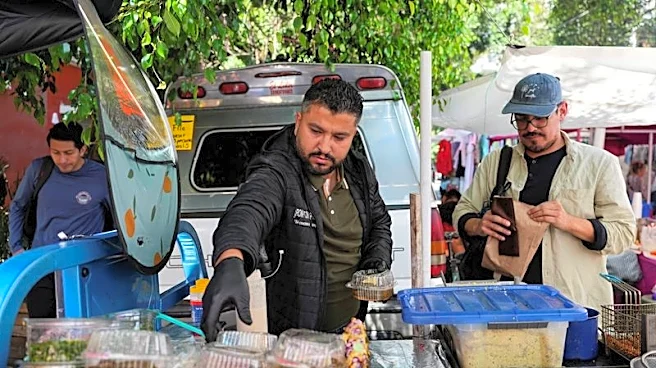
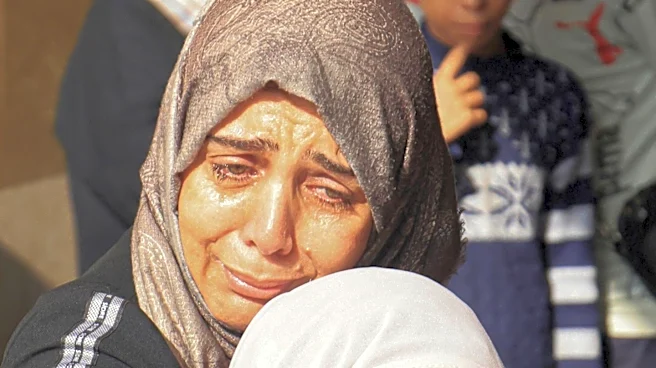
the second phase of WFP’s 'Responding with Emergency Assistance for Conflict-affected Households' (REACH) initiative. Specifically, USD 4 million will fund digital cash assistance via e-wallets for nearly 45,000 people in Gaza, while an additional USD 1 million will support electronic food vouchers for 56,000 people in the West Bank. This initiative aims to provide flexible ways for households to purchase food and other necessities, adapting to local constraints and market disruptions. Hunger remains widespread in Palestine, with two-thirds of Gaza's population acutely food-insecure, and food insecurity in the West Bank having doubled since 2023, affecting 900,000 people.
Why It's Important?
This significant contribution from the Republic of Korea is crucial for addressing the escalating food insecurity and humanitarian crisis in both Gaza and the West Bank. The use of cash and voucher modalities is increasingly recognized as an effective way to empower beneficiaries, allowing them to prioritize their needs and support local economies where markets are still functioning. This approach offers greater flexibility compared to direct food aid, which can be vital in dynamic and constrained environments. The funding also highlights the ongoing need for international support to sustain humanitarian efforts, especially as WFP faces significant funding constraints. By supporting the REACH initiative, the Republic of Korea is contributing to a multi-phase, adaptable assistance program that aims to foster peace, stability, and recovery from conflict through food assistance.
What's Next?
The WFP will proceed with the implementation of the second phase of its REACH initiative, utilizing the Republic of Korea's USD 5 million contribution to distribute digital cash assistance and electronic food vouchers. This will directly benefit over 100,000 Palestinians, providing them with the means to acquire essential food and other necessities. WFP will continue to monitor the evolving needs and market conditions in Gaza and the West Bank to ensure the effectiveness of the cash and voucher programs. The success of this phase may encourage further international funding and partnerships, potentially expanding the reach and impact of such flexible aid modalities. The WFP will also likely continue to advocate for sustained funding to address the persistent food insecurity in the region.
Beyond the Headlines
The shift towards digital cash assistance and electronic food vouchers, as supported by the Republic of Korea's donation, represents a broader evolution in humanitarian aid delivery. This approach moves beyond traditional in-kind donations, recognizing the dignity and agency of beneficiaries by allowing them to make their own purchasing decisions. It also acknowledges the complexities of local markets and supply chains in conflict zones, aiming to strengthen them rather than bypass them. However, the effectiveness of such programs relies heavily on the stability of local markets and access to financial infrastructure, which can be precarious in conflict-affected areas. This initiative also underscores the growing importance of multi-phase, adaptable funding models that allow aid agencies to respond flexibly to changing conditions, fostering greater resilience and self-reliance among affected populations in the long term.