


What's Happening?
Oman and Iran have engaged in deputy foreign minister-level discussions to ensure the smooth transit of vessels through the Strait of Hormuz, a critical chokepoint for global energy shipments. The talks, held at the level of undersecretaries in the foreign ministries
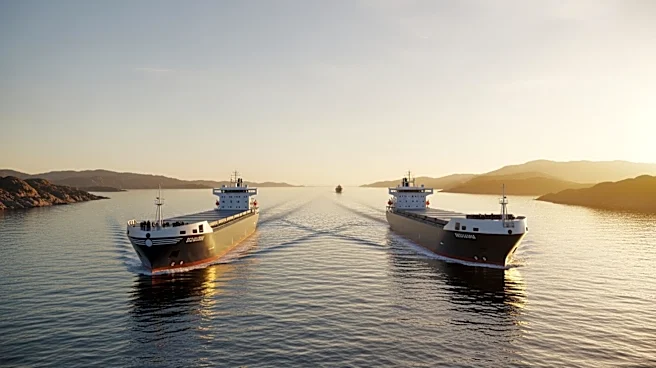
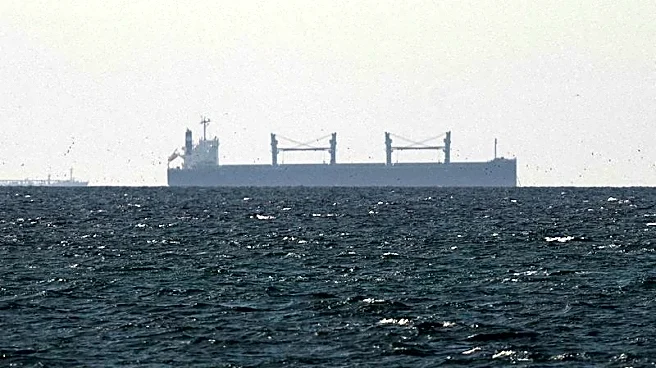
of both countries, focused on options to facilitate vessel movement amid regional tensions. The Omani Foreign Ministry reported that specialists from both sides attended the meeting, where various proposals were presented for study. This development follows Iran's recent restrictions on the strait in response to the ongoing US-Israeli conflict, which has led to significant disruptions in global oil and gas shipments. Currently, about 3,000 vessels are stranded, although some, including those linked to Pakistan, France, and Turkey, have been allowed passage.
Why It's Important?
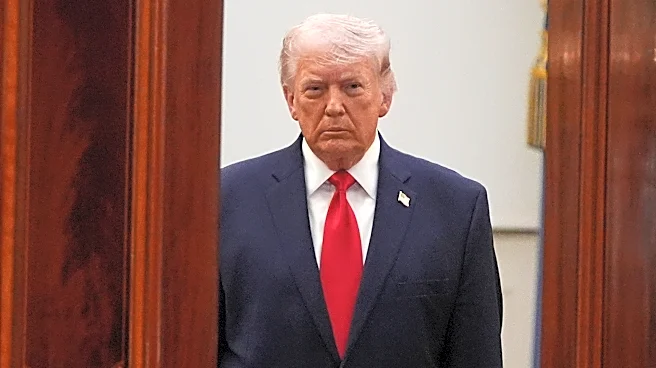
The Strait of Hormuz is a vital waterway for the global energy market, with about a fifth of the world's oil supplies passing through it. Disruptions in this region can lead to significant volatility in global energy prices, affecting economies worldwide. The current blockade has already pushed oil- and gas-importing countries to seek alternative sources, highlighting the strait's strategic importance. The discussions between Oman and Iran are crucial as they aim to mitigate the impact of these disruptions. The situation also underscores the geopolitical tensions in the region, with President Trump threatening severe consequences if the strait is not reopened, indicating the potential for further escalation.
What's Next?
The outcome of the Oman-Iran discussions could lead to a protocol for monitoring traffic in the Strait of Hormuz, potentially easing the current restrictions. However, the path to a diplomatic resolution remains uncertain, with experts suggesting that a negotiated settlement is necessary to prevent further regional instability. The international community, particularly countries reliant on Gulf energy supplies, will be closely monitoring these developments. Any progress in these talks could influence global energy markets and diplomatic relations in the region.
Beyond the Headlines
The situation in the Strait of Hormuz highlights the broader geopolitical dynamics in the Middle East, where energy resources and strategic waterways play a critical role in international relations. The ongoing US-Israeli conflict with Iran adds another layer of complexity, as regional powers navigate their interests amid global scrutiny. The potential for a diplomatic resolution could set a precedent for future conflicts in the region, emphasizing the importance of dialogue and cooperation in addressing shared challenges.