








What's Happening?
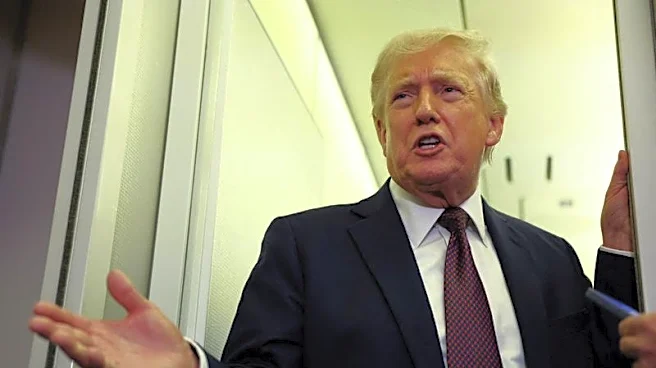
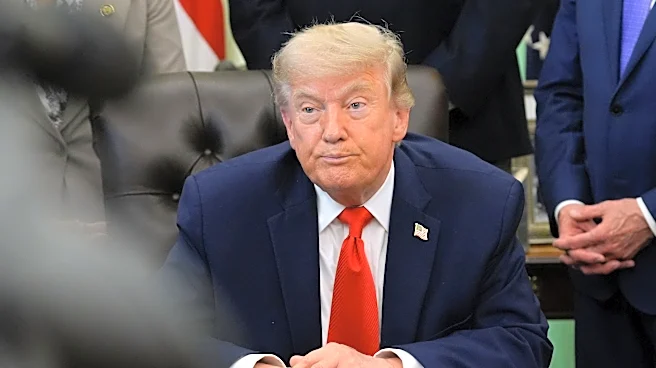
President Trump has once again cancelled planned military strikes on Iran, citing progress in diplomatic negotiations. This decision follows a pattern of threats and subsequent cancellations that have characterized the U.S.-Iran conflict in recent months.
On June 11, 2026, Trump threatened to launch strikes against Iran but reversed the decision hours later, claiming advancements in talks with Tehran. This cycle of escalation and retreat has been a recurring theme, affecting global markets and oil prices. Despite Trump's assertions of nearing a deal, Iranian officials have consistently indicated that significant issues remain unresolved.
Why It's Important?
The repeated threats and cancellations of military action by President Trump have significant implications for international relations and global markets. Each escalation raises the risk of a broader conflict in the Middle East, which could have severe consequences for global stability and energy supplies. The pattern of brinkmanship also affects U.S. credibility and negotiating power, as allies and adversaries alike may question the consistency and reliability of U.S. foreign policy. Additionally, the fluctuating tensions impact oil prices, influencing economic conditions worldwide.
What's Next?
The ongoing negotiations between the U.S. and Iran are likely to continue, with both sides needing to address key issues such as sanctions relief and nuclear program limits. The international community will be closely monitoring these developments, as any breakthrough or setback could have far-reaching consequences. Markets and geopolitical analysts will remain vigilant, anticipating potential shifts in policy or strategy that could alter the current trajectory of the conflict.