


What's Happening?
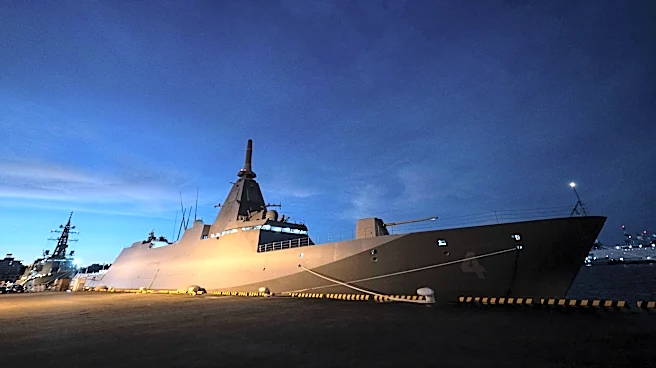
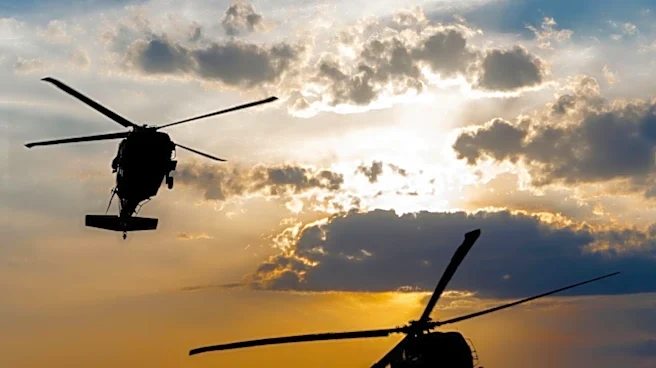
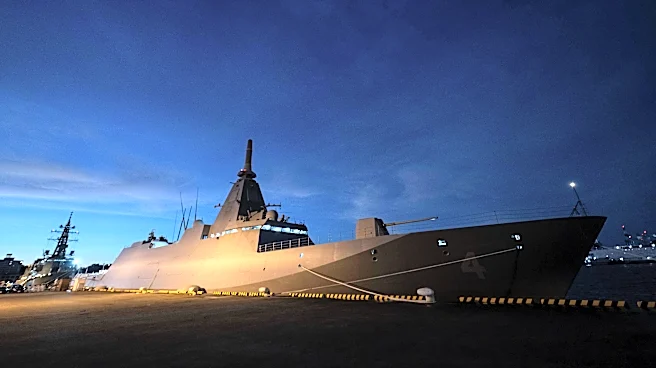
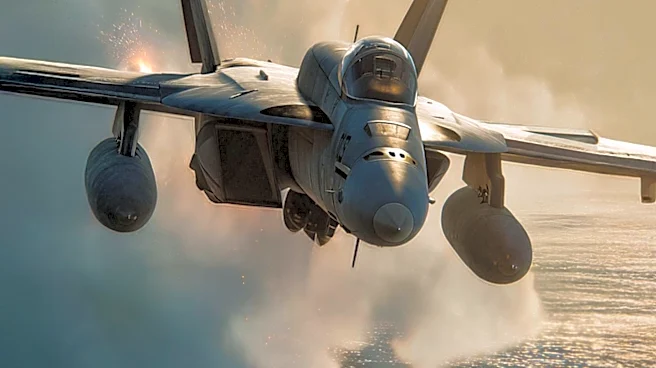
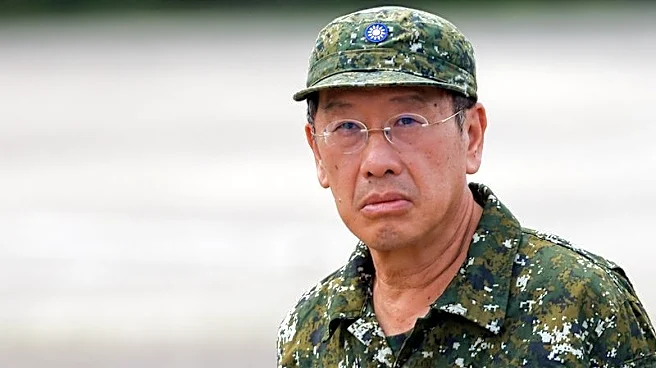
Taiwan has launched its annual Han Kuang military exercises, focusing on testing command flexibility and resilience in the face of potential Chinese aggression. The drills include scenarios such as the deliberate slowing of mobile internet speeds to simulate
communication challenges during conflict. The exercises aim to improve coordination among military units and test the ability to respond to unexpected enemy movements. The drills also involve the mobilization of civilian factories and the simulation of wartime relocation of key assets.
Why It's Important?
The military exercises underscore Taiwan's efforts to enhance its defense capabilities amid growing tensions with China. By focusing on command flexibility and resilience, Taiwan aims to strengthen its ability to respond to potential threats and maintain operational readiness. The drills also highlight the importance of civilian-military coordination in defense strategies. The situation may influence regional security dynamics and prompt discussions on defense policies among Taiwan's allies.
What's Next?
Taiwan is expected to continue its efforts to enhance military readiness and resilience through ongoing training and exercises. The government may seek to strengthen alliances and partnerships to bolster its defense capabilities. The international community will be closely monitoring the situation, with potential implications for regional security and diplomatic relations. Taiwan's response to potential threats may influence defense strategies and policies in the region.
Beyond the Headlines
The focus on command flexibility and resilience raises questions about the role of technology and communication in modern warfare. The exercises also highlight the broader implications of military preparedness and the potential impact on civilian populations. The situation may prompt discussions on the ethical and legal dimensions of defense strategies and the protection of civilian infrastructure during conflict.